
How to Get on an Inmate's Visiting List at a Federal Prison
You can't just show up at a federal prison and visit someone. First, the inmate has to add you to their approved visiting list, and the Bureau of Prisons (BOP) has to clear you.
The BOP allows inmates to request visitors from specific categories: relatives (grandparents, uncles, aunts, in‑laws, cousins), friends and associates, clergy and religious group members, civic group members, former or prospective employers, sponsors, parole advisors, attorneys, and in some cases foreign officials. If you fit one of these categories, you're eligible to be added - but you still need to pass the background check before any visit happens.
Keep in mind: The BOP caps non-relatives at 10 friends or associates per visiting list, so not everyone who wants to visit will make the cut.
The inmate starts the process - not you. You can only visit after they've added you to their list and the BOP has cleared you. So before planning a trip, confirm you've actually been approved. This is especially true when someone first enters federal prison or has just transferred, since the visiting list may still be in progress.
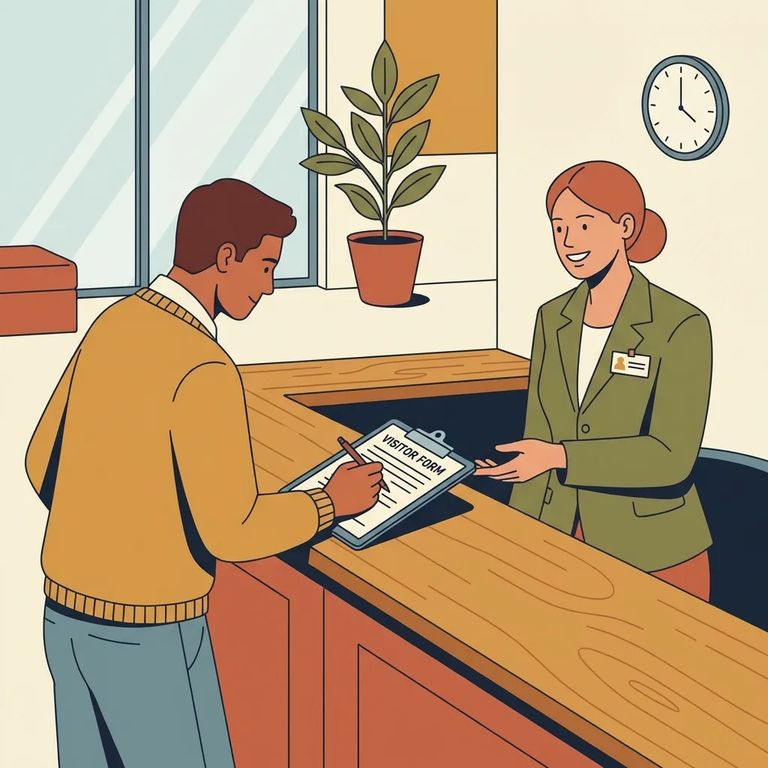
One form you'll likely encounter is BP‑A0629, the Visitor Information form. It notifies you that the institution may contact law enforcement or criminal information agencies to determine whether you're suitable for the visiting list.
BP‑A0629 includes an authorization section where you permit the Warden to access records related to criminal offenses and convictions. This authorization is part of the suitability review.
The BOP's authority to request this background information comes from Title 18 U.S.C. § 4042, which BP‑A0629 cites directly.
Once your information is submitted, the institution runs a suitability check. Officials may contact law enforcement or criminal information agencies to see if adding you to the list would create management problems or other issues. The results determine whether you're approved.
Heads up: If you don't provide the requested information - or refuse to authorize its release - your visitor request can stall indefinitely.

Timing Next Steps
- ✓ Call the institution ahead of time to make sure your visit will be permitted.
- ✓ Confirm with the inmate that you’ve been placed on their approved visiting list and cleared before you make the trip.
- ✓ If the inmate recently arrived at a new prison or transferred, expect possible delays while the visiting list is being created or updated - and verify status before you attempt to visit.
If things seem stuck, call the institution directly. Keep it simple: ask whether you've been approved to visit. This is especially useful after a recent transfer, when the visiting list may not be fully set up yet.
Buscar a un recluso en FCI Terre Haute, IN
Busca a un ser querido y envía mensajes y fotos en minutos.