
How California inmates become wildfire firefighters: selection, training, and what they do (includes base camp roles)
If your loved one is in California custody and you've heard they're connected to wildfire response, you probably have two questions: how do people get picked for this work, and what do they actually do? Here's a plain-language breakdown of selection, expectations, and the less-visible base camp jobs families often don't hear about.
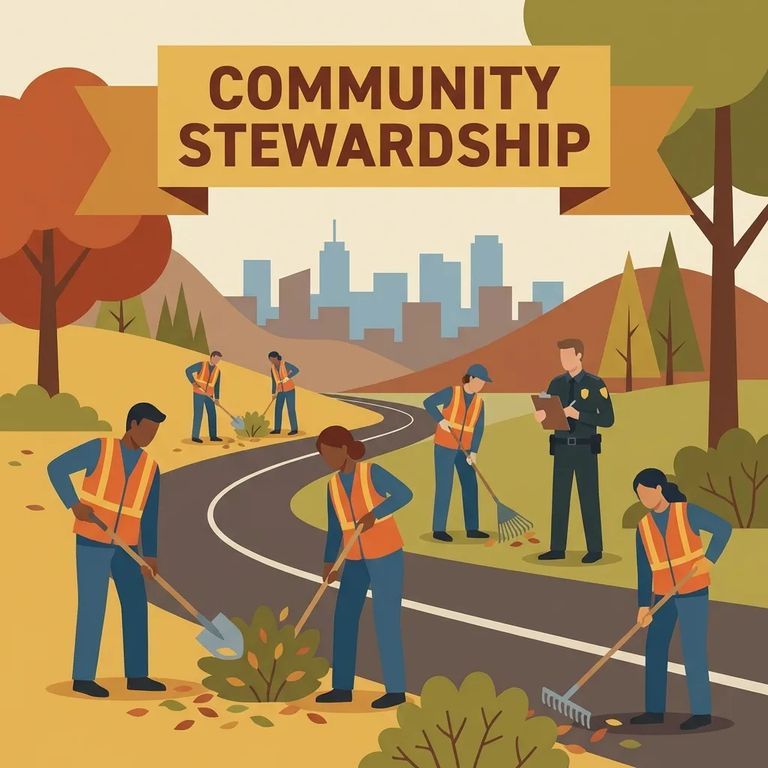
California utiliza cuadrillas de personas encarceladas como parte de su esfuerzo de respuesta a incendios forestales y emergencias, a menudo a través de campamentos de conservación contra incendios y asignaciones relacionadas. Algunas personas trabajan en los frentes de incendio realizando trabajo de campo físicamente exigente. Otras apoyan la intervención desde detrás de escena en el campamento base. Los detalles varían según el programa y el incidente, por lo que conocer las grandes categorías de roles ayuda antes de empezar a hacer preguntas.
Al menos en Camp Ishi, la colocación se ha descrito como "seleccionada a mano". La cobertura de KCRA indica que cada recluso asignado a Camp Ishi es seleccionado a mano para el programa, y la dirección del campamento lo describe como un privilegio para el que no todos cumplen los requisitos. Ese lenguaje de "seleccionada a mano" importa porque señala que la colocación en el campamento no es automática, aunque alguien la desee. Las prácticas de selección también pueden diferir entre campamentos, por lo que lo que oiga sobre una ubicación puede no coincidir con otra.
Tip: Don't assume a fire-camp assignment works like a standard job posting. If you're trying to understand how your loved one could be chosen, ask the facility whether camp placement is application-based, eligibility-list based, or done through a selection process like "hand selection."
La cobertura de KCRA sobre Camp Ishi establece una expectativa clara sobre lo que deberían ser capaces de hacer las cuadrillas: se espera que las cuadrillas de reclusos hagan todo lo que hace un bombero de Cal Fire. El nivel se describe como muy alto, y el trabajo puede ser físicamente exigente. Dicho esto, la cobertura no detalla un currículo de formación completo, las horas de entrenamiento ni certificaciones específicas. Si desea saber exactamente en qué ha sido capacitado su ser querido, o cómo se evalúa la preparación antes del despliegue, por lo general deberá confirmarlo a través de los canales oficiales vinculados al programa.
Note: "Expected to do everything a Cal Fire firefighter does" describes the duty expectation reported by KCRA, not a published training checklist. For specifics, ask CDCR or CAL FIRE what training and qualifications apply to your loved one's assignment.
No todos los trabajos relacionados con incendios forestales están en la ladera. También se ha informado que las cuadrillas de reclusos trabajan detrás de escena para ayudar a llevar a cabo las operaciones del campamento base. Un ejemplo concreto: apoyo para la Mobile Kitchen Unit, el tipo de operación que mantiene alimentadas a grandes cuadrillas durante un incidente. Si su ser querido dice que está "en el campamento base", ayuda entender que el campamento base es el centro logístico de todo el incidente. Las personas asignadas allí pueden seguir trabajando turnos largos y físicos, pero las tareas se ven muy diferentes de cortar línea o trabajar cerca de llamas activas.
- ✓ Mobile Kitchen Unit support (reported as part of base camp operations), cooking meals for crews
- ✓ Base camp support work that keeps an incident running, duties can vary by assignment and by fire
- ✓ Fireline-style tasks may still be part of what some crews are expected to handle, depending on their role and where they are sent
Scale check: Reporting describes the Mobile Kitchen Unit cooking up to 4,000 meals for crews at base camp. That gives you a sense of how large and nonstop the "behind the scenes" work can be during a major incident.
Numbers get thrown around a lot during fire season, so it helps to separate "people" counts from "camps" counts. In one reported example, CDCR stated there are about 1,800 inmates working with local, state, and federal agencies to respond to emergencies like the Rabbit Fire.
A different number you may see refers to camps, not total staffing. KCRA identifies Camp Ishi as one of 30 labor camps in the state. That doesn't mean 30 people are involved. It's the number of camps, which is a completely different way of counting the program.
Verify current numbers: Totals shift over time and during active incidents. If you need the most current count or an accurate picture of who is deployed where, confirm through CDCR or CAL FIRE information channels tied to the incident.

- Start with the facility, not rumors - Ask whether your loved one is assigned to a fire camp, a fire crew, or a base-camp support role, and whether they are currently deployed.
- Get the assignment terms in plain language - Ask what the assignment is called and what it generally involves (for example, field work versus base camp support).
- Ask what changes for communication - Find out whether phone access, mail processing, or scheduled calls change during deployment or training periods.
- Request the best way to receive updates - Ask who families should contact for status checks and how often the facility recommends checking in.
- Write down names and dates - Keep a simple log of who you spoke with, when, and what they told you. It helps when information changes quickly during fire activity.
- Confirm before sharing publicly - If you hear something through friends or social media, verify it with the facility or official incident information before you repeat it to other family members.
Safety note: Social media can move faster than accurate information during an active fire. For anything that affects your loved one’s status, rely on official channels for confirmation.
If your loved one is deployed, expect routine to change. Schedules shift quickly during an incident, and that can affect when they can call, when mail is processed, and how specific staff can be about timelines. Prepare yourself for uncertainty around duration, too. Wildfire assignments can be extended, shortened, or redirected depending on conditions on the ground. If you need clarity, your best move is to ask the facility what they can share about expected timeframes and what triggers a return.
Ask directly: Find out what the facility's process is for notifying family in an emergency, and who to contact if you're worried about health or safety while your loved one is assigned to fire work.
Buscar a un recluso en Trinity River Conservation Camp
Busca a un ser querido y envía mensajes y fotos en minutos.