
Halfway Houses, Transitional Housing, and Residential Re-Entry Programs: What Families Should Know
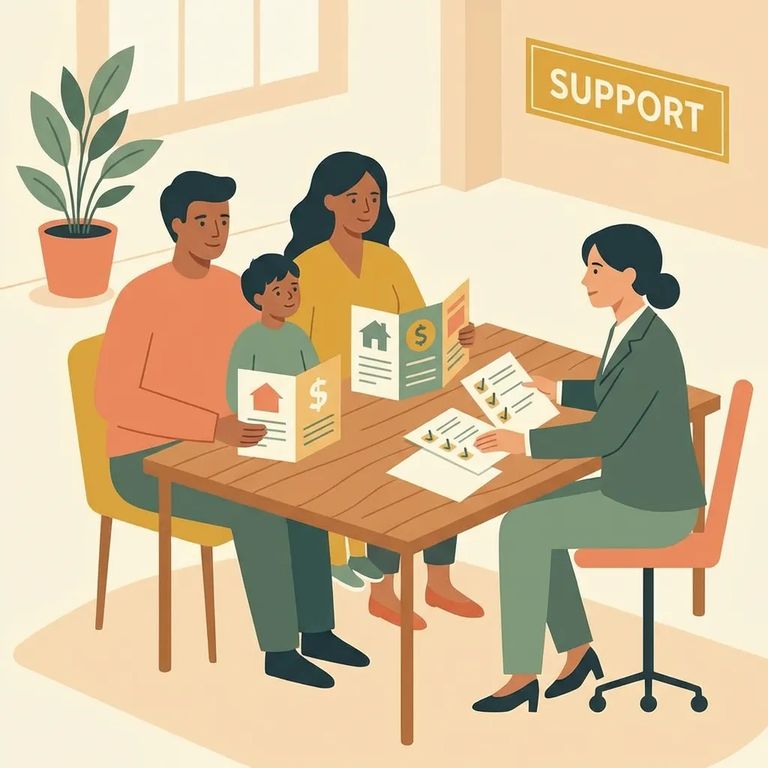
Release planning moves fast, and the housing options can blur together even when they're quite different. This guide breaks down the common types of residential re-entry programs you'll find in Alabama listings - what the labels actually mean, who they're designed for, how to narrow your search, and what to confirm directly with a program before anyone commits to a plan.
“Residential re-entry program” is an umbrella term for structured housing meant to support someone as they transition back into the community. In listings, you’ll often see programs grouped under this broader category and then sorted by program type and location. That’s useful for getting oriented quickly, but the label alone won’t tell you every rule or service - think of it as a starting point for comparing options and then making a few focused calls.
The two most common program types are transitional living programs and halfway houses. Both fall under the residential re-entry umbrella, but they can differ in structure, expectations, and who they serve. You'll also see gender-specific programs - options for women only or men only - which helps you quickly rule listings in or out.
Program categories hint at who a setting is built for. Some focus on re-entry after incarceration. Others look more like transitional housing for people stepping down from a structured environment while they stabilize work, transportation, and daily routines. Gender-specific designations matter too - if a program is for men or women, that typically determines who can apply. Use these categories to sort your options, not as a guarantee of what any single program offers. Two places with the same label can still have very different eligibility rules, supervision levels, and day-to-day expectations.
Note: Listing categories can point you in the right direction, but they don’t guarantee specific services or acceptance. Always confirm the details with the program directly.
- Pick the program type first - Start by filtering for “transitional living” or “halfway house” so you’re comparing like with like.
- Apply gender filters if they’re available - If a program is listed as gender-specific, use that to narrow the results early.
- Tighten the location - Use city, ZIP code, or nearby areas to focus on places that are realistic for transportation, work, and family support.
- Combine filters to get a short list - Program type + gender designation + location usually gets you to a manageable set of options you can actually call and compare.
- ✓ Program type (transitional living vs. halfway house)
- ✓ Gender designation (if listed)
- ✓ City or ZIP code (or nearest workable area)

Once you've got a short list, call the programs directly. Listings help you identify program type and location, but they can't tell you whether your loved one qualifies right now, what paperwork is needed, or when a bed might open up. Focus on the details that can make or break a release plan: eligibility requirements, gender-related rules, expected length of stay, and how intake works. Clear answers now save you from last-minute surprises when timing is tight.
- ✓ Who is eligible to apply (and any disqualifiers)
- ✓ Whether the program is gender-specific and how that’s enforced
- ✓ Expected length of stay and what could extend or shorten it
- ✓ Rules residents must follow (curfews, visitors, required activities)
- ✓ What services are offered on-site or required off-site (ask for specifics)
- ✓ Intake process (steps, timeline, required documents)
- ✓ Best contact method and the exact location details for arrival/check-in
Tip: Write down who you spoke with, the date, and any intake instructions. Use listings to get started, but rely on the program’s confirmation before you make plans.
You don’t have to figure this out all at once. Use program-type and location filters to build a short list, then verify the details directly with each program before your family makes decisions around release timing, transportation, or housing. If you need more support, local re-entry and community support services can also help you think through realistic options and next steps.
Find an Inmate at Alabama Therapeutic Education Facility, AL
Search for a loved one and send messages and photos in minutes.