
The Grievance Process: What Families Should Know About Privacy and Timelines
If your loved one is incarcerated in North Carolina—including at Albemarle Corrections Facility—the grievance process can feel frustrating from the outside. Two things shape almost everything you'll experience as a family member: grievance privacy rules and the built-in timelines for Step 1, Step 2, and Step 3 review.
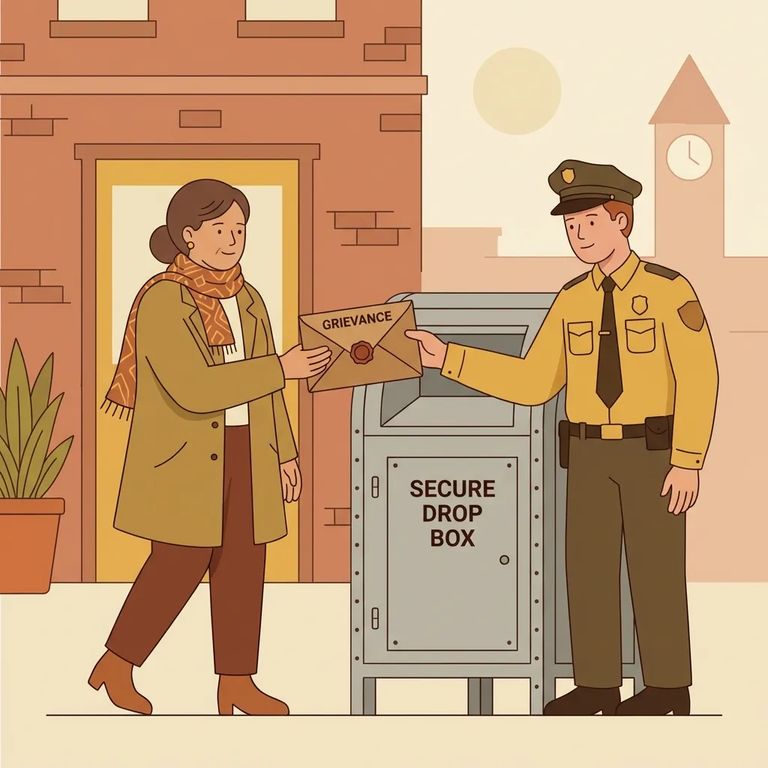
In North Carolina, grievance information is protected by law. All information relating to a grievance is confidential and not considered public information. That confidentiality applies to the whole grievance - what it says, what documents are attached, and what decisions are made - so you should expect tight limits on what anyone can share outside the process.
This isn't just a policy preference. NCDAC and the Inmate Grievance Resolution Board (IGRB) are legally prohibited from sharing specific grievance information. That includes whether someone filed a grievance, the circumstances behind it, the results, and the Board's records. If you call or write hoping to confirm a grievance exists - or to get an update - you'll usually hit a hard stop, even when your concern is serious and time-sensitive.

The clock matters. With some exceptions, grievances must be filed within 90 days of an incident. If your loved one is considering a grievance, encourage them to act quickly. Waiting too long can close the door before the process even starts.
- Get the grievance accepted - Step 1 starts once the grievance is accepted for review.
- Have designated staff review and investigate - If accepted, the grievance is assigned to a designated staff member who reviews it and investigates the facts.
- Receive a written response within 15 days - The designated staff member must file a written response with supporting documentation within 15 days.
- Appeal to Step 2 - Step 2 happens only if the person who filed the grievance appeals the Step 1 response.
- Facility leadership reviews Step 1 findings - The facility head or a designee reviews what was found at Step 1.
- Get a written response within 20 days - Within 20 days of the Step 2 appeal, the facility head or designee provides a written response to the aggrieved party.
- Appeal to Step 3 - If the aggrieved party appeals to Step 3, the facility electronically transmits the appeal to the IGRB.
- Get an examiner assigned - Once received, the appeal is assigned to a grievance examiner for review and consideration.
- Allow for investigation or mediation, then an order - The examiner may conduct an independent investigation limited to the specific issues raised, may attempt to resolve the grievance through mediation with the parties, and after review issues an order.
Each facility is required to appoint a facility screening officer. That person receives, processes, and screens grievances. This is part of why families can't file on someone else's behalf from the outside - the process begins and moves forward through the facility's internal grievance handling.
Here's the bottom line for families: you usually won't be able to get grievance specifics directly from NCDAC or the IGRB. Because grievance information is confidential under North Carolina law, your best source of updates is often your loved one - or, when appropriate, their legal representative. If you're trying to track timelines, ask your loved one to keep copies of responses and note the dates they receive them. Those written responses are the clearest markers of where the grievance stands.
Find an Inmate at Albemarle Corrections Facility, Nc
Search for a loved one and send messages and photos in minutes.