
Getting Your Child's Medication and Health Care at Bay Regional: What Parents Need to Know
If your child takes prescription medication or has ongoing health needs, some prep work now can prevent delays once they arrive at Bay Regional. Here's what you need to know about the consent form DJJ uses, how to bring medications so they'll actually be accepted, the rules around forced medication, and who covers medical costs while your child is in custody.
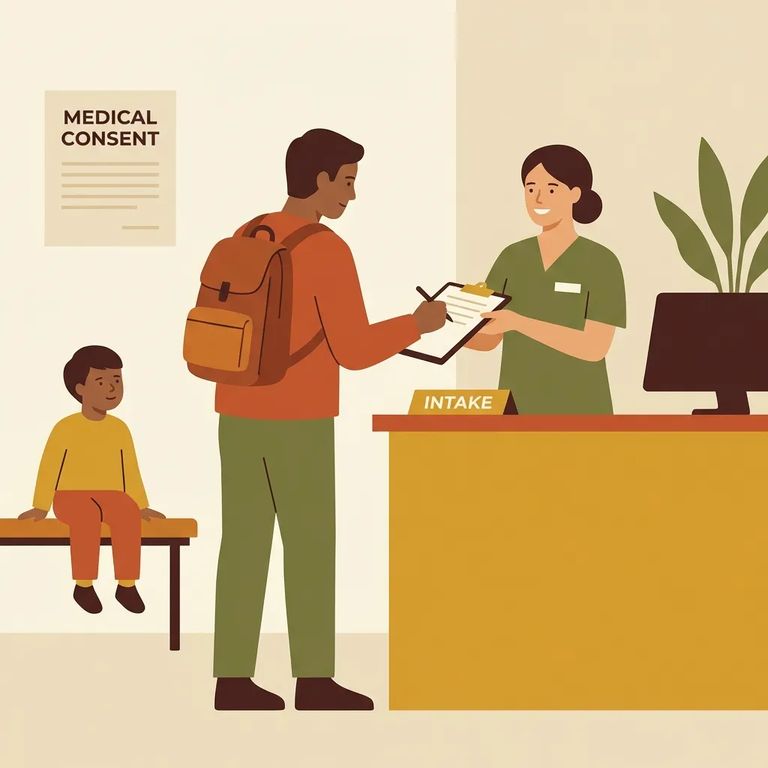
If your child takes prescription medication or has ongoing health needs, some prep work now can prevent delays once they arrive at Bay Regional. Here's what you need to know: how to bring medications so they'll actually be accepted, what the DJJ Authority for Evaluation and Treatment (AET) covers, the rules around involuntary medication, and how payment works for medical care and prescriptions during detention. There's also a practical checklist at the end to use before you head in.
The DJJ Authority for Evaluation and Treatment (AET) is the main consent form for routine care. Once you sign it as the parent or legal guardian, the facility can continue your child's current medications, complete routine physical exams, and provide necessary medical and mental health treatment. If the medical team later needs to start a new prescription, make a significant dosage change, order a new treatment, or give a new vaccination, they'll send written notification requiring your consent. Sign the AET as early as possible - it prevents avoidable delays in continuing your child's care.
Med Container
- ✓ Bring only medication that is a current prescription
- ✓ Make sure it comes from a licensed pharmacy
- ✓ Confirm the pharmacy label has your child’s name
- ✓ Keep it intact in the original medication container (don’t transfer pills to baggies or organizers)
Forced medication isn’t allowed: DJJ policy does not permit the forced (involuntary) administration of medication under any circumstances.
Payment depends on your child's coverage. If your child has private insurance, that insurer gets billed for medications. No private insurance? The facility or program covers the cost.
Medicaid works differently while a youth is in custody. Federal regulations don't allow Medicaid payments for services to youth in DJJ detention or residential facilities. Even if Medicaid eligibility changes during this time, you won't be responsible for medical costs while your child is in secure detention or residential commitment.
Practical Checklist
- ✓ Bring all prescription medication intact in the original pharmacy-labeled container with your child’s name on it
- ✓ Have the DJJ Authority for Evaluation and Treatment (AET) signed by a parent/legal guardian so the facility can continue existing meds and provide routine/necessary care
- ✓ Bring your child’s private insurance information (card or policy details) so the insurer can be billed when coverage is available
- ✓ If you’re unsure about anything (medication packaging, paperwork, or what to expect next), contact your child’s Juvenile Probation Officer or the facility for direction before you arrive
Reminder: Forced (involuntary) medication is not permitted under any circumstances in a DJJ facility.
Find an Inmate at Bay Correctional Facility
Search for a loved one and send messages and photos in minutes.