
Who to Call About Your Child at Dade C.I.: JPO vs. On‑Duty Supervisor
Call the right person first and you'll get answers faster — no bouncing between offices. At Dade C.I., it's simple: case questions go to your child's JPO; facility or visit issues go to the on-duty JJDO Supervisor.
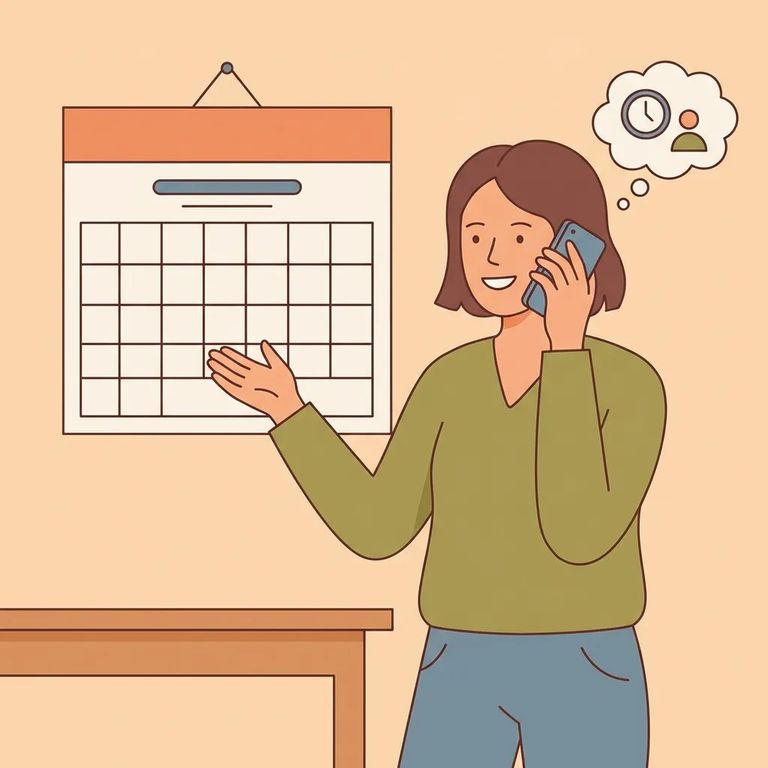
Need information about your child? Start with the Juvenile Probation Officer (JPO). Every youth referred to DJJ gets an assigned JPO who serves as your main point of contact throughout the case. Questions about court proceedings, charges, or supervision terms belong here - going straight to the JPO saves you from chasing the wrong department.
Quick rule: If your question isn’t about the case itself (for example, a visit problem or something happening on-site), ask for the on-duty JJDO Supervisor.
For anything tied to your child's legal situation - case status, charges, court dates, supervision requirements - contact the assigned JPO. They're set up to be your consistent contact as the case moves forward, so you won't start from scratch every time you need an update. Don't have the JPO's direct number? Check the paperwork from your child's case, or call the JPO's office to confirm you're connected to the right officer.
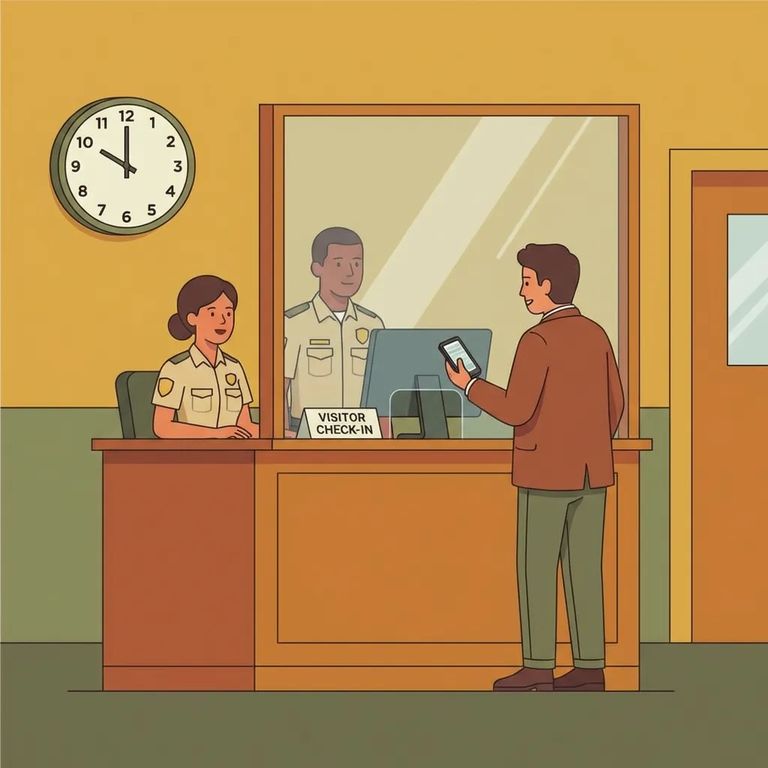
Questions about the facility itself - visit logistics, daily operations, or concerns about something that happened on-site - go to the on-duty JJDO Supervisor. This is your contact when the issue isn't about the court case, but about what's happening at the facility or during a visit.
- Sign in and sign out on the Visitor’s Log - you’ll be required to sign in and sign out on the youth’s Visitor’s Log for the visit.
- Expect an electronic search and follow directions - all visitors are subject to electronic search, and you can be denied entry if you refuse to be searched or don’t comply with officer instructions.
- Leave personal items out of the secure area - don’t bring items like keys, purses, or packages into the secure area.
- Treat “unauthorized items” as a serious legal risk - introducing any unauthorized items into a detention facility is a third-degree felony.
Attorneys, probation officers, law enforcement, clergy, and other professionals sometimes need to visit outside regular hours. They still follow the facility's requirements - signing in, contraband rules, the works. Don't assume "professional visit" means skipping normal entry procedures.
Can't reach the JPO and have an urgent concern about something happening at the facility - especially anything safety-related? Contact the on-duty JJDO Supervisor. For non-urgent case questions, keep notes on your outreach attempts: what you tried, when, and who you spoke with. It helps the next person understand the timeline quickly.
- ✓ Write down the date/time and method each time you tried to reach the JPO.
- ✓ When you call about a facility issue, ask for the on-duty JJDO Supervisor and note the supervisor’s name and the time of the call.
- ✓ If you go in person, sign in and sign out on the youth’s Visitor’s Log.
- ✓ Be ready for an electronic search and follow officer instructions so you aren’t denied entry.
- ✓ Remove personal items (keys, purses, packages, etc.) before entering the secure area.
Find an Inmate at Bay Correctional Facility
Search for a loved one and send messages and photos in minutes.