
What Happens During a Legal Videoconference at Bayside State Prison: Privacy, Procedures, and Your Rights
Legal videoconferences can feel high-stakes—especially when you're trying to protect private attorney-client conversations. Here's what NJDOC's published videoconferencing procedures say about how calls are set up, what privacy protections exist, and what to do if something goes wrong.
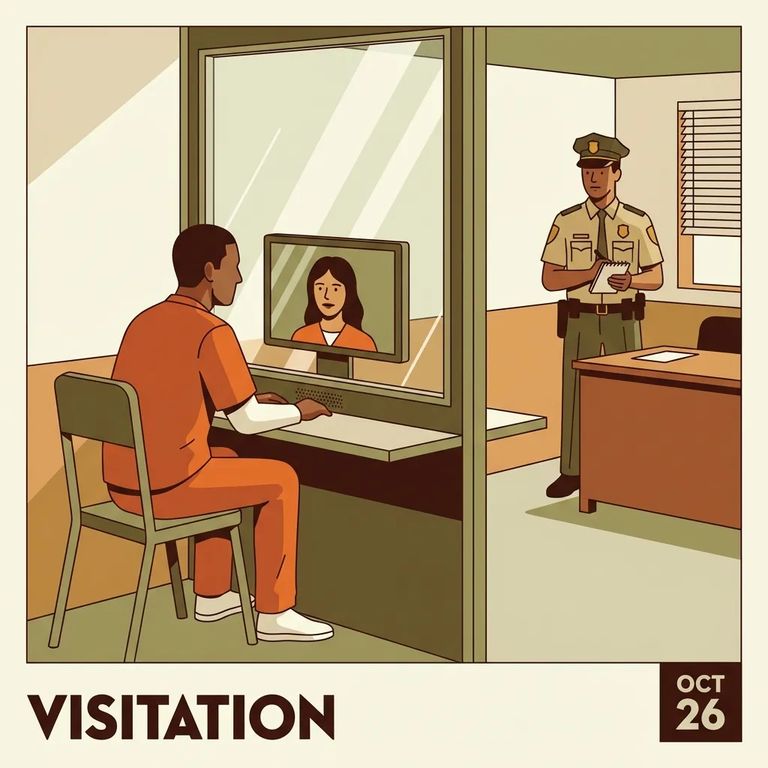
Before a scheduled videoconference, the facility should make sure the inmate understands how the process works. This familiarization might happen through in-person counseling - with a social worker or another NJDOC representative - or through a videotaped presentation. For state-sentenced inmates, consent and confidentiality get addressed up front. The post officer (or a designee) must confirm the inmate has been told the videoconference is confidential. The inmate then signs an Inmate Consent Form before the call begins.
Required for state-sentenced inmates: The inmate must be advised the videoconference is confidential and must sign an Inmate Consent Form before the videoconference.
During the videoconference, NJDOC procedures say the inmate should be alone in a specially constructed booth or room. This setup exists specifically to protect privacy during legal conversations. On the operations side, the post officer must have the correct inmate in the waiting area at least 10 minutes before the scheduled start. The officer also confirms the videoconferencing system and facsimile machine are on and ready - no last-minute scrambling.
The physical space itself is designed to protect what's said. NJDOC procedures require the booth or room to be sound-dampened enough that normal conversation can't be heard outside, and outside noise won't bleed in. In plain terms: the room should keep your conversation private and easy to hear.
Need to send paperwork during the call? The NJDOC VTC request form includes a spot to indicate whether you'll be faxing documents on the day of the conference (FAX Yes/No). This matters because the post officer is responsible for having the facsimile machine on and ready before the session starts.
Confidentiality is built into the process in a few ways. State-sentenced inmates must be told the videoconference is confidential and sign an Inmate Consent Form. The call itself happens in a sound-dampened booth or room where normal conversation can't be heard outside. If you believe confidentiality was breached during a videoconference involving a state-sentenced inmate, there's a clear next step: report it to the NJDOC Videoconferencing Coordinator within 48 hours. The breach will be investigated and addressed through appropriate correctional action.
Time-sensitive: Any confidentiality breach involving a state-sentenced inmate must be reported to the NJDOC Videoconferencing Coordinator within 48 hours for investigation and corrective action.

Practical Tips
- ✓ On the VTC request form, mark whether you’ll fax documents to the inmate on the day of the videoconference (FAX Yes/No).
- ✓ Plan your requested time within the listed operational window: 8:00 AM to 4:00 PM, Monday through Friday.
- ✓ Fax the videoconferencing request to the facility’s videoconferencing coordinator (or designee) at least 48 hours (2 or more business days) before the requested conference.
- ✓ Don’t request a conference that would end after 4:00 PM; NJDOC procedures say it won’t be scheduled to terminate later than 4:00 PM.
- Send the request by fax early - NJDOC procedures require videoconferencing requests to be faxed to the facility’s videoconferencing coordinator (or designee) at least 48 hours (2+ business days) ahead of the conference.
- Build your schedule around the facility’s setup window - the post officer is responsible for having the correct inmate in the waiting area at least 10 minutes before the start time and ensuring the videoconferencing system and facsimile machine are on and ready.
Find an Inmate at Bayside State Prison
Search for a loved one and send messages and photos in minutes.