
Where Roanoke River Correctional's Food Comes From: Farm, Crops, and Cannery
Roanoke River Correctional Institution isn't just a prison — it's a working state farm with on-site food production and processing. Ever wondered where some of the meals and ingredients come from? The answer starts in the fields and ends at the facility's cannery.
Roanoke River Correctional Institution sits on approximately 7,500 acres in Halifax County. About 5,500 of those acres are actively farmed - this is a full-scale agricultural operation, not a small garden. Correction Enterprises manages the farm, which includes poultry-laying operations alongside row crops and vegetables. That variety explains how the facility produces both raw farm outputs and ingredients ready for institutional kitchens. Understanding the farm-first nature of this facility helps everything else click into place. Crops grown here connect directly to the prison's cannery, where farm production becomes food that ends up in prison kitchens across the state.
The farm plants corn, wheat, and soybeans - the kind of large-scale row crops you'd expect on thousands of acres. Beyond those staples, offenders farm 300 acres devoted specifically to vegetables and fruit. This matters for families because it's a direct, on-site source of produce tied to work assignments at the facility.
- ✓ Sweet corn
- ✓ Collard greens
- ✓ Sweet potatoes
- ✓ Squash
- ✓ Cucumbers
- ✓ Melons
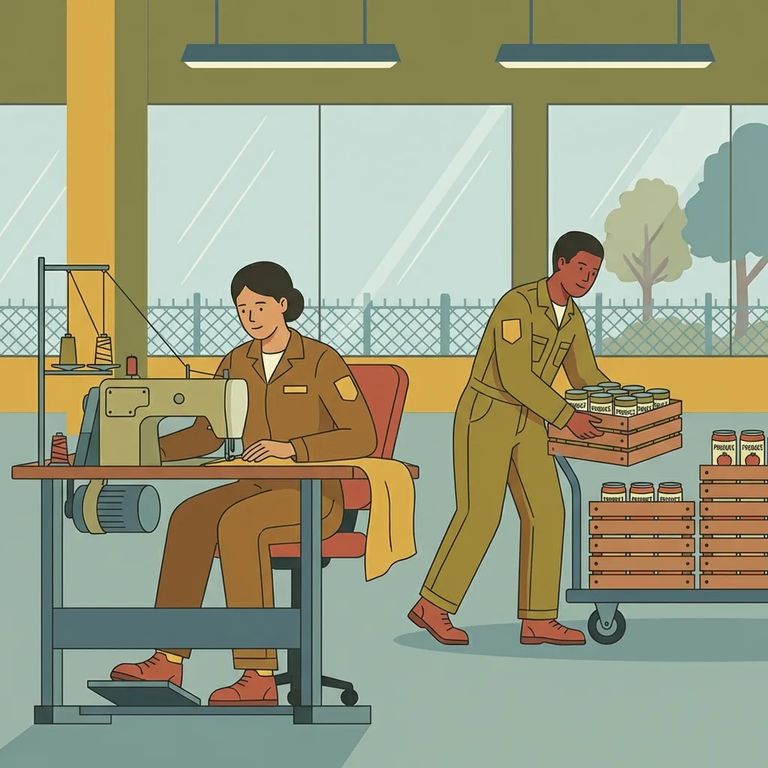
Roanoke River operates a cannery on-site - a key link between farm production and usable food. Offenders work in the cannery processing and canning crops grown on the farm, and those canned goods ship to prison kitchens across the state. The numbers give you a sense of scale: the cannery covers 12,770 square feet and can process about 500,000 gallons of commodities per year. That capacity means it's not just feeding one facility - it's built for large-volume distribution.
Want to know what "working at Roanoke River" can look like? The farm and cannery are two clear examples. Offenders farm 300 acres of vegetables and fruit. They also work in the cannery, processing and canning crops for distribution to prison kitchens statewide. This creates a direct connection between daily labor and daily meals: crops grow on the farm, get processed in the cannery, and enter the broader prison food supply. While no one can guarantee a specific job placement, these operations are established parts of how work is organized here.
- ✓ Farm crews
- ✓ Cannery work (processing and canning farm crops)
- ✓ Maintenance duties
- ✓ Janitorial duties
- ✓ Labor contracts and manual labor jobs for local governments
- ✓ Food service
- ✓ Barbering
- ✓ Grass cutting
- ✓ Recreation clerk positions
Bottom line: Roanoke River grows produce on-site - sweet corn, collard greens, sweet potatoes, squash, cucumbers, and melons - and runs a cannery where offenders process and can farm crops for distribution to prison kitchens across the state.
Find an Inmate at Caledonia Correctional
Search for a loved one and send messages and photos in minutes.