
Intake Cells: What to Expect During the First 72 Hours in Restricted Housing
When someone gets moved to restricted housing, the first few days can feel like a black box from the outside. Here's what the proposed rules say about intake cells—what they are, when they're used, and what happens during that initial 72-hour window.
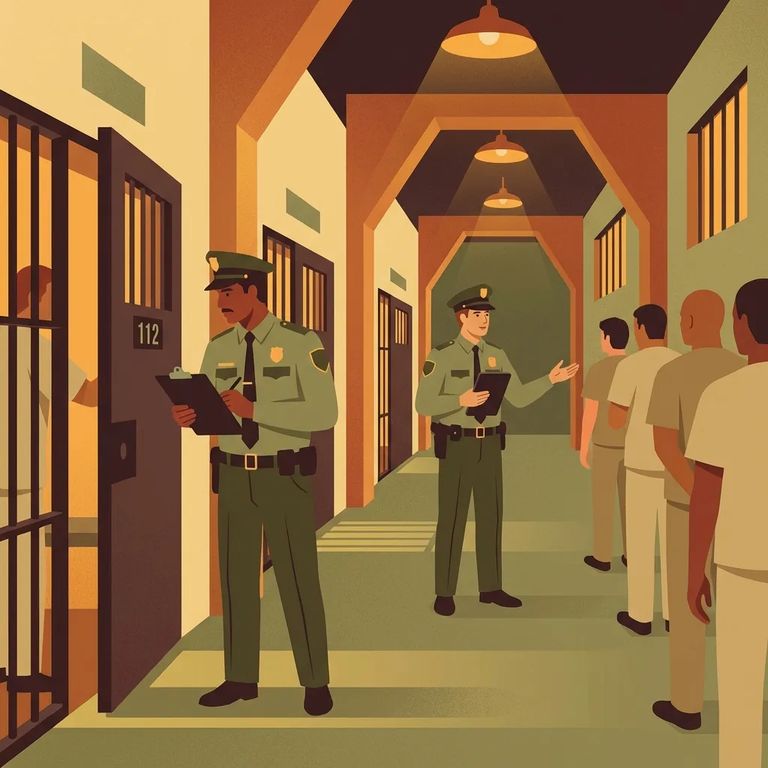
Under the proposed regulations, an "intake cell" is a suicide-resistant cell modified for two purposes: reducing attachment points that could be used for hanging, and improving visibility from outside the cell. Put simply, staff can see in more easily, and there are fewer features someone could use to hurt themselves.
The proposal links intake cells to a specific moment: initial placement into restricted housing. If someone can't be double-celled right away, they must be housed in an intake cell for the first 72 hours. This applies to people who are single-cell restricted and those approved for double-celling but without an available cell partner yet. Think of intake cells as a short-term step when double-celling isn't immediately possible.
Note: This 72-hour intake-cell requirement is described in a proposed regulation, and it’s framed as a time-limited measure tied to the start of restricted housing placement.
One small detail: the proposal requires approved intake cells to be clearly labeled, with "Intake Cell" stenciled on or near the door in black or white paint - whichever creates better contrast. This helps staff quickly identify which cells are designated for intake.
During this intake-cell period, the proposal addresses personal property in a limited way: someone in an intake cell can possess one entertainment appliance under section 3190(m)(3). The rule doesn't specify what that appliance is - just that the allowance is capped at one item.
Worried about whether your loved one is being checked on? The proposal requires security and welfare checks on everyone in restricted housing. These checks serve two purposes: observing the person's wellbeing and confirming basic cell security.

Practical
- ✓ Ask specifically whether the placement is “restricted housing” and whether the person is in an “intake cell” during the initial period
- ✓ If you’re told “72 hours,” clarify whether that refers to the first 72 hours after placement into restricted housing
- ✓ Keep notes (dates, times, who you spoke with, and what they said) so you’re not trying to reconstruct details later
- ✓ If you’re trying to send property or funds, pause and confirm what’s allowed during intake - rules can be tighter during the first days
- ✓ Focus your questions on what staff can answer: current housing status, whether checks are being completed, and when re-housing decisions are expected
- ✓ If you’re not getting clear information, try again later; shift changes and workload can affect how quickly you get updates
Reminder: These points come from a proposed rule set and may be implemented differently depending on the institution. When it matters, confirm the current practice with the specific facility.
Find an Inmate at California State Prison, Solano
Search for a loved one and send messages and photos in minutes.