
What 'intake cells' mean and why your loved one might be placed in one

An
Intake cells are used during a specific window: the start of restricted housing. If someone can't be double-celled when they're first placed in restricted housing, the proposed rule requires them to be housed in an intake cell for the first 72 hours. It's tied to those initial three days when double-celling isn't immediately possible.
The design goal is straightforward: reduce physical features that could be used for hanging and make it easier to see into the cell. That
- ✓ Approved intake cells must be clearly identified as intake cells so staff assigned to the restricted housing unit know their location.
- ✓ Each intake cell must have “Intake Cell” stenciled on or near the cell door.
- ✓ The stencil must use either black or white paint - whichever provides the strongest contrast.
If your loved one is in a Restricted Housing Unit intake cell, the proposed rule allows them to have one entertainment appliance under section 3190(m)(3). It's a narrow allowance, but it's specifically carved out for people in intake cells.
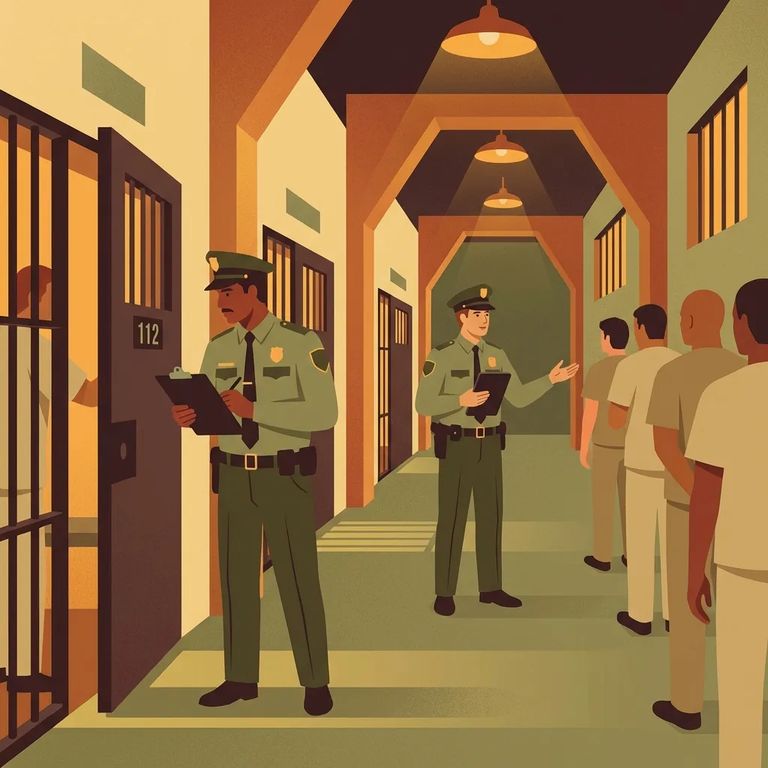
People in Restricted Housing Units receive regular security and welfare checks. The proposed definition spells out what that means: a correctional officer personally observes that the person is alive, breathing, and free from obvious injury. Officers also check for an unobstructed view into the cell and look for cell damage, signs of misconduct, or self-injurious behavior. The visibility focus of intake cells directly supports these requirements.
- Get a clear view into the cell - the check requires a clear, unobstructed view.
- Visually confirm the person is okay - staff must visually observe a living, breathing person who appears free from obvious injury.
- Physically observe as required - the check includes physical observation, not just a glance through the door.
- Scan for warning signs - the officer is also looking for damage to the cell and signs of misconduct or self-injurious behavior.
These intake-cell provisions are part of a broader regulatory action on Restricted Housing Units. The main goal of that action is to reduce the use of segregated confinement. For families, the takeaway: intake cells are being defined and standardized as part of a larger effort to limit how restricted housing is used - while still building in safety measures for those critical first days after placement.
Find an Inmate at California State Prison, Solano
Search for a loved one and send messages and photos in minutes.