
What Nevada's Family Services Can (and Can't) Help You With — and Where to Look for More
Trying to support someone in Nevada Department of Corrections (NDOC) custody? It helps to know which questions Family Services can actually answer—and which ones need to go somewhere else. Here's a clear breakdown, plus the quickest places to find the information families ask about most.
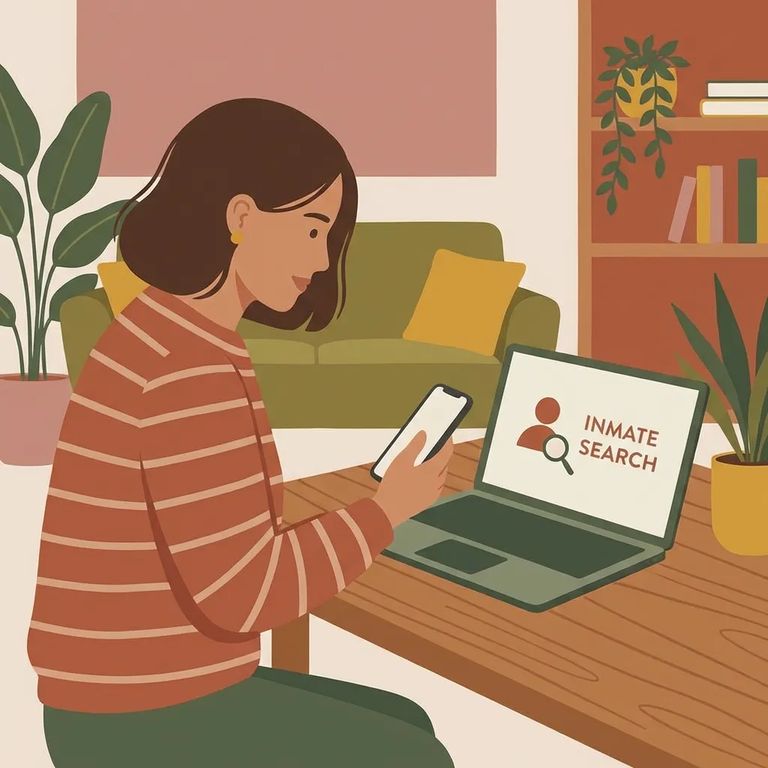
NDOC's Family Services Division helps family members with general information about how facilities operate. If your loved one is at Casa Grande Transitional Housing (CGTH), this is the kind of support that makes the system feel less confusing - things like what the usual process looks like, where to start, and what to expect from standard NDOC procedures.
- ✓ How NDOC phone calling accounts work through ViaPath Technologies (ConnectNetwork), including setting up and funding a prepaid AdvancePay account
- ✓ The standard ways NDOC accepts money for offenders, including Access Corrections card deposits and Lockbox Deposit Coupons (cashier’s check or money order)
Family Services has clear limits. They can't help with merit credits, housing or relocation of offenders, healthcare information, or offender releases. If your question falls into one of those areas, you'll need to work through the appropriate department or the institution itself - Family Services won't be able to resolve it.
Note: NDOC does not transfer offenders for offender convenience or family reunification, and no information will be provided about when an approved transfer will be executed.
For most families, the fastest starting point is the NDOC Offender Search. Most publicly available information about offenders - including people at CGTH - can be viewed through that tool on the NDOC website.
Need details beyond what the public search shows? For more specific information about someone's location, status, or classification, NDOC directs you to contact the institution where the offender is located. If the Offender Search isn't answering your question, the next step is usually the facility itself - including CGTH when that's where your loved one is housed.
Families often ask about transfers because being closer can make a real difference. NDOC's policy is blunt: no transfers for offender convenience or family reunification, and no information about when approved transfers will happen. If you're thinking about requesting a transfer, set expectations early - you won't get a timeline.
Compassionate release is different. NDOC has a program for offenders who are terminally ill or have substantial physical handicaps. These requests are generally initiated by the Medical Division. You can contact Family Services for information about the program and how it works.
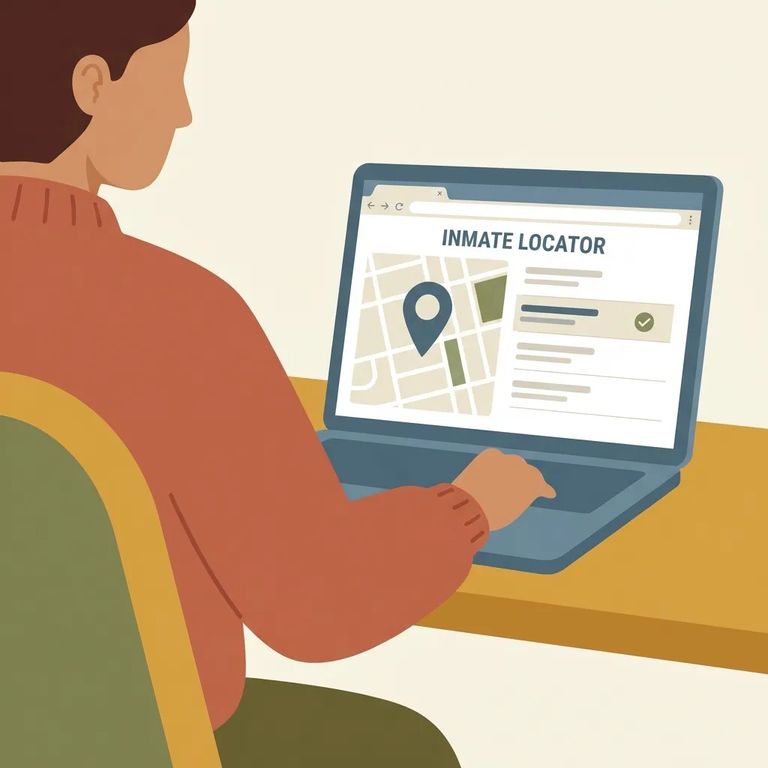
- Start with the NDOC Offender Search - it’s where NDOC says most publicly available offender information can be found.
- Call the institution for specifics - if you need more detailed information about location, status, or classification, NDOC directs you to contact the facility where the person is housed.
- Use Family Services for general “how does this work?” questions - they can explain how facilities are run and help you understand standard processes (including for CGTH), even when they can’t handle case-specific issues.
When you reach out to Family Services, keep your questions at the "general information" level - how NDOC processes work, what a facility's usual procedures look like, and where to direct a specific request. If you're calling about someone at CGTH, have your loved one's identifying details handy so you can stay organized.
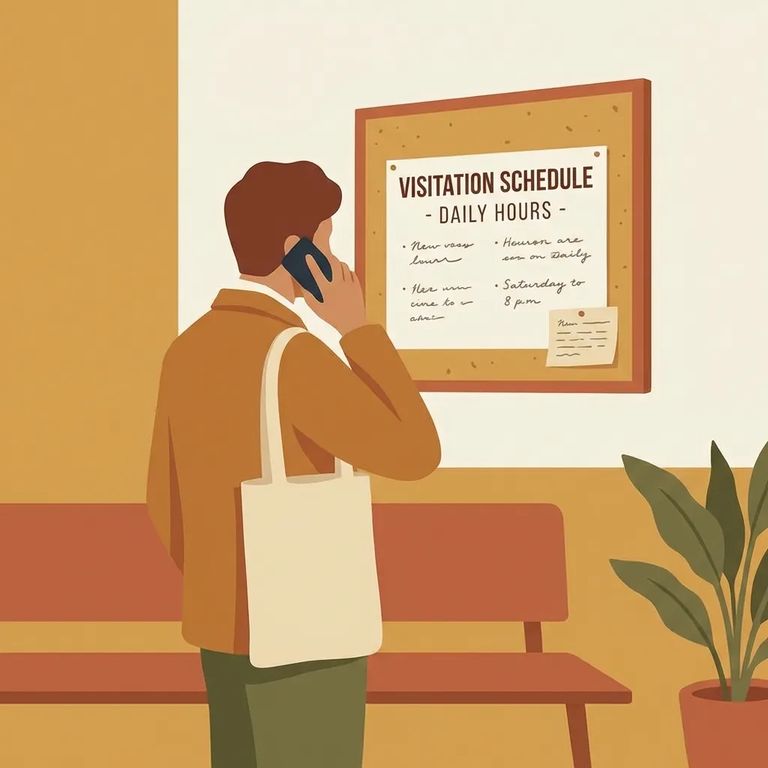
For CGTH visits, check in 15 minutes before your scheduled visitation time. CGTH posts specific visiting time blocks for general population (for example, Sunday 8–10 a.m. and 12–2 p.m.), so match your arrival to the posted block and give yourself that check-in cushion.
- ✓ Send money using Access Corrections online card deposits (credit/debit)
- ✓ Send money using a Lockbox Deposit Coupon with a cashier’s check or money order
- ✓ Set up and fund phone calling through ViaPath Technologies (ConnectNetwork) using a prepaid AdvancePay account
Find an Inmate at Casa Grande Transitional Housing
Search for a loved one and send messages and photos in minutes.