
Transitional programs at Catawba Correctional Center: Male Nurturing, Chaplaincy, GED & recovery groups
Catawba Correctional Center offers several transitional and recovery-focused programs designed to help people prepare for life after incarceration. If you're supporting someone there, knowing the program names makes it easier to ask the right questions and encourage follow-through.
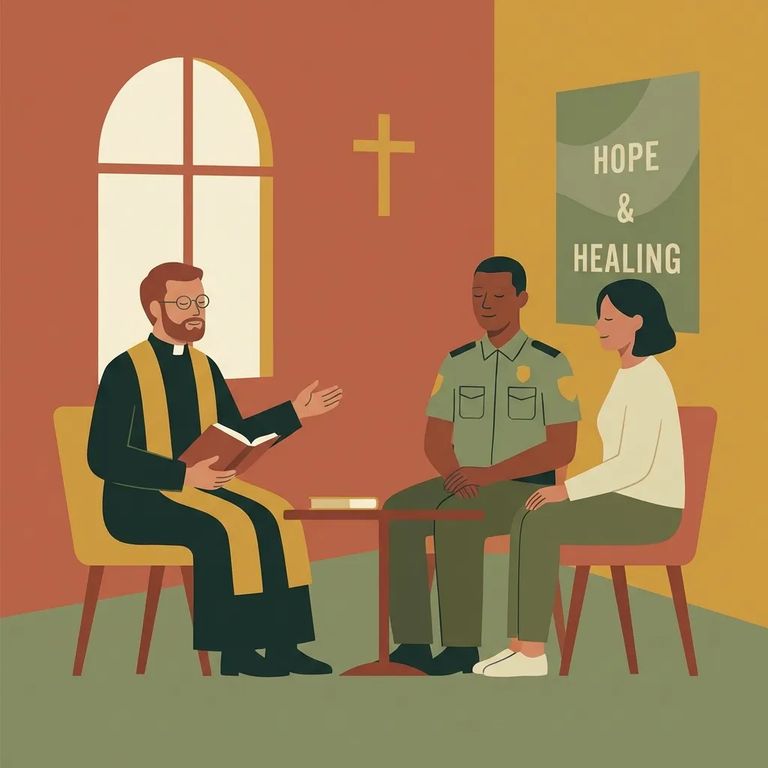
Catawba Correctional Center describes its transitional programs as services that aid offenders upon release. Release isn't just a date on the calendar. It's a shift back into daily responsibilities, relationships, and expectations. Programs that build routines, support recovery, and strengthen basic education can make that transition more stable, especially when your loved one sticks with them long enough to get the full benefit.
Catawba lists several named transitional programs: the Male Nurturing program, the Chaplaincy Re-entry Program, and DACDP Intermediate Treatment. GED tutoring and GED testing are also part of the transitional services available. On the vocational side, offenders may be able to participate in a program offered by Catawba Valley Community College. All of these are presented by the facility as support meant to help offenders prepare for their return to the community.
Catawba Correctional Center says Narcotics Anonymous (NA) and Alcoholics Anonymous (AA) support groups are represented at the facility. Families often see NA and AA as practical support because they're peer-based communities focused on staying sober one day at a time. If substance use has been part of your loved one's story, treat attendance like any other serious commitment inside. Show encouragement, ask what's helping, and keep your messages focused on progress and consistency.
Catawba specifically lists GED tutoring and GED testing among its transitional programs. Education is one of the clearest building blocks for reentry. It can open doors to training opportunities and employment, both while incarcerated and after release. The facility frames these services as programs that aid offenders upon their release. If your loved one is close to finishing a GED requirement (or needs a push to start), steady family encouragement can help them keep momentum.

Supporting Families
- ✓ Ask your loved one which program(s) he is in now (Male Nurturing, Chaplaincy Re-entry, DACDP Intermediate Treatment, GED tutoring/testing, vocational program, NA or AA).
- ✓ Encourage consistency. Missing sessions or dropping out is common when motivation dips.
- ✓ Help him connect programs to real goals, like earning a GED, building a recovery plan, or preparing for employment.
- ✓ Ask the facility what the enrollment process looks like for each program (and whether there is a waitlist).
- ✓ Ask what eligibility requirements apply, since not every person qualifies for every program.
- ✓ Ask how progress is tracked and what, if anything, can be shared with family.
- ✓ Keep your communication supportive and specific (for example, “How is GED tutoring going this week?” instead of general pressure).
- ✓ If release planning is coming up, ask what program completion documents or certificates he should keep for reentry.
- Make a short list of programs to ask about: Use the exact names Catawba lists (Male Nurturing, Chaplaincy Re-entry Program, DACDP Intermediate Treatment, GED tutoring and testing, vocational program through Catawba Valley Community College, NA, AA).
- Write down your key questions: Focus on eligibility, how to sign up, whether there is a wait, and what completion looks like.
- Contact the facility and document what you’re told: Keep notes with dates, names (if provided), and what steps you were advised to take.
- Share clear encouragement with your loved one: Let him know what you learned and what you are hoping he follows through on.
- Follow up at a reasonable interval: Programs move at institutional pace. Checking in periodically helps you catch changes in enrollment status or availability.
Verify Gaps
- ✓ How someone enrolls in each program (request process, referrals, or application requirements)
- ✓ Eligibility rules for each program (custody level, time-to-release, disciplinary status, medical or clinical criteria)
- ✓ Meeting times, frequency, and program length
- ✓ Whether there are waitlists or capacity limits
- ✓ Who the point of contact is for transitional programming questions
- ✓ Whether program participation affects privileges, housing, or other classifications
- ✓ What “completion” means (attendance, curriculum milestones, testing, certificates)
- ✓ How, and how often, progress can be reported or verified to family (if at all)
Note: Program availability and operations can change. Confirm current details directly with Catawba before you plan around a schedule or assume someone can enroll right away.
Find an Inmate at Catawba Correctional Inst., NC
Search for a loved one and send messages and photos in minutes.