
Medical Care, Co-pays, and What Happens to Prescription Medications at Chesapeake Booking
When someone is booked into Chesapeake Correctional Center, medical questions come fast: Will they be seen? Does it cost money? What happens to the medications they brought with them? Here's how screening, co-pays, and prescription verification actually work.
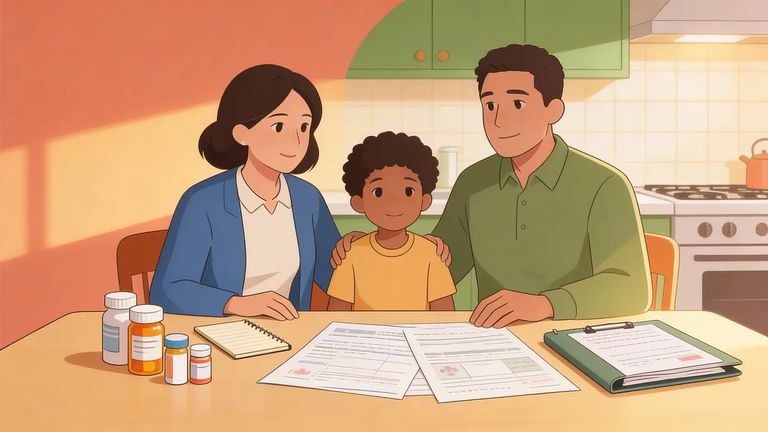
Everyone entering through Booking at Chesapeake gets evaluated and screened. This is how the facility identifies medical needs from the start. Care doesn't stop when the office closes. Chesapeake has an on-site medical contractor available 24 hours a day, so help is accessible around the clock.
Note: Chesapeake provides access to professional health care 24-hours a day through an on-site medical contractor.
Prescription medications that come in during Booking aren't automatically dispensed. Staff must verify each prescription before anything is given out.
Labeling matters. Any medication brought into Chesapeake Correctional Center that can't be verified or isn't properly labeled gets disposed of.
Tip: Make sure any medication coming in at booking is properly labeled and verifiable. Otherwise, it may be disposed of rather than dispensed.
Free Services
- ✓ Physical screening on admission
- ✓ Dental screening on admission
- ✓ Follow-up visits requested by medical staff
- ✓ Mental health screening
- ✓ Preventative/continuing treatment for documented chronic problems (such as diabetes, hypertension, HIV, TB, seizures, etc.)
- ✓ Sexually transmitted disease testing
- ✓ TB screening
Families often ask about follow-ups and chronic care. Good news: if medical staff requests a follow-up visit, that appointment is free. Chesapeake also covers preventative and continuing treatment for documented chronic conditions - diabetes, hypertension, HIV, TB, seizures, and similar issues - without charging a co-pay.
Copay and Billing
- ✓ Sick call
- ✓ Doctor visits
- ✓ Dentist visits
- ✓ Prescriptions
Some services require a co-pay, but medical care is never refused. If your loved one doesn't have funds in their account, they're still seen. What happens instead: a negative balance is applied to their account. When someone deposits money later, the balance is deducted.
- They’re seen by medical staff - even if there’s no money in their account.
- A negative balance is applied - charges for medical services can post as a negative balance.
- Future deposits reduce the balance - when a deposit is made, the negative balance is deducted.
Practical Advice Families
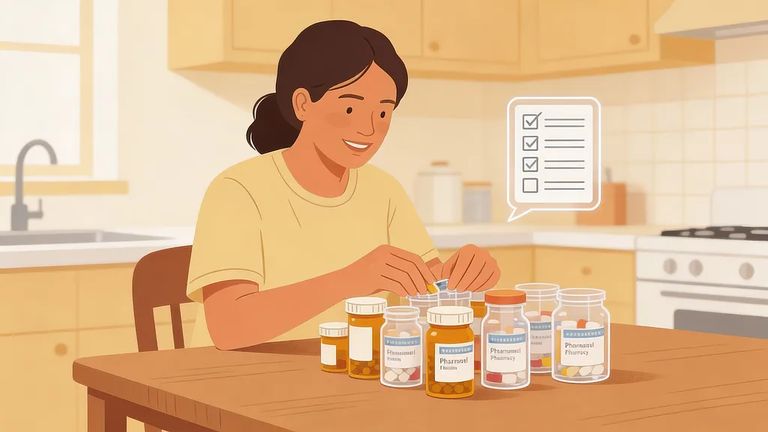
- ✓ Assume medications will need to be verified before they can be dispensed.
- ✓ Make sure any medication that comes in is properly labeled so it can be verified.
- ✓ Expect that medication that can’t be verified or isn’t properly labeled will be disposed of.
Expect co-pays for sick calls, doctor visits, dentist visits, and prescriptions. But these charges don't block care - medical attention is never refused. No funds available? Your loved one is still seen, and a negative balance goes on their account. Once money is deposited, that balance is deducted.
Tip: Double-check labeling on any medication headed into booking. If money is tight, know that care won't be refused - charges show up as a negative balance and are deducted after a deposit.
Find an Inmate at Chesapeake Jail, VA
Search for a loved one and send messages and photos in minutes.