
What Happens During the First Two Weeks at Childersburg Work Center: Reception & Classification Explained
The first days after someone arrives at Childersburg Work Center can feel like a black box from the outside. Here's what reception and classification actually involves, why those first two weeks matter, and how to flag language or disability needs early so your loved one gets the support they need.

Reception starts with identity processing. Your loved one will be photographed and fingerprinted - standard steps to get them officially entered into the system and keep records accurate from day one.
Medical screening is also part of reception. Your loved one will get a complete physical examination so staff can document current health needs and address anything urgent. Dental is included too. A dental exam establishes a baseline record and flags issues that might need follow-up later.
Reception isn't just paperwork and checkups. Staff also conduct psychological testing and interviews during this period. These screenings help identify mental health needs and inform safer decisions about placement and supervision.
In Alabama DOC, reception and classification typically wrap up within two weeks of arrival. For families, this window often feels unsettled - housing and routines are still being determined, and staff are still gathering information. Once classification finishes, your loved one moves past the intake phase into a more stable placement based on everything collected during those first days.
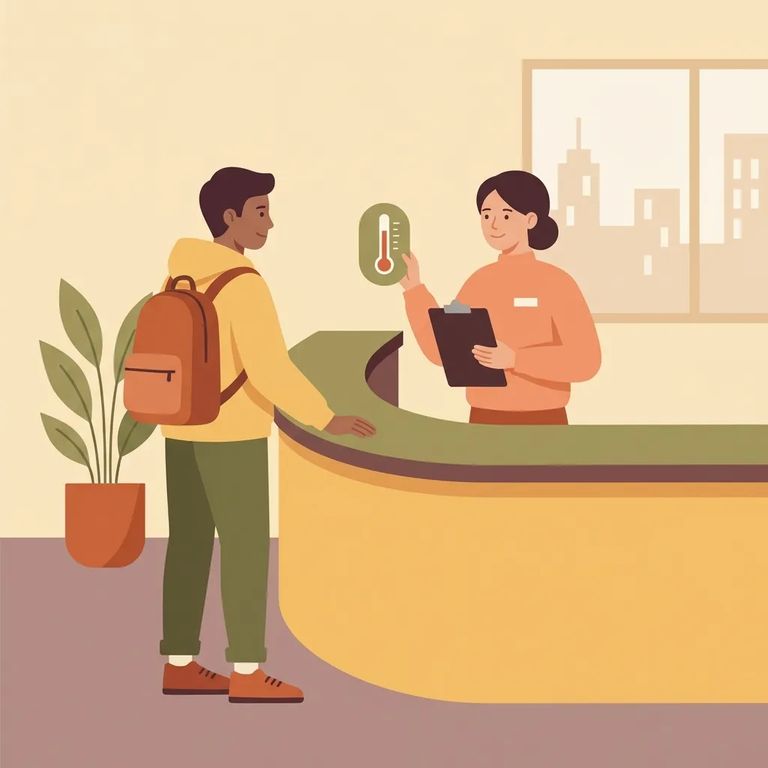
Classification determines where your loved one starts out and what custody level they're assigned. During reception, they'll sit down with a Classification Specialist for an initial interview. That conversation - combined with information already on file - shapes decisions about custody level and housing assignment.
Classification doesn't end after intake. Every inmate gets a classification review at least once a year - a built-in checkpoint to reassess custody and placement. Beyond that, the file is reviewed every six months to check eligibility for changes. Movement and adjustments can happen over time, sometimes sooner than families expect, depending on what those reviews show.
- ✓ Ask your loved one to contact their Classification Specialist by submitting a request slip.
- ✓ If available to them, have your loved one sign up for the Classification Specialist’s Open House meetings to raise questions in person.
If your loved one doesn't speak English, encourage them to tell staff right away during intake. The facility can provide a translator or interpreter so they understand what's being asked throughout reception and classification.
If your loved one has trouble understanding staff due to a reading, hearing, sight, or other disability, they should speak up as early as possible. The facility's ADA Coordinator can help with accommodations so nothing gets missed or misunderstood during intake.
Practical Family Tips
- ✓ Get and double-check your loved one’s AIS number (their unique six-digit ADOC identifier).
- ✓ Use the AIS number when you’re trying to look someone up, because the AIS number field takes precedence in ADOC searches and is the quickest way to find a particular inmate.
Expect the first two weeks to feel like a processing period. Your loved one is going through multiple screenings and an initial classification interview, so things may seem unsettled. Even after initial placement, classification can shift. The six-month file review specifically checks eligibility for custody and placement changes - so a move down the road isn't unusual.
- Flag language needs immediately - if your loved one doesn’t speak English, they should tell staff so a translator or other assistance can be provided.
- Speak up about disabilities early - if reading, hearing, sight, or another disability affects communication, they should notify staff so the facility ADA Coordinator can assist.
- Confirm the help is understood and in place - your loved one can ask staff to make sure the translator/ADA assistance is lined up for interviews and instructions during reception and classification.
Find an Inmate at Childersburg Work Center
Search for a loved one and send messages and photos in minutes.