
What to Bring (and Leave Behind) When You Visit Chippewa CF
A smooth visit comes down to two things: the right ID and the right clothes. Use this checklist to avoid delays—or getting turned away—at check-in or on camera.
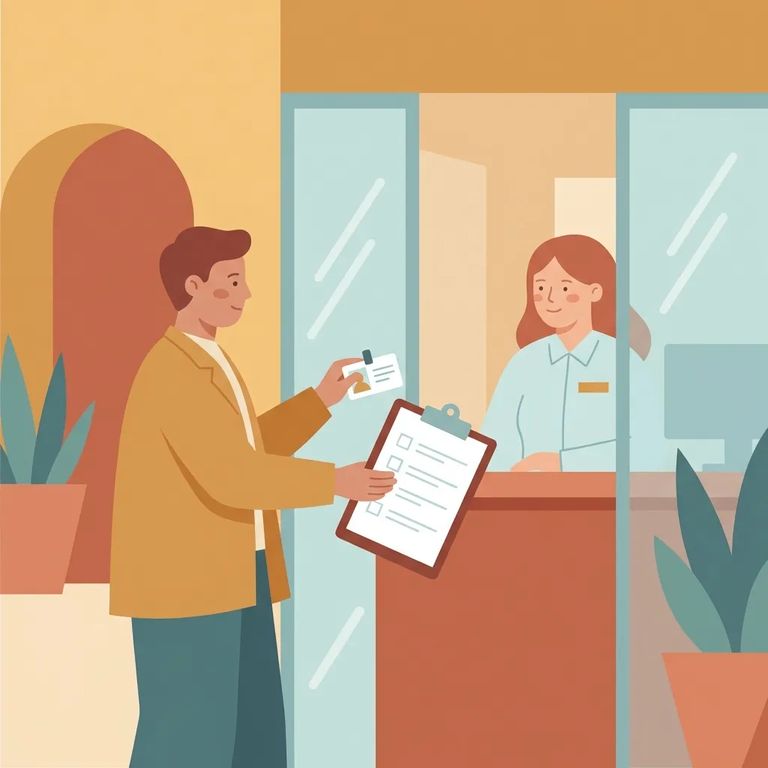
Check in as soon as you arrive. At Chippewa CF, every visitor must sign in and show an approved ID. For adults, that means photo identification - a driver's license, state ID card, military ID, passport, or other government-issued photo ID. Staff verify your identity before each visit.
Using a temporary ID or a license without a photo? Bring a second form of photo identification along with it. Without that backup, you may not clear verification.
What you wear matters - especially on video. You must be fully dressed (no underwear, swimwear, or lingerie as outerwear), and you can't remove clothing during the visit. Breastfeeding is allowed on video visits, as long as the child is on the prisoner's approved visitor list.
- ✓ Bring a pictured, government-issued ID (driver’s license, state ID, military ID, passport, or similar) so you can be verified before the visit.
- ✓ If your ID is temporary or doesn’t have a photo, bring another photo ID to go with it.
- ✓ For video visits, wear regular, full clothing from the start - don’t treat it like a casual call where you might adjust outfits on camera.
- ✓ Skip anything that could read as underwear, swimwear, or lingerie as outerwear on video.
- ✓ If you’ll be breastfeeding during a video visit, make sure the child is on the approved visitor list.
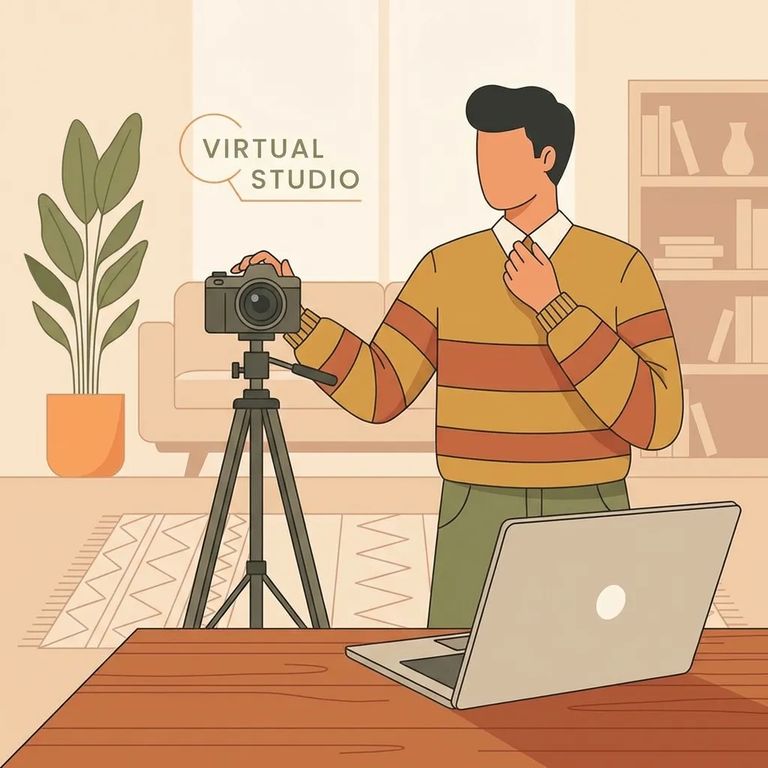
- Log into the ViaPath (GTL) Visitor site early - Sign in about 10 minutes before your scheduled video visit so there’s time for verification and approval.
- Stay ready during that window - Treat those last few minutes like check-in time; if you’re scrambling at the start, you can lose the visit.
For video visits, you'll verify your identity on camera using the same photo ID required in person - driver's license, state ID, military ID, passport, or other government-issued photo ID. Keep your hands and camera view clear: visitors can't show items during the call. The one exception? Immediate family members may show and discuss legal documents.
Watch your headcount. Up to five people can participate in a video visit - children under two don't count toward that limit. If you're planning to include multiple relatives, do the math ahead of time so you don't exceed the cap once the call starts.
Bringing kids? Here's how the headcount works. For in-person visits, up to five visitors can visit at once - children under two don't count. Video visits follow the same rule: five people max, with kids under two excluded from the count.
Everyone goes through the same front-desk routine: sign in and show approved ID. Adults need photo identification before each visit. If you're bringing minors, have any paperwork or ID ready so you're not scrambling at the window.
Pack List
- ✓ Your pictured, government-issued ID (driver’s license, state ID, military ID, passport, or similar)
- ✓ A second photo ID if your main ID is temporary or doesn’t include a photograph
- ✓ Car keys
- ✓ Wallet (with your ID easy to reach at check-in)
- ✓ Any documents you may need for check-in, since all visitors must sign in on arrival
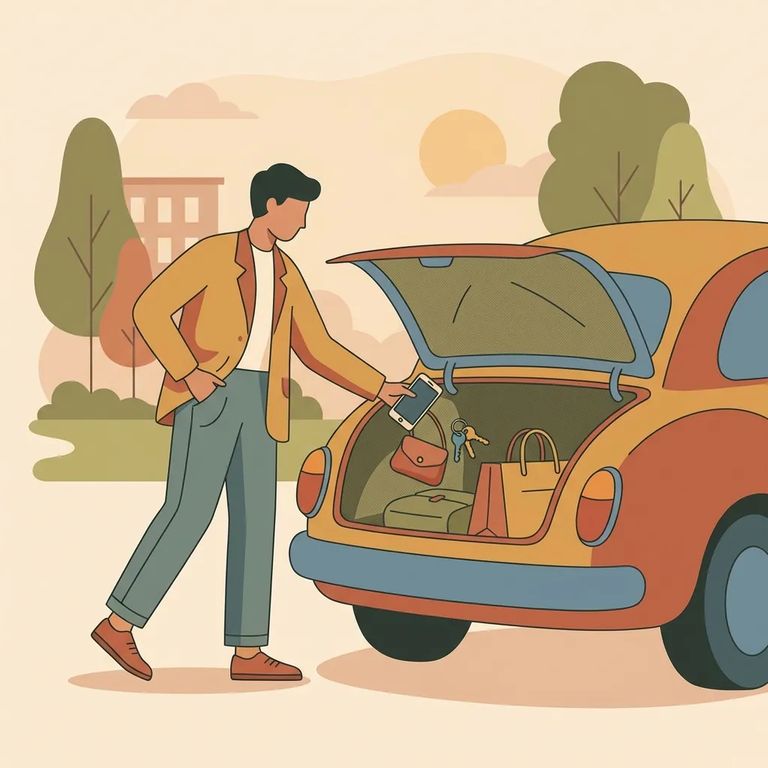
- ✓ Anything you wouldn’t want to risk being questioned about at security - leave it locked in your car.
- ✓ Extra items you don’t need for check-in; the less you carry, the smoother the entry process tends to be.
- ✓ For video visits, don’t plan to hold items up to the camera (the only exception is immediate family showing legal documents).
One more thing: timing. In-person visits must be scheduled at least 48 hours ahead, and no more than 7 days in advance. You may be able to book two separate visits on the same day with the same prisoner. Visiting blocks run about three hours on weekdays and two hours on weekends - bring what you need to stay comfortable, but keep it simple so check-in stays quick.
Find an Inmate at Chippewa Cf
Search for a loved one and send messages and photos in minutes.