
Can You Send Books from Amazon? What to Know About Outside Vendors (based on CoreCivic guidance — verify with Citrus County)
Sending books to someone in custody sounds simple enough—but vendor rules can make or break your order. Before buying anything for Citrus County Detention Facility, take a minute to confirm which sellers are allowed and how items need to be addressed.

Book and package rules vary widely from one jail to the next, even within the same state. Your safest move? Confirm Citrus County Detention Facility's current policy before placing an order - especially if you're shipping directly from a retailer. If you're using guidance from another facility (including CoreCivic-run facilities) as a reference, treat it as an example of how strict vendor rules can get, not a guarantee of what Citrus County accepts. A quick call up front can save you a returned package and a frustrating delay.
Here's why you shouldn't assume Amazon is always allowed. In CoreCivic guidance for Central Arizona Florence Correctional Complex (CAFCC), Amazon is explicitly not accepted as an outside vendor for books. Even if the item is a standard paperback, the vendor itself can be the reason it never makes it through the mailroom.
That same CAFCC guidance shows the approach many facilities prefer: books only from "direct source" vendors. Barnes & Noble and Hamilton Books are named as acceptable direct-source options. Policies like this give mailrooms a consistent way to control where items come from and how they're packaged.
Note: The Amazon ban and direct-source vendor rule are from CAFCC (CoreCivic) guidance, not Citrus County. Use it as a cautionary example and verify Citrus County’s approved vendors before ordering.
Vendor restrictions come down to safety and screening. Facilities want to reduce contraband risk and limit items that could hide prohibited materials - so they narrow what can come in and how it ships. CAFCC's guidance also points to broader mail limits that affect deliveries. It cites USPS-prohibited categories: potentially hazardous materials, improperly marked perishables, obscene content or material inciting violence or terrorism, solicitations disguised as billing statements (without a clear disclaimer), and mail imitating postal markings or trademarks. Even when you're sending something harmless, these rules shape what mailrooms will accept.
Small extras can cause a rejection. CAFCC's list of items normally prohibited in general correspondence includes Polaroid photos, photo negatives or slides, framed photos, and greeting cards larger than 8 x 10. Some facilities also restrict cards with non-paper parts or bulky construction. The practical takeaway for vendor orders: packaging, inserts, and add-ons can matter just as much as the book itself.
4
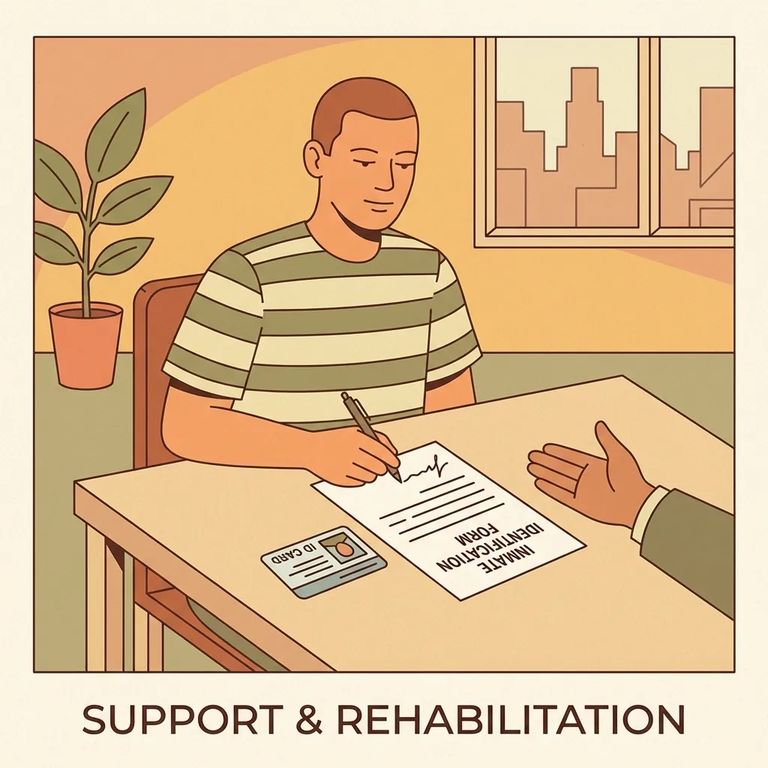
- ✓ Incarcerated person’s full name (as the facility has it on file)
- ✓ Incarcerated person’s identification number
- ✓ Facility name and address on the shipment/label
- ✓ Your full name and return address (so the mailroom can identify the sender)
- ✓ Package/content limits and prohibited categories (for example, some guidance references USPS-prohibited categories like hazardous materials, perishables, obscene content, deceptive solicitations, or mail that imitates postal markings)
- ✓ Whether Amazon (or other big marketplaces) is accepted, or whether the facility requires “direct source” book vendors (CAFCC’s example bans Amazon and allows direct-source vendors like Barnes & Noble or Hamilton Books)
- ✓ Your order details: keep the receipt/order confirmation and tracking number, and confirm the incarcerated person’s correct ID/housing information before you ship
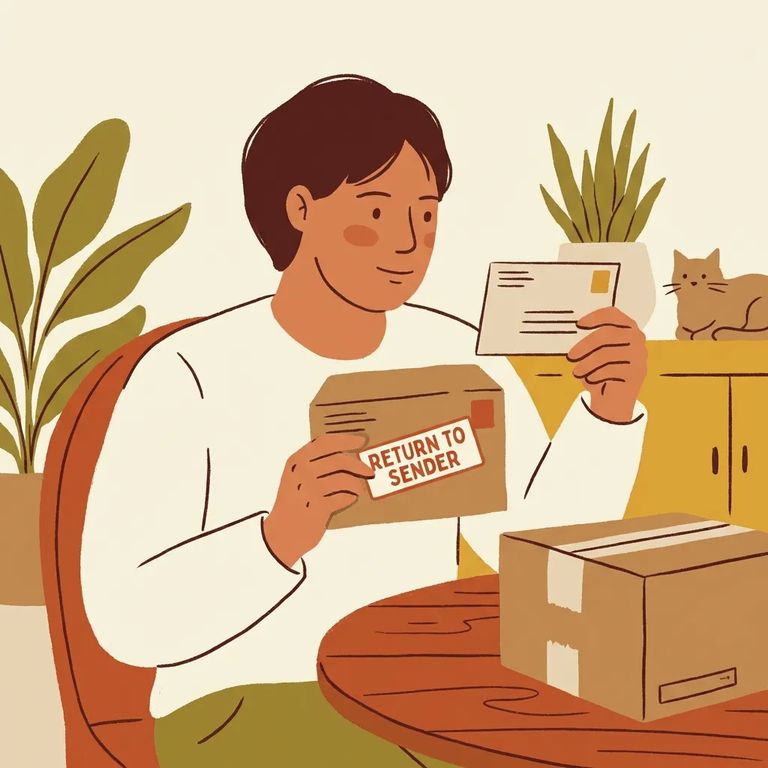
If a package gets rejected or returned, find out why. Sometimes it's the vendor (CAFCC's guidance, for example, rejects Amazon as an outside book vendor). Other times it's an addressing issue, a prohibited insert, or a packaging problem. Keep your tracking number and order confirmation handy - they'll help you sort things out faster, whether you're asking the facility what happened, re-shipping from an approved seller, or requesting a refund.
- Ask what triggered the rejection - Contact the facility and request the specific reason (vendor not approved, content/packaging issue, missing information, or another restriction).
- Confirm the fix before you re-order - If the issue was the seller, ask whether books must come from a direct-source vendor (as in the CAFCC example) and what vendors are acceptable for Citrus County.
- Use your order records to resolve the order - With tracking and proof of purchase, follow the retailer’s process for a return/refund or place a new order that matches the facility’s vendor and content rules.
Find an Inmate at Citrus County Detention Facility, FL
Search for a loved one and send messages and photos in minutes.