
Bringing Cash and Medications to Your Visit at Columbia Correctional: What You Need to Know
A little prep goes a long way. Here's what Columbia Correctional visitors need to know about cash, prescription medications, and prohibited items.
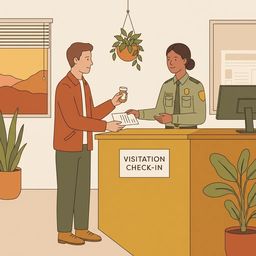
How to visit, scheduling, dress code, and visitor requirements
Start with Columbia Correctional Institution's official website, which has quick links to Visiting Information and offender search tools. That page is the best place to confirm current rules, schedules, and any forms you need. You must be on the inmate's approved visitor list before you can visit, and the inmate usually starts that process. Most prisons also require visitors (often age 12 and up) to complete a visitor application and submit it using the method the facility specifies. Don't travel until you receive approval. Some facilities also offer video or other remote visitation options, but availability and scheduling vary by site. Check the posted visiting information before you plan anything.
Search for a loved one and send messages and photos in minutes.

A little prep goes a long way. Here's what Columbia Correctional visitors need to know about cash, prescription medications, and prohibited items.
Planning a visit to Columbia Correctional Institution? Two things trip people up most: time zones and the processing cutoff. Here's what you need to know about visiting hours and the latest time staff will let you in.

Visiting someone at Columbia Correctional starts with getting on the approved visitors list. Here's the exact checklist for submitting Florida DOC's visitation application correctly—and avoiding delays.

Visiting someone at Columbia Correctional Institution starts with paperwork. Submit the completed visiting request form by email or U.S. Mail, then wait—don't show up until the inmate confirms your application has been approved.

Visitation rules can change, so your safest starting point is the facility's own page. For Columbia Correctional Institution, look for the "Visiting Information" quick link to get the most current requirements.

Your first visit to Columbia Correctional can feel nerve-wracking, especially when you don't know what to expect at check-in. Here's a breakdown of the search process so you can walk in ready.

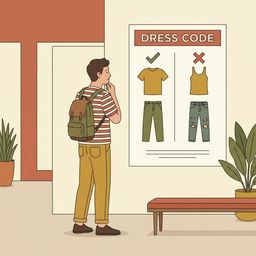
Dress code trips up more visitors than you'd think. Want a smooth check-in at Columbia Correctional? Keep it simple, modest, and within the rules below.
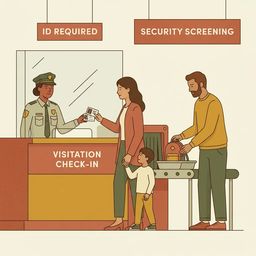
Anyone 16 or older needs a valid photo ID to visit Columbia Correctional Institution. No ID, no visit — staff check at the door.
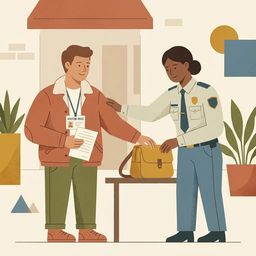
Want snacks or drinks during your visit? Bring cash for the vending machines—up to $50 per visitor, regardless of age. Stick to $1, $5, $10, and $20 bills only. Larger bills won't work, and neither will coins.
Start at Columbia Correctional Institution’s official web page and use the quick links for Visiting Information and Offender Search. The visiting information page is the main source for the visitor application, schedules, and any required forms.
Ask the inmate to add you to their approved visitor list. If the facility requires it, complete and sign the visitor application, submit it the way the facility specifies, and wait for official approval before you travel.
Many jails and prisons offer video visitation (remote or on-site), but scheduling and availability vary by facility. Check Columbia Correctional Institution's visiting information page to see whether video visits are offered and how to set one up.
Mailing a money order lets you skip online fees, but there's a catch at Columbia Correctional (Florida DOC): your deposit won't go through unless you're on the person's Approved Visitors List.

Sending money to someone who's incarcerated? The right method depends on what the money is for. JPay money orders go toward general inmate account deposits, while CorrectPay handles court-ordered payments. Each has its own mailing address and rules.

Before you send money, it's worth knowing who handles oversight if something seems wrong. The Florida Department of Corrections has an Office of the Inspector General (OIG) that investigates fraud, waste, and abuse within the system.