
How to File a Complaint About a Columbia County Deputy
Ready to put your complaint in writing? The Columbia County Sheriff's Office Citizen Complaint Form captures the key facts Internal Affairs needs to review what happened.
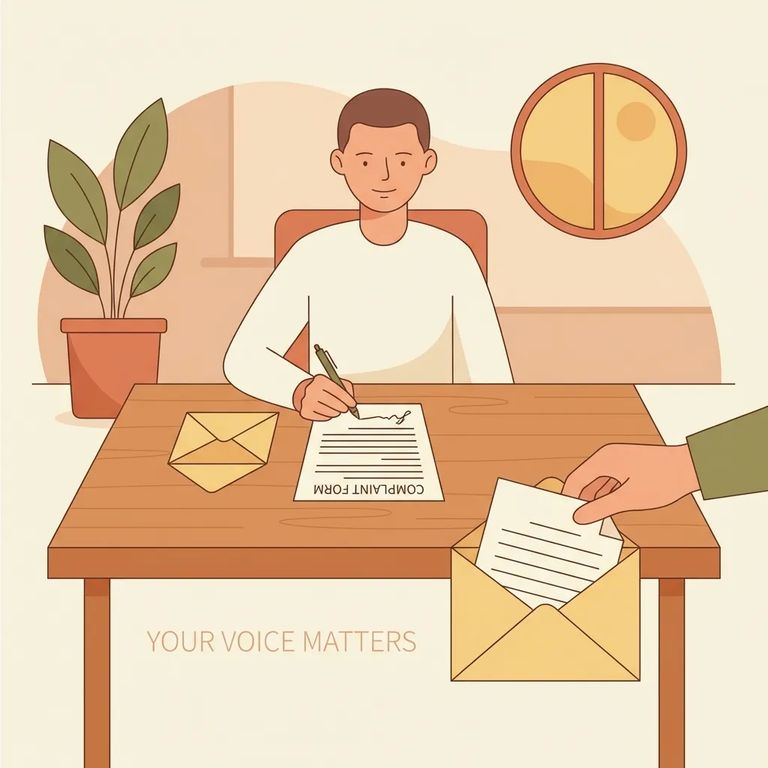
The form starts by asking you to pick a category that matches your concern. Your options are Un-professional Behavior, Dishonesty, Harassment, Excessive Use of Force, Driving, Criminal Act, or Other. Pick the closest fit - it helps frame your complaint - but your written description is where you explain what actually happened.
What Information the Form Asks for
- ✓ Your information as the reporting citizen (so the agency can follow up)
- ✓ Information about the employee involved (name and identifying details, if you know them)
- ✓ Victim and witness details, including whether you personally witnessed the incident and your relationship if you’re filing on someone else’s behalf
- ✓ Incident basics such as date, time, location, and any case number (if applicable)
- ✓ A short incident summary (a few sentences) plus a longer narrative with as much detail as you can provide
- ✓ Space for additional pages or a supplemental form if you need more room to explain what happened
This isn't just a worksheet for telling your side. It requires a sworn statement. You'll sign under penalties of perjury, declaring that everything you wrote is true and accurate. If the complainant is a juvenile, a parent or guardian must also sign - plan for that before submitting.
Once you file, Internal Affairs reviews the complaint and assigns a conclusion label. The possible outcomes are Exonerated, Sustained, Not Sustained, Unfounded, and Policy Failure. These labels show how the allegation was resolved - whether the complaint was supported, not supported, or whether the review pointed to a policy issue rather than an individual violation.
You'll notice parts of the form that look like they're for the agency, not you. Those Internal Affairs processing fields track the complaint as it moves through review - who it's assigned to, key dates, that sort of thing. Don't worry about sections you aren't expected to fill out.

- Pick the closest complaint category - Use the form’s categories (like Un-professional Behavior, Dishonesty, Harassment, Excessive Use of Force, Driving, Criminal Act, or Other) to label the issue, then let your narrative explain the specifics.
- Write down the incident basics first - Before you start the narrative, gather the date, time, and location where the incident occurred, plus any case number if one exists.
- List every witness and “on behalf of” detail you can - If anyone saw what happened, collect their names and contact information. If you’re filing for someone else, be ready to state your relationship to them.
- Draft a tight summary, then expand it - The form asks for a brief explanation (a few sentences). Write that first, then add a fuller detail section with a clear timeline: what led up to the incident, what was said or done, and what happened afterward.
- Use extra pages when you need them - If the detail section isn’t enough, continue on additional pages or a supplemental page rather than leaving out key facts.
- Prepare to sign the sworn statement - Set aside time to review your wording for accuracy. You’re signing under penalties of perjury that your statements are true and accurate, and if the complainant is a juvenile, a parent or guardian must sign.
Reminder: You’re required to sign a sworn statement under penalties of perjury that your complaint is true and accurate. Read your full narrative one last time before you sign.
Find an Inmate at Columbia County Sheriff's Office
Search for a loved one and send messages and photos in minutes.