
What Happens After You File a Complaint at De Quincy: Investigation, Hearing, and Possible Outcomes
Filing a complaint is only the first step. Here's what happens next in De Quincy—who investigates, how long it takes, when a formal hearing comes into play, what paperwork gets kept, and what outcomes are possible.

Filing a complaint can feel like sending something into a black box. This article breaks down what happens after you file in De Quincy: who investigates and what they look at, the key timelines, what recommendations can come out of an investigation, when a formal hearing might happen, what records are kept (and who can access them), and what remedies the mayor can order if prohibited conduct is found.
Once a complaint is filed, either the department head or the mayor handles the investigation. The policy calls for a timely review that can include interviewing relevant people, examining records, and consulting with employees to piece together what happened.
Note: A "timely" investigation in De Quincy can include interviews, record reviews, and employee consultations. You may be asked for details - names, dates, or anything that helps confirm what occurred.
There's a deadline on the front end: complaints must be filed within one year of the alleged prohibited conduct. If you're close to that mark, act quickly to stay within the allowed window.
After the investigation wraps up, the department head has a deadline too. Within 180 days of the complaint being filed, they must give the mayor a written recommendation on how to resolve it.
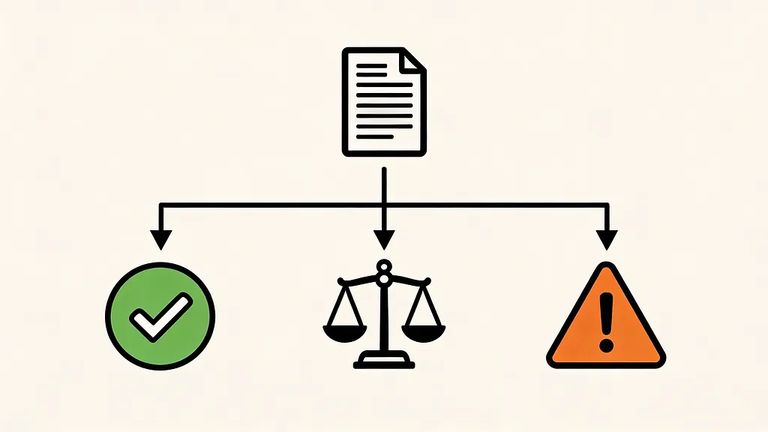
Findings Nextsteps
- ✓ A written recommendation that no prohibited conduct has occurred
- ✓ A written recommendation that material facts in dispute should be resolved through a formal hearing
- ✓ A written recommendation that no facts are in dispute and prohibited conduct has occurred
- ✓ Copies of the department head’s written recommendation are provided to both the complainant and the party accused in the complaint
That written recommendation is the pivot point. If it says no prohibited conduct occurred, the process typically moves toward dismissal at the mayor's level. If key facts are genuinely disputed, the policy calls for a formal hearing to sort them out. And if the facts aren't in dispute and prohibited conduct did occur, the matter goes to the mayor for a decision on what happens next.
The mayor isn't required to accept the department head's recommendation - the policy allows them to adopt or reject it. If the mayor adopts a finding that prohibited conduct occurred, they can then order remedies.
- Show that material facts are in dispute - A formal hearing comes up when the department head recommends one, or when a party makes a written request that includes a showing of material facts in dispute.
- The mayor conducts (or causes) the hearing - The policy places responsibility on the mayor to conduct the hearing or have it conducted.
- Participate in the hearing - The hearing must provide the parties and witnesses a fair opportunity to be heard and be conducted to do substantial justice between the parties.
- Receive findings from the hearing - The hearing process results in findings.

A record is kept for each complaint. The file includes the written complaint (if there is one), any statements from the investigation, the department head's recommendation, and the mayor's findings of fact, conclusions of law, and written determination. Either party - or a designee - can access that record. Both the complainant and the accused also receive copies of the department head's written recommendation.
- ✓ Require the offender to apologize
- ✓ Direct the offender to stop the offensive behavior
- ✓ Require counseling or training
- ✓ Oral censure
- ✓ Written censure (included in the offender’s personnel file)
- ✓ Transfer
- ✓ Suspension (with or without pay)
- ✓ Discharge
- ✓ Any other action that may be appropriate under the circumstances
Note: If the mayor determines prohibited conduct occurred, the policy allows them to order one or more remedies - so outcomes can include a combination of actions, not just a single step.
Find an Inmate at De Quincy Jail, LA
Search for a loved one and send messages and photos in minutes.