
Understanding Inmate Groups, the 'Code', and Safety at Eddie Warrior
Prison culture can feel baffling from the outside — especially when you're trying to support someone you love. This explainer breaks down one first-person account describing inmate "groups," the unwritten "code," and how those dynamics can shape day-to-day safety at Eddie Warrior.
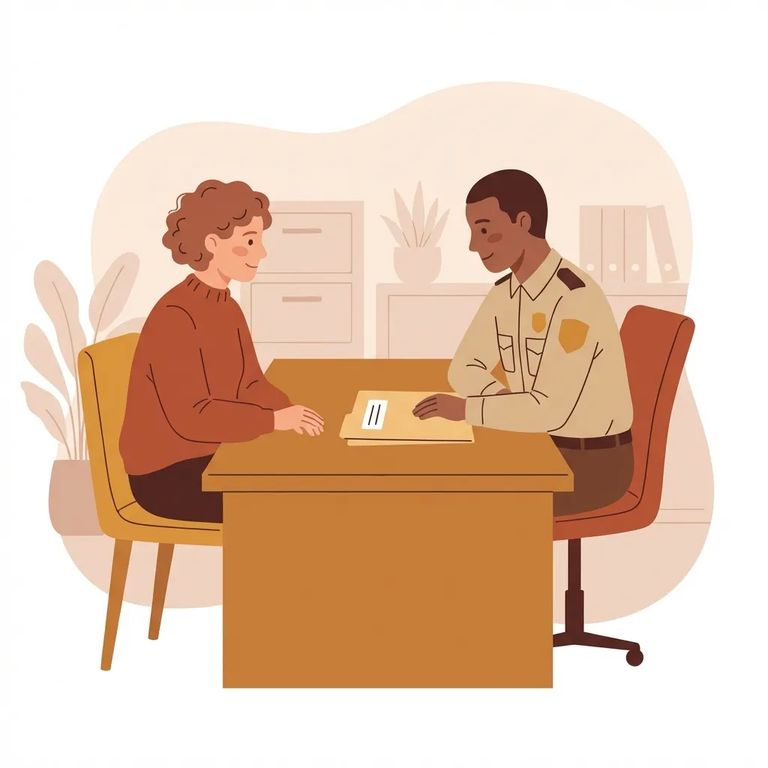
One group the source describes is long-term "lifers." The author portrays them as relatively stable: they hold jobs with pay numbers, keep well-equipped cells, and have plenty of commissary items. Because they've built routines and have things to lose, they're not framed as the most volatile group day-to-day.
The author draws a sharp contrast with a group called "young punks" - people who believe they have nothing to lose. The risk isn't just major conflicts. It's how fast a situation can flip if someone feels disrespected. The author's point is blunt: if a person thinks you crossed them, they may attack rather than argue.
The source also describes inmates the author characterizes as politically driven and hostile toward corrections officers ("C/O's"). The author attributes historical corrections-officer murders in the 1970s to this type of group. That's the author's framing - but for families, the practical takeaway is that some conflicts stem from ideology and long-running grievances, not just personal beefs.
The inmate "code" usually refers to an informal set of rules about respect, boundaries, and how you carry yourself. In the Eddie Warrior account, the author says some inmates "lived by a code" and were "very respectful" - even "courteous" - when that code was understood. Courtesy, in other words, is conditional: it shows up when the other person isn't seen as violating the environment's unwritten rules.
This helps explain why small choices matter inside. Knowing the "code" isn't about being tough - it's about avoiding unnecessary friction and not triggering a disrespect dynamic. If your loved one believes certain behaviors signal disrespect, they may watch their words, their tone, even who they're seen talking to. Those details can affect how others treat them.
The source calls out "Shot Callers" as a major driver of violence at Eddie Warrior. The author describes them as a "giant problem" and claims that, before they were identified and removed, they could spark "stabbing frenzies." Think of this less as a label you can spot from the outside and more as a warning: violence can be organized and influenced by a few key people.
The author also describes extreme, tactical violence - hard to read, but it helps explain why people inside stay on edge. In that telling, some inmates "studied anatomy" to know where to stab; the author claims they could be skilled at "playing dead" to kill someone. Whether every detail applies to every situation, the message is clear: some people approach violence with planning, not impulse.
The source includes a sensitive allegation about one individual the author says they "dealt with" - claiming that person killed three corrections officers at Soledad and slit the throats of two officers at San Quentin. This is presented as the author's account and should be treated as an allegation, not something you can verify through day-to-day contact with Eddie Warrior.
Safety flag: The author warns that when overall violence is "ratcheted" high, even tiny disputes or perceived disrespect can turn lethal - including stabbings.

For families, the most useful part of the "code" idea is how it shapes communication. The author describes people who were respectful as long as the code was known - and also describes younger inmates who react aggressively to perceived disrespect. That combination points to a simple approach: focus on respectful wording, avoid pushing your loved one to "prove" anything, and let them define what feels safe to discuss.
- ✓ “Are there any unwritten rules where you’re housed that I should understand so I don’t say something that puts you in a bad spot?”
- ✓ “If something I ask feels disrespectful inside, tell me and I’ll rephrase it.”
- ✓ “What topics should we avoid on calls or visits so you don’t get unwanted attention?”
- ✓ “Is there anything you need me to stop doing - like asking about specific people or conflicts - because it could be taken the wrong way?”
- ✓ “If you ever need to end a conversation quickly, just say so. I won’t take it personally.”
Note: These conversation tips are based on the source author’s description of a “code” and how perceived disrespect can trigger conflict, not on a verified rulebook for Eddie Warrior.
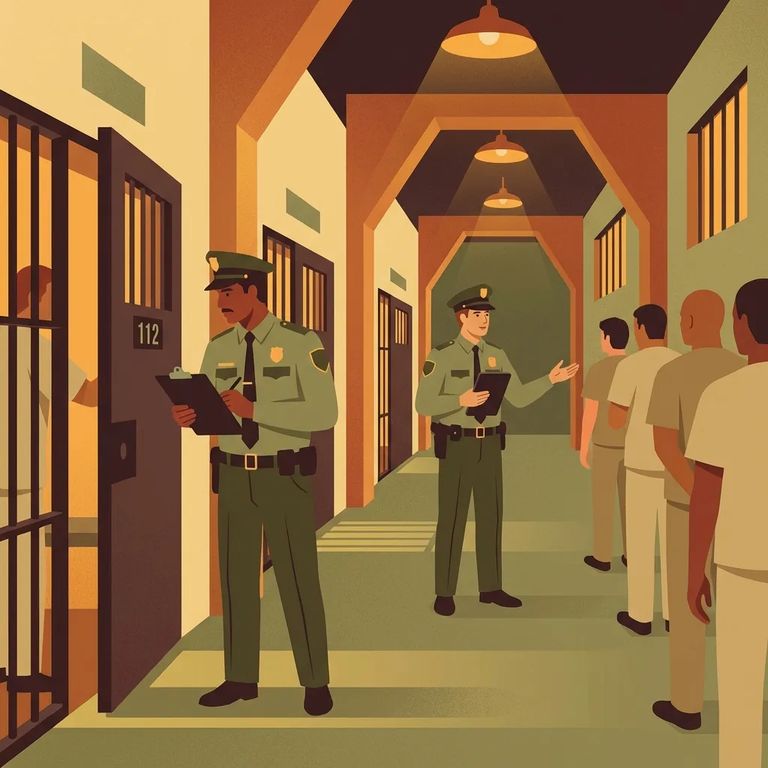
Red Flags and Verification
- ✓ The source describes “Shot Callers” as a major violence driver and says they can trigger “stabbing frenzies” before they’re identified and removed.
- ✓ The source warns that when violence is elevated, even tiny disputes or minor run-ins can become lethal, including stabbings.
- ✓ The source describes politically driven groups that “hate C/O’s” and frames them as tied to historical officer murders.
Because these details come from one personal account, treat them as perspective - not confirmed, current conditions. If your loved one hints at escalating threats, pressure from influential people, or a situation that could turn violent fast, take it seriously. Verify what you can through official channels and approved support resources. Your goal isn't to "investigate" prison politics from the outside; it's to make sure your loved one has a safe plan and that you're not accidentally making things harder for them.
Find an Inmate at Eddie Warrior Corr. Center, OK
Search for a loved one and send messages and photos in minutes.