
Understanding GEO’s use-of-force rules that apply at El Centro (when staff can use force and firearms)
Worried about what staff can do during a confrontation at El Centro? GEO's written policy sets clear boundaries. Here's what the company requires—especially around force, firearms, and how to report concerns.
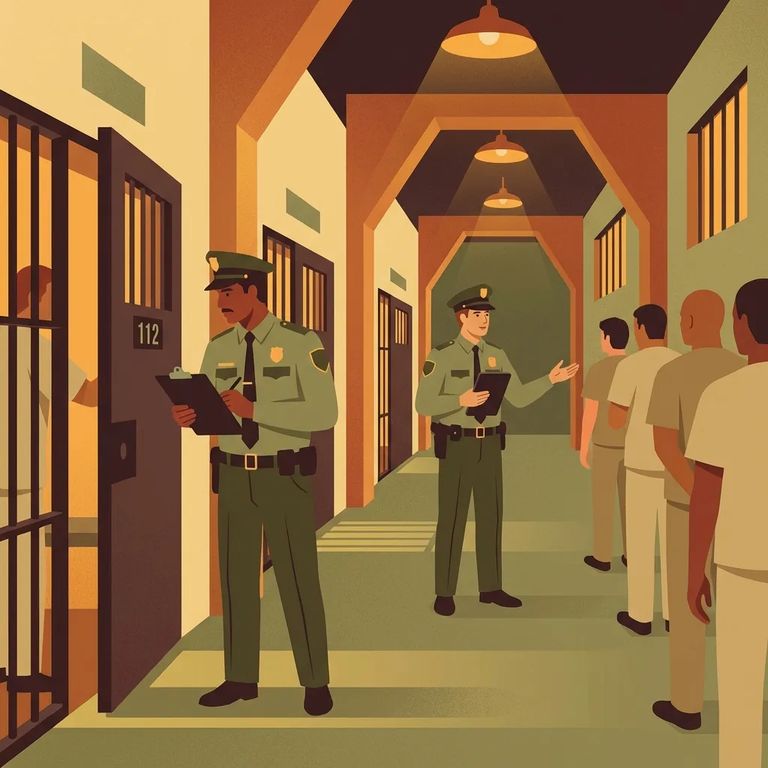
GEO's written rules for El Centro say staff should use force only when it's
Firearms get an even harder line. GEO's policy says they're permitted only for self-defense or when there's an imminent threat of death or serious bodily harm. That language matters - it limits firearm use to the most extreme scenarios, when someone faces life-threatening danger. Not just because a situation is tense or someone isn't complying.
Key boundary: Under GEO policy at El Centro, firearms are allowed only for self-defense or an imminent threat of death or serious harm.
Training is another safeguard. GEO's policy says field staff at El Centro receive at least 40 hours of training per year, including sessions on GEO's Code and its Global Human Rights Policy. Staff aren't just told the rules once - they're required to revisit these standards through ongoing training.

What happens when someone believes a policy line was crossed? GEO describes multiple accountability layers. Employees and third parties can report potential violations through a confidential, anonymous toll-free hotline managed by an independent provider. On top of that, GEO's Board of Directors and the Board's Human Rights Committee oversee the implementation and effectiveness of the Global Human Rights Policy that governs El Centro.
- ✓ A confidential, anonymous toll-free hotline is available for employees and third parties to report potential violations.
- ✓ The hotline is managed by an independent third-party provider (not handled directly by facility staff).
- ✓ Reports made through this channel are described as both confidential and anonymous in GEO’s policy.
Oversight: GEO says its Board of Directors and the Board’s Human Rights Committee oversee how the Global Human Rights Policy is implemented and whether it’s effective.
- Write down what you know right away - dates, times, names (if known), housing unit, any injuries described, and what you were told.
- Ask your loved one about the grievance process - GEO’s policy says people in custody have formal and informal grievance options, including secure channels like drop boxes and informal discussions with facility leadership.
- Use the reporting channel GEO describes if you’re reporting a policy violation - GEO’s policy says staff and third parties can report potential violations through a confidential, anonymous toll-free hotline managed by an independent third party.
After a use-of-force incident, families often feel stuck - what can you do besides call the facility? GEO's policy says people in custody at El Centro have both formal and informal grievance options: secure drop boxes and the ability to raise concerns directly with facility leadership. For broader accountability, GEO's Board of Directors and the Board's Human Rights Committee oversee how the Global Human Rights Policy is implemented. That's useful context if you're wondering how concerns are supposed to move beyond the moment into an actual review process.
Find an Inmate at El Centro Detention Facility, CA
Search for a loved one and send messages and photos in minutes.