
What Happens to Commissary Money at El Paso County Jail (And Why It Matters)
If you're putting money on someone's account, it helps to know how the commissary system works—and where the "extra" money from sales actually goes. Here's how El Paso County Jail's commissary operates, how commissions are handled, and what recent audits reveal about oversight.
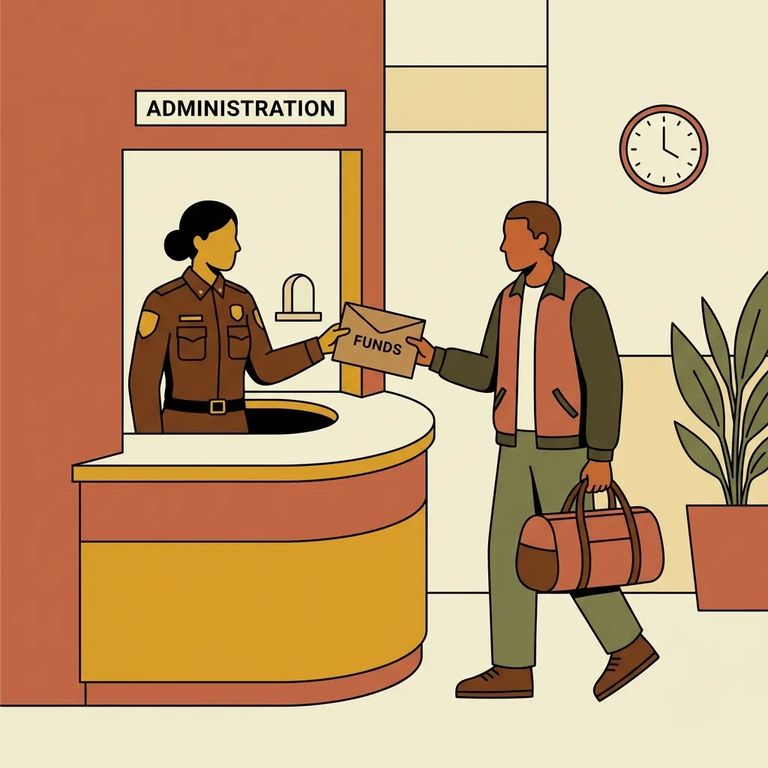
Aramark Corporation runs the commissary at El Paso County Jail. The commissary is essentially the jail's store - inmates use it to buy everyday items that make life a bit more manageable: personal hygiene products, snacks, stationery, phone time. Knowing who operates it helps you understand where the money actually goes.
Here's something families often don't hear upfront: the jail doesn't just keep commissary money as a lump sum. According to the County Auditor, sales commissions get deposited into something called the Commissary Inmate Profit Fund. That fund isn't a blank check. Its use is governed by Texas law - specifically, Local Government Code § 351.0415(c), which defines what kinds of inmate-related spending are allowed.
Oversight matters when you're the one sending money. A County Auditor internal audit covering October 2021 through December 2022 tested seven financial controls using 137 samples. The result? No findings. That means auditors didn't identify control problems in the areas they examined - reassuring if you've wondered whether anyone's actually tracking this.
Older audit work shows why those controls matter. A 2018 audit uncovered problems that could directly affect inmate accounts: out of sampled return order credits, 14 (19%) were never applied to the inmate's account. That same audit documented fraudulent ACH debits hitting the inmate trust bank account in April, May, and June 2018 - totaling $2,117.35.
The audit also documented what happened next. After the missed return credits surfaced, Aramark provided updated written procedures for processing inmate order credits - tightening up the system so credits don't get lost. On the banking side, BITS committed to a written policy requiring inmate trust bank reconciliations within 45 days of month closing, which catches issues faster. One detail from 2018 shows why timing matters: an ACH dispute for a Verizon Wireless transaction of $122.72 was denied because it was submitted after the bank's 60-day dispute window.
Note: The 2018 findings were concrete - missed return credits and fraudulent ACH debits. The follow-up included documented procedure updates and stronger reconciliation requirements. That context explains why the later "no findings" audit results actually mean something.

The bottom line for families: commissary spending doesn't disappear into a black box. Sales commissions go into the Commissary Inmate Profit Fund, which is restricted to spending allowed under Local Government Code § 351.0415(c). And the most recent internal audit (October 2021–December 2022) tested seven financial controls with 137 samples and found no issues. If you've worried about whether anyone's watching the system, that's the clearest recent evidence that controls were reviewed and held up.
- ✓ Keep your deposit and purchase records (screenshots, receipts, confirmations) so you can spot missing credits quickly.
- ✓ If something looks off, raise the issue right away - timing matters when disputes have deadlines.
- ✓ Ask for documentation when you need it, including the County Auditor’s commissary audit information for the period you’re concerned about.
- ✓ When you’re tracking a specific problem (like a missing return credit), write down dates, amounts, and what item/order it relates to before you call or email.
Find an Inmate at El Paso County Jail, TX
Search for a loved one and send messages and photos in minutes.