
How to Contact an Inmate at El Paso County Jail, CO (CO)
If you're trying to reach someone at El Paso County Jail, the clearest facility-specific guidance available covers personal mail. Here's how to send it correctly, and what to double-check before mailing anything important.
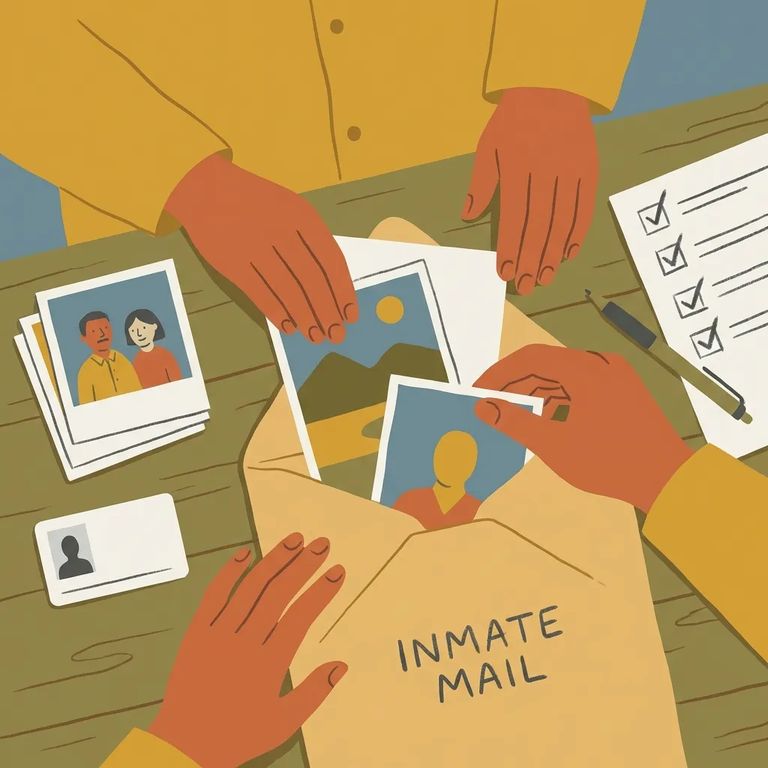
At El Paso County Sheriff's Office (EPSO), incoming personal mail doesn't go straight to the jail. It's routed through a third-party scanning facility, where it's opened, scanned into an electronic document, and then made available through the jail's internal process.
Take your time addressing the envelope. EPSO requires all personal incoming mail to include a legible full return address with your first and last name, plus the inmate's full name and inmate number. If the writing is hard to read or any details are missing, your mail can be sent back.
Heads up: Bound materials, or anything that opens like a book, can't be processed by EPSO's third-party mail vendor. These items will be rejected and returned to the sender.
Do not send money in the mail: EPSO says funds sent to the personal mailing address will not be processed.
Steps to Follow
- ✓ Write clearly and include everything required: your full return address (with your first and last name), plus the inmate’s full name and inmate number.
- ✓ Expect your letter to be opened and scanned at a third-party mail scanning facility, then converted into an electronic document for the jail’s review process. Don’t mail anything you can’t afford to have opened and digitized.
- ✓ Do not send bound items or materials that open like a book. Those will be rejected by the third-party vendor and returned to you.
- ✓ Do not mail cash or other funds to the personal mailing address. EPSO says funds sent that way will not be processed.
Before you send anything time-sensitive, confirm the current rules around the third-party scanning process. Ask what formats are accepted, what gets rejected, and whether there are size or layout limits that affect how mail scans and becomes available electronically. Also worth confirming: how the jail treats scanned copies versus originals, since the original is opened at the scanning facility, not at the jail itself.
- Get the official inmate money instructions. Use EPSO’s official resources to confirm the approved way to add funds, since mailed funds to the personal mailing address are not processed.
- Ask what happens if someone mails money anyway. Confirm whether it is returned to the sender or handled another way.
- Confirm the exact payment channel before you pay. If there is an outside payment vendor, kiosk option, or specific payment form allowed, get the vendor name and acceptable payment types directly from the official instructions.
If your goal is to help someone get released (not just contact them), verify bonding details directly with the jail. EPSO policy states a sheriff must release a defendant within six hours after bond is set, payment is prepared, and the jail is notified, unless extraordinary circumstances exist. For bonds posted online, that six-hour clock starts when payment is submitted (or when an electronic power of attorney is filed). The policy also says only the bond amount is required to secure release. A $10 bond fee and up to a 3.5% credit card payment fee may be charged as a debt after release if a surety or third-party payer chooses not to pay those fees at the time of bonding.
Note: Bond timelines and potential post-release fees are part of the release process, not the personal mail process. Don't assume mail rules tell you anything about how bonding payments are handled.
Find an Inmate at El Paso Criminal Justice Center, CO
Search for a loved one and send messages and photos in minutes.