
Understanding Bank Levies, Wage Garnishments, and Exemptions in Kern County
Dealing with a bank levy or wage garnishment in Kern County? The fastest way to avoid delays is knowing exactly what the levy does, what the Civil Section needs from you, and how exemptions work.

A bank levy lets creditors seize funds from your checking or savings account. It's different from an earnings withholding order (wage garnishment), though both serve the same purpose: collecting on a judgment by reaching money you have access to. The difference? A levy targets funds sitting in an account, not your paycheck.
In Kern County, levies and earnings withholding actions go through the Sheriff's Civil Section. If you're a Registered Process Server (RPS) planning to serve a levy, you can't serve first and figure it out later. You'll need to coordinate with the Civil Section beforehand - they review the paperwork and issue you a levying officer file number before you can proceed.
Bank Levy Docs
- ✓ Payment for service (fees must be prepaid unless you have a valid, court-issued fee waiver from a State of California court)
- ✓ Original instructions
- ✓ Original writ
- ✓ Writ declaration (if applicable)
- ✓ Copies of the writ: one for the financial institution
- ✓ Copies of the writ: one for each judgment debtor
- ✓ One additional copy of the writ
The Kern County Sheriff's Civil Section accepts several payment types for service fees: cash (with limits on coins), money order payable to Kern County Sheriff, cashier's check payable to Kern County Sheriff, or a pre-printed personal check from within California payable to Kern County Sheriff. Credit cards are also accepted, subject to current policies.
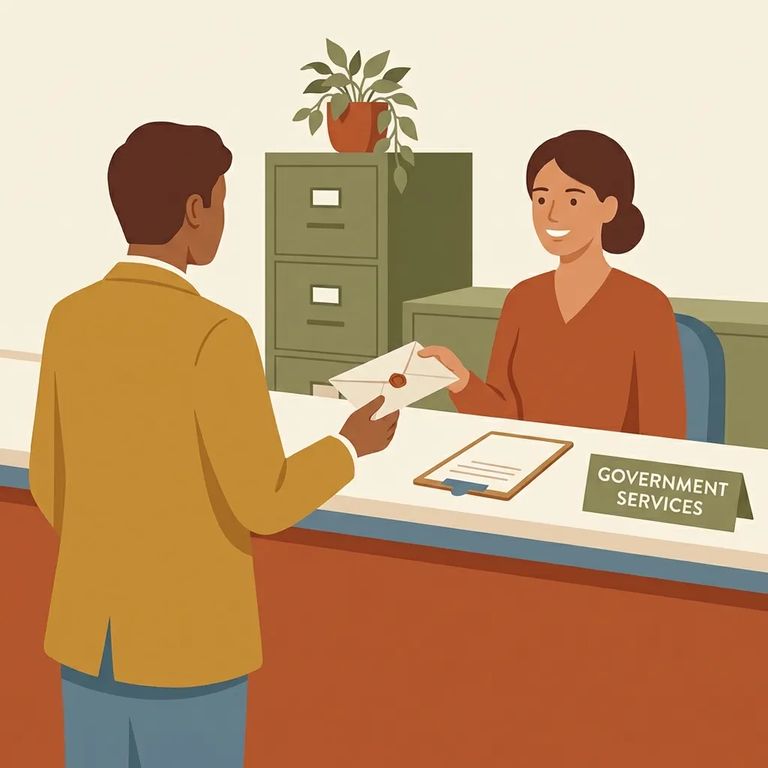
- Submit the required originals - Provide the Civil Section with the original writ of execution and original instructions, or submit the application for an earnings withholding order.
- Include complete document sets and copies - Bring a complete and legible set of documents for each person being served, plus the copies needed for the Sheriff’s file.
- Pay the fee (or bring a fee waiver) - Fees must be prepaid unless you present a valid court-issued fee waiver from a State of California court at the time of service.
- Get your levying officer file number - Civil Section staff will review what you submitted and provide a levying officer file number, which you must have before you serve the levy documents.
Details matter here - missing pieces slow everything down. For non-writ processes, the original instructions must be signed by the attorney of record (or by the plaintiff if there's no attorney). You'll also need a complete, legible set of documents for each person being served, plus one complete copy for the Sheriff's file. Requesting substitute service? Include an extra copy of all documents for each person, along with the proper fee or a court-issued fee waiver.
If your wages are being garnished and you can't cover basic expenses, California law lets you claim an exemption under Code of Civil Procedure section 706.051. To do this, file with the levying officer an original and one copy of Judicial Council form WG-006 (Claim of Exemption), plus an original and one copy of form WG-007 (Financial Statement).
Note: File your claim of exemption with the levying officer. Submit the original and one copy of both WG-006 and WG-007 to the correct office.
Once a levy is assigned and processed, the Civil Section mails a receipt for service fees to the attorney of record address on the writ. If an employer or garnishee sends a written response, they'll mail a copy to the address on your instructions. Waiting for movement on your case? The Civil Section asks that you hold off at least 30 days from the processing date before requesting a status update - and status requests must go through email.
Want to avoid a rejected submission or stalled levy? Focus on getting it right the first time: correct originals, the right copies, and signed instructions. For RPS work especially, don't serve levy documents until you've submitted the original writ of execution and original instructions (or the application for an earnings withholding order), paid the fee, and received your levying officer file number from the Civil Section.
Find an Inmate at Facility 8
Search for a loved one and send messages and photos in minutes.