
Mail, Books, and Publications at FCI Cumberland: What Families Need to Know
Mail rules at FCI Cumberland can feel strict, but they're predictable once you understand the categories. Here's what you need to know about general vs. special mail, how books and subscriptions must be sent, and what happens if something gets rejected.
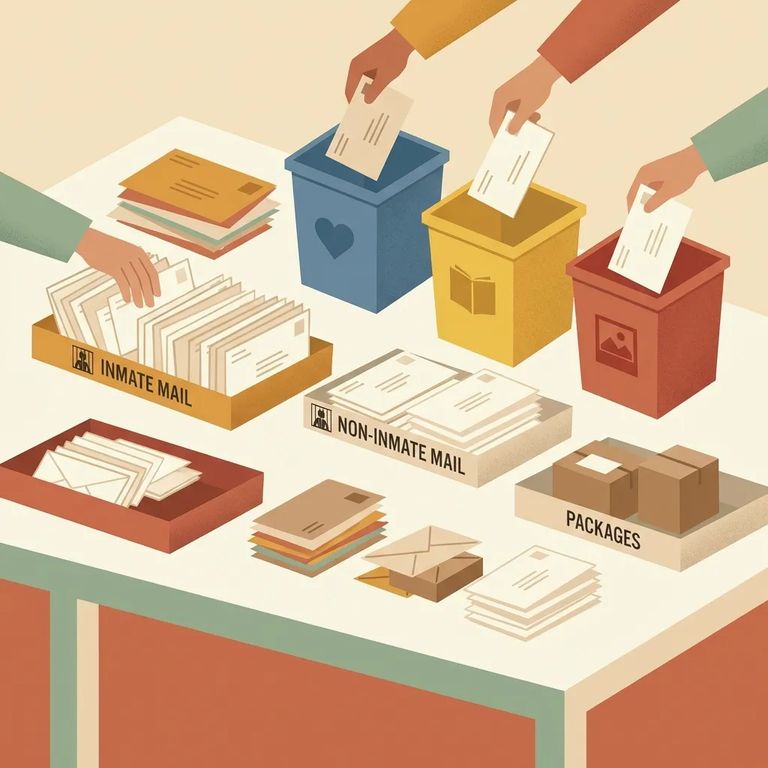
At FCI Cumberland, mail falls into two categories: general mail and special mail. This distinction matters. It determines how your loved one's mail is processed, how much privacy it receives, and what staff can do during inspection.
General mail covers regular personal correspondence - letters and similar items. Staff open and inspect incoming general mail, checking for contraband and screening content that could threaten institutional security. If you're writing, know that this mail isn't private. Staff can read it.
Special mail (also called legal or privileged mail) gets different treatment - but it must qualify and be properly marked. When clearly identified as special mail, it can only be opened in the inmate's presence. Staff can still check for physical contraband and verify that enclosures actually qualify as special mail.
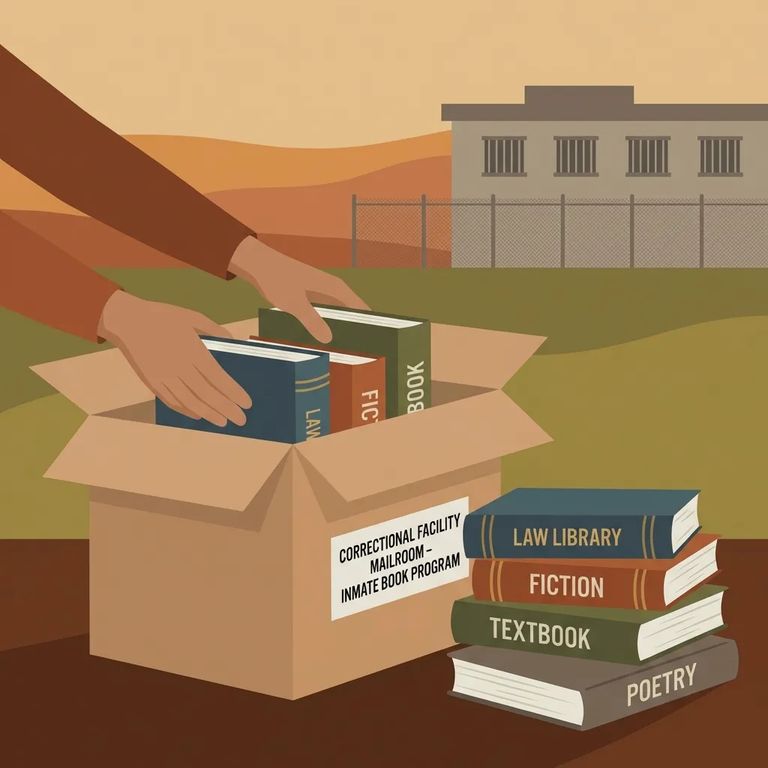
Want to send reading material? Pay close attention to the source. At Bureau of Prisons facilities like FCI Cumberland, hardcover publications and newspapers must come directly from the publisher, a book club, or a bookstore. "I bought it and mailed it myself" is usually why items get refused. Order through an approved commercial source instead.
- ✓ Packages from home aren’t allowed unless the inmate has prior written approval from their unit team or other authorized staff.
- ✓ The only home packages that may be received are those containing release clothing and authorized medical devices.
Subscriptions and other commercial publications are generally allowed without prior approval. The catch is content: nothing that threatens institutional security, discipline, or good order - and nothing that could facilitate criminal activity. Stick to mainstream commercial sources and avoid anything that could be seen as promoting illegal activity. That reduces your chances of rejection.
When a book, magazine, or newspaper gets rejected, the decision isn't arbitrary. The Warden can only reject a publication if it's deemed detrimental to institutional security, good order, or discipline - or if it might facilitate criminal activity. That's the standard staff use when deciding whether an item reaches your loved one.
Note: Under a federal restriction often referred to as the Ensign Amendment, commercially published material that is sexually explicit or features nudity must be returned to the publisher or sender by the Warden or designee.
When a publication gets rejected, there's a paper trail. The Warden must document the reasons and notify both the inmate and the publisher. If you sent it (or ordered it for them), that notice is your starting point for understanding what went wrong and what you can do next.
One frustrating detail: if a publication is returned, the inmate can't review it while administrative appeals are pending. To resolve the issue, you'll need to work from the rejection notice and coordinate with the publisher or sender on returns, replacements, or other next steps that follow the institution's process.
Find an Inmate at FCI Cumberland, MD
Search for a loved one and send messages and photos in minutes.