
Sending Books and Magazines to Someone at FCI Edgefield: what's allowed and what gets rejected
Sending reading material is one of the easiest ways to support someone at FCI Edgefield—as long as you follow BOP publication rules. Here's what's allowed, what gets rejected, and what happens if a book or magazine doesn't make it through.

Under Bureau of Prisons (BOP) policy, inmates can subscribe to or receive publications without prior approval. The catch? Content matters. If a publication threatens institutional security, discipline, or good order - or could facilitate criminal activity - it can be rejected.
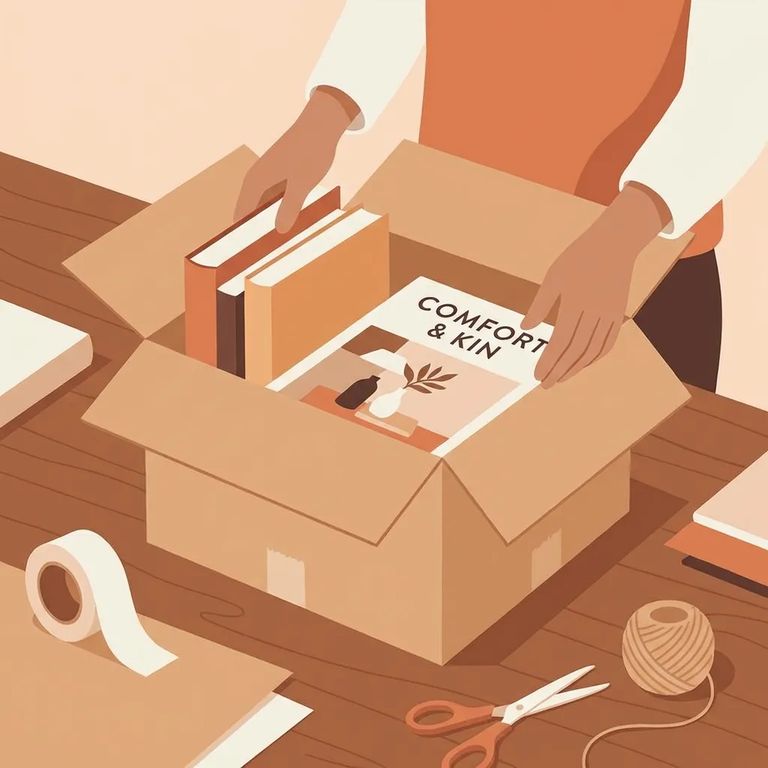
Your safest bet is shipping books and magazines directly from the publisher. BOP policy is strict about hardcovers and newspapers: they can only come from the publisher, a book club, or a bookstore. Whatever you send, make sure the return address is clearly visible on the package - missing or unclear sender information can cause problems during mailroom screening.
Softcover items like paperbacks and magazines have different rules depending on the facility's security level. At medium, high, and administrative institutions, softcovers are treated like hardcovers - they must come from the publisher, a book club, or a bookstore.
Minimum and low security facilities are more flexible. Softcover publications (except newspapers) can come from any source. Since rules vary by security level, confirm the facility type before ordering - especially if you planned to mail a paperback from home.
Even when shipped correctly, publications can be rejected based on content. BOP policy allows exclusion of materials that describe how to build weapons or explosives, detail escape methods or include facility blueprints, explain how to brew alcohol or manufacture drugs, are written in code, encourage violence or group disruption, or instruct someone to commit crimes. Sexually explicit material can also be rejected if it threatens security, good order, or discipline, or facilitates criminal activity. One important detail: only the Warden (or Acting Warden) has authority to reject an incoming publication.
Note: Only the Warden (or Acting Warden) can reject a publication. Rejections are tied to safety, security, discipline, good order, or preventing criminal activity - not personal preference.
When a publication is rejected, the Warden must notify the inmate in writing and explain why. The notice has to identify the specific articles or materials considered objectionable - not just a vague "not allowed." The inmate must also be allowed to review the objectionable material to prepare an appeal through the Administrative Remedy Program, unless letting them see it would pose a security threat.
Practical Steps
- ✓ Order books and magazines to ship directly from the publisher whenever possible.
- ✓ For hardcover books and newspapers, use only the publisher, a book club, or a bookstore.
- ✓ Make sure the sender’s address is clearly printed on the outside of the package.
- ✓ Save order confirmations and receipts so you can quickly identify what was sent if there’s an issue.
- ✓ If something is rejected, have your loved one use the written notice (including the specific cited passages) to prepare an appeal through the Administrative Remedy Program.
Find an Inmate at FCI Edgefield, SC
Search for a loved one and send messages and photos in minutes.