
What You Can Mail to an Inmate at FCI Edgefield: Letters, Packages, and Publications
Mail rules feel strict at first, but they're predictable once you understand how the Bureau of Prisons categorizes things: general mail, special mail, packages, and publications. Here's what typically gets through at FCI Edgefield—and what usually gets stopped in the mailroom.
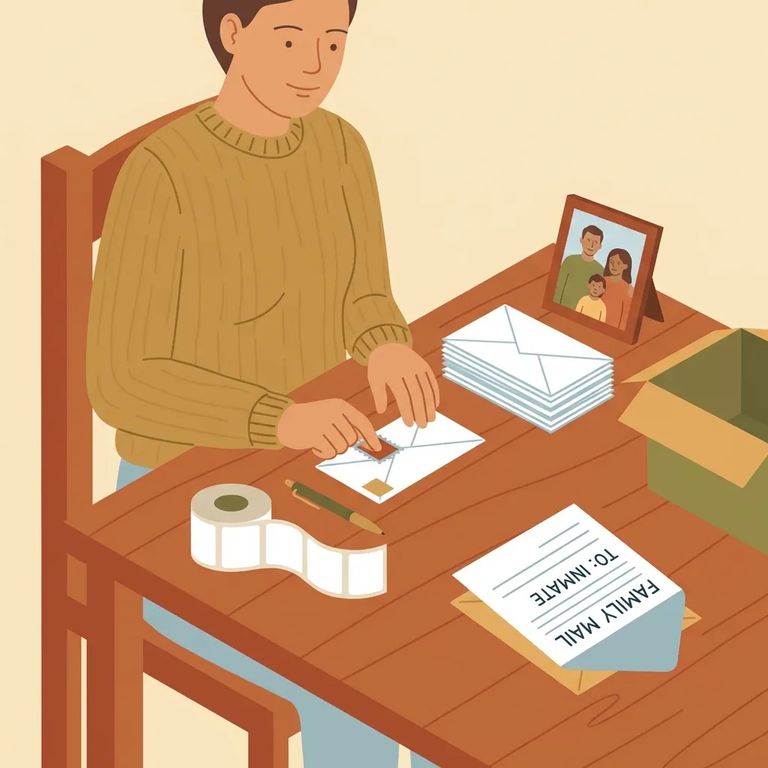
Most letters you send to someone at FCI Edgefield count as general correspondence. Staff open and inspect this mail in the mailroom, screening for contraband and anything that could threaten security or order inside the facility.
Special mail works differently. When it's properly marked, staff can only open it with the inmate present. They still check for physical contraband - but unlike general correspondence, it doesn't get opened privately in the mailroom first.
Expect every piece of incoming mail at FCI Edgefield to be checked. The difference is who's there when it's opened. General correspondence gets opened and screened by staff as part of routine contraband and security checks. Properly marked special mail? That's opened only with the inmate present, and staff verify that any enclosures actually qualify as special mail.
Note: Even when you follow the rules, mail can be held up if staff believe it contains contraband or content that threatens the security or good order of the institution.
Packages trip people up more than anything else. At FCI Edgefield, inmates can't receive packages from home unless the unit team (or another authorized staff member) gives prior written approval. Send a package without that written okay, and it'll likely be refused.
Two narrow exceptions usually don't require special authorization: release clothing and authorized medical devices. Outside those categories, assume you need written approval before sending anything that qualifies as a package - even if you're trying to help.
Publications are often the easiest way to send something more substantial than a letter. At FCI Edgefield, inmates can subscribe to or receive commercial publications without prior approval - as long as the content isn't considered detrimental to security, discipline, or good order, and doesn't facilitate criminal activity. A magazine or book can get through when a care package can't, but it still has to meet the facility's safety standards.
Common rejection reasons: A publication can be rejected if it depicts or describes weapon construction or use, encourages or instructs criminal activity, or contains sexually explicit material that poses a threat to the security, good order, or discipline of the institution.
When a publication gets rejected, it's because the facility determined it crosses into material that's detrimental to security, discipline, or good order - or could facilitate criminal activity. That decision happens at the institution level, with review by the Warden under BOP policy. The rejected item won't be delivered to the inmate and is typically returned through administrative channels.
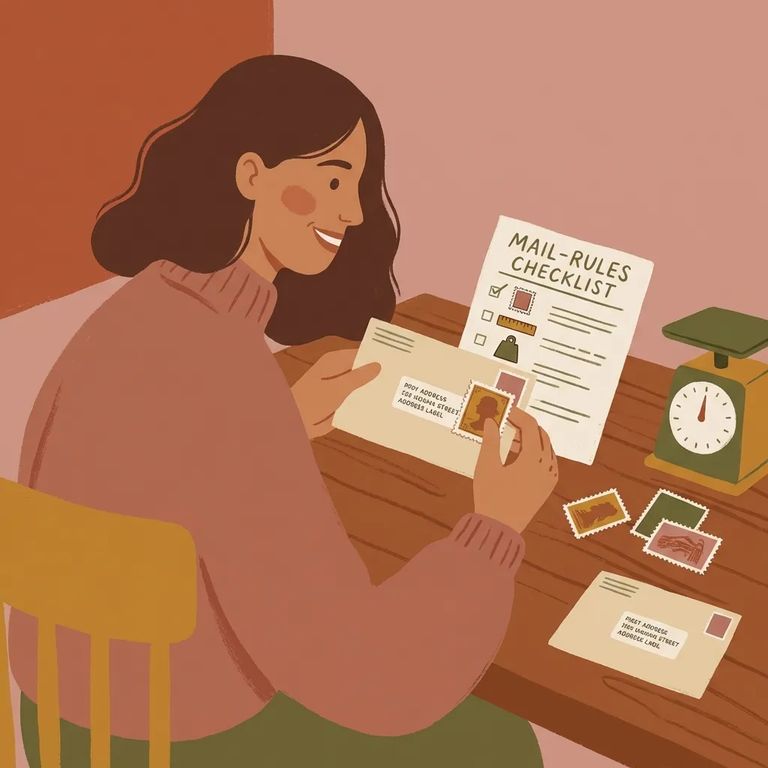
Practical Tips
- ✓ Send letters knowing general correspondence is opened and inspected by staff.
- ✓ If you’re sending special mail, make sure it’s clearly and correctly marked so it’s opened only in the inmate’s presence.
- ✓ Don’t mail a package from home unless the inmate’s unit team (or other authorized staff) has given prior written approval.
- ✓ If you’re sending something from home without special authorization, keep it limited to release clothing or authorized medical devices.
- ✓ For reading material, stick to commercial publications that won’t be seen as harmful to security, discipline, good order, or as facilitating criminal activity.
- ✓ Avoid publications that include weapon-making/use, instructions or encouragement for criminal activity, or sexually explicit content that could be viewed as a security threat.
Reminder: At FCI Edgefield, packages from home generally require prior written approval - except for release clothing and authorized medical devices.
Find an Inmate at FCI Edgefield, SC
Search for a loved one and send messages and photos in minutes.