
5 Things to Know About Phone Calls from FCI La Tuna
Phone calls are one of the fastest ways to stay connected—but they come with rules. Here are five practical things to know about calls from FCI La Tuna so you're not caught off guard.

Mail, photos, messaging, and phone/call options for staying in touch.
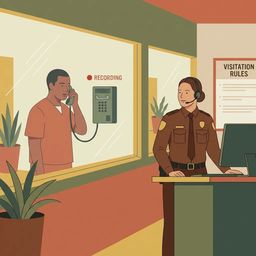
FCI La Tuna uses TRULINCS for electronic messaging. Messages are text-only with a 13,000-character limit. Using TRULINCS requires consent to monitoring, and messages are screened for content that could jeopardize safety or security. TRULINCS operations at this facility are funded entirely through the Inmate Trust Fund—commissary and telephone profits plus TRULINCS fees—not taxpayer dollars. Phone calls are monitored and recorded. A notice next to each inmate phone states this clearly. Third-party or alternative call arrangements aren't permitted. Unmonitored calls to attorneys are allowed in certain circumstances, and access to internal systems is limited by role-based clearances to minimize data access.
Search for a loved one and send messages and photos in minutes.

Phone calls are one of the fastest ways to stay connected—but they come with rules. Here are five practical things to know about calls from FCI La Tuna so you're not caught off guard.
Getting calls from someone at FCI La Tuna? Here's what you should know about the rules, monitoring, and what the phone system tracks.
Yes. TRULINCS messages require consent to monitoring and are screened for content that could jeopardize safety or security.
TRULINCS is funded entirely by the Inmate Trust Fund using profits from commissary, telephone services, and TRULINCS fees. No taxpayer dollars fund TRULINCS at this facility.
No—third-party or alternative call arrangements are not permitted for inmate telephone service at FCI La Tuna. Unmonitored telephone calls to attorneys are allowed in certain circumstances, following facility procedures.
No—FCI La Tuna does not allow packages from home without prior written approval. The only items explicitly permitted from home are release clothing and authorized medical devices.
Yes. General incoming mail is opened and inspected for contraband and prohibited content before it’s delivered to the inmate. If it’s specially marked as legal/confidential, it’s handled and opened only in the inmate’s presence.
Put the inmate’s full name and ID number on the envelope, along with the facility name and state, and include your full return address. Use plain or ruled white paper, and check with the facility for any page or photo limits before sending.
Before you can visit someone at FCI La Tuna, you need to be on their approved visiting list and cleared by the Bureau of Prisons (BOP). The approval process is straightforward once you understand who handles what and which paperwork needs to go where.

Getting approved to visit FCI La Tuna starts well before you arrive at the front door. Here's how the Bureau of Prisons (BOP) approval process works, the form you'll need to complete, and what happens after you submit it.

Before sending money through MoneyGram ExpressPayment, confirm the person has physically arrived at a Bureau of Prisons (BOP) facility. Sending funds too early—before they're in BOP custody—means the deposit won't reach them, and sorting it out is a hassle.