
How Federal Prison Phone Calls Work (and Who Pays)
Federal prison phone rules can be confusing—especially when it comes to cost, monitoring, and what's allowed. Here's how the Bureau of Prisons (BOP) handles calls, and what you can do to avoid surprises.

Phone calls in federal prison are a privilege, not a right. The BOP provides phone access so inmates can maintain ties with family and community contacts. That's the whole point - keeping relationships and support systems intact during incarceration.
Note: Every phone has a posted notice warning that calls are monitored. Assume someone could be listening, and keep conversations focused.
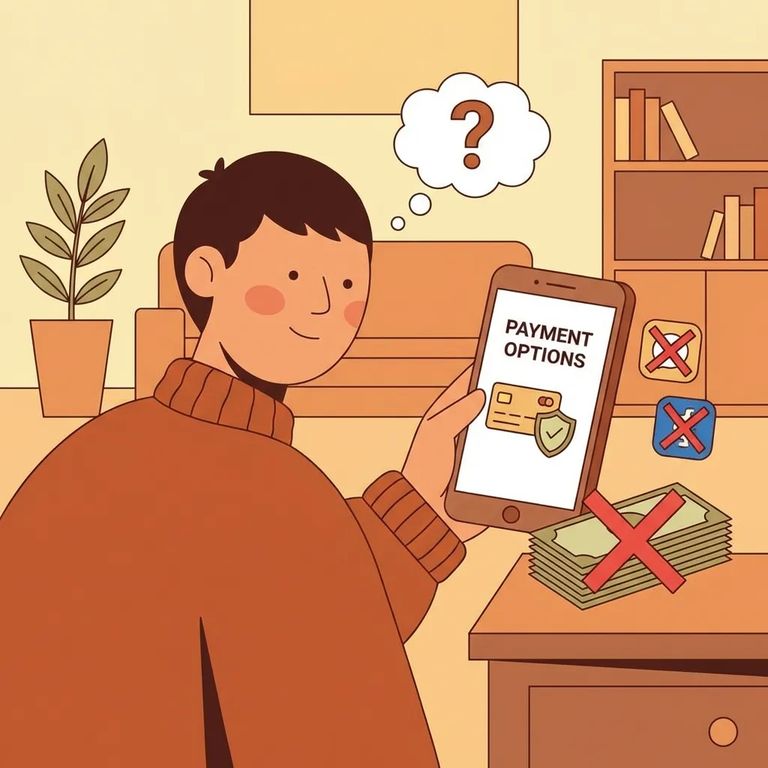
Usually, the inmate pays for calls. But in some cases, the receiving party covers the cost instead. If you're the one answering, confirm the billing setup with the institution beforehand so you're not caught off guard.
The BOP can restrict or change phone privileges at any time for security reasons. If access suddenly shifts - fewer calls, different hours, stricter rules - monitoring concerns or institutional policies are usually behind it.
Third-party calls and alternative call arrangements aren't allowed. This is a security measure to prevent misuse of the phone system. Plan on calls going through the standard BOP process - no workarounds.
Attorney calls work differently. The BOP allows unmonitored calls to attorneys in certain situations, though there are still procedures that govern when and how they happen. If your loved one needs to speak with counsel, ask the institution about the process so the call gets set up correctly.
Practical Tips Receive Calls
- ✓ Call the prison ahead of time to confirm what’s permitted, especially after transfers or if approvals (like a visiting list) may not be in place yet.
- ✓ Ask who normally pays for calls at that institution, and whether there are cases where the receiving party pays.
- ✓ Confirm what call types are used there (for example, whether the person receiving the call may be responsible for charges in some situations).
- ✓ If costs or permissions seem unclear, get the answer directly from the institution before you accept or plan around regular calls.
- Call the institution before you plan around calls - this is especially helpful if your loved one was recently moved or if approvals may not be fully set up yet.
- Ask how phone calls are paid for - confirm whether the inmate pays in the ordinary course, and whether there are situations where you (the receiving party) would pay.
- Clarify any limits or conditions you should expect - institutions can impose conditions on telephone privileges.
- If legal calls are involved, ask about the attorney-call process - unmonitored attorney calls are allowed in certain circumstances, but they typically require following specific procedures.
Remember: All federal prison calls are monitored, and third-party arrangements aren't allowed. When deciding who should receive calls, plan for the standard process.
Find an Inmate at FCI Terre Haute, IN
Search for a loved one and send messages and photos in minutes.