
What to Wear to a Federal Prison Visit (BOP Dress Code Checklist)
Show up in the wrong outfit and you won't get through the door. The Bureau of Prisons (BOP) expects visitors to dress as they would for a large public gathering—staff can turn you away for anything inappropriate, provocative, or revealing.
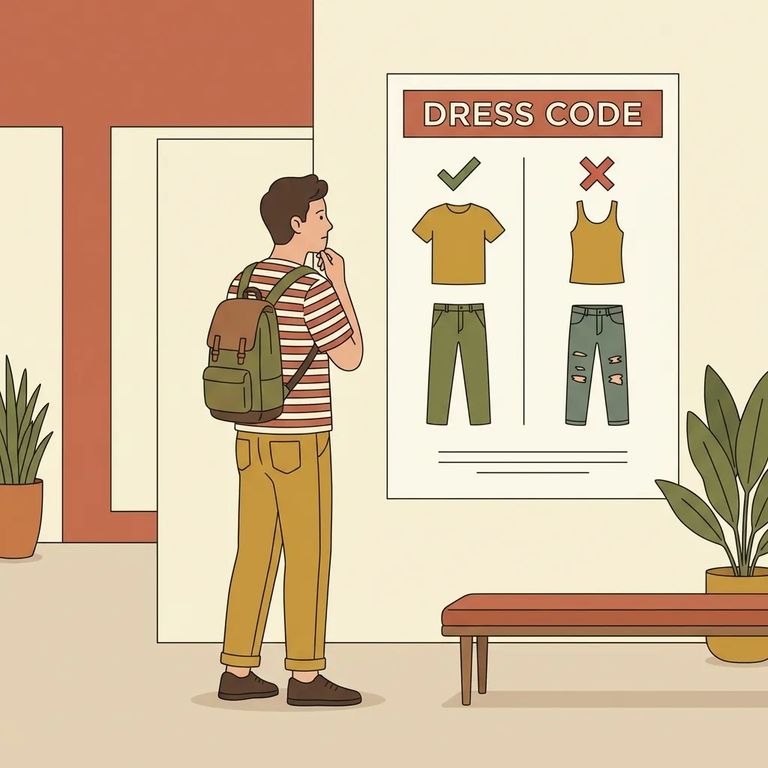
Think of it this way: dress like you're going somewhere with men, women, and kids of all ages. The BOP is straightforward about this - provocative or revealing clothing gets you denied. If you're second-guessing whether something works, go with the safer option. It's not worth driving all that way just to be turned around at check-in.
Reminder: Call the prison ahead of time to make sure your visit will be permitted and to confirm any institution-specific visiting rules before you drive out.
Prohibited Items
- ✓ Revealing shorts
- ✓ Halter tops
- ✓ Bathing suits
- ✓ See-through garments of any type
- ✓ Crop tops
- ✓ Low-cut blouses or dresses
- ✓ Leotards
- ✓ Spandex
- ✓ Miniskirts
- ✓ Backless tops
- ✓ Hats or caps
- ✓ Sleeveless garments
- ✓ Skirts two inches or more above the knee
- ✓ Dresses or skirts with a high-cut split in the back, front, or side
- ✓ Clothing that looks like inmate clothing (khaki or green military-type clothing)
Here's one that catches people off guard: don't wear anything that looks like inmate clothing. Skip khaki pants and green military-style outfits - you don't want to match what incarcerated people are issued. Even if your clothes are otherwise modest, that resemblance alone can get you stopped.
- Dress for a public, family setting - Aim for modest, non-revealing clothing since provocative or revealing outfits can get you denied.
- Bring a simple cover-up - If you’re unsure about a neckline, sleeve length, or fit, wear layers so you can adjust without losing the visit.
- Skip khaki and green “military-type” looks - Clothing that resembles inmate attire is generally not permitted.
- Call ahead when you’re unsure - A quick call to the institution can save you a wasted trip if the visit won’t be permitted or if the facility has stricter local rules.
Tip: If you’re debating an outfit, pick the more conservative choice - staff can deny visitation for clothing they consider inappropriate.
Turned away for your outfit? Stay calm. Ask staff exactly what the problem is so you know what to change. If you can swap into something more conservative - or just remove the offending item - try again. Before your next visit, call ahead to confirm everything. It's the easiest way to avoid another surprise.
Find an Inmate at FCI Terre Haute, IN
Search for a loved one and send messages and photos in minutes.