
How Phone Calls Work at FMC Butner: Who Pays, Monitoring, and Record Retention
Phone calls are one of the main ways you'll stay connected with someone at FMC Butner. Here's what you need to know about payment, monitoring, restrictions, and how long call records are kept.
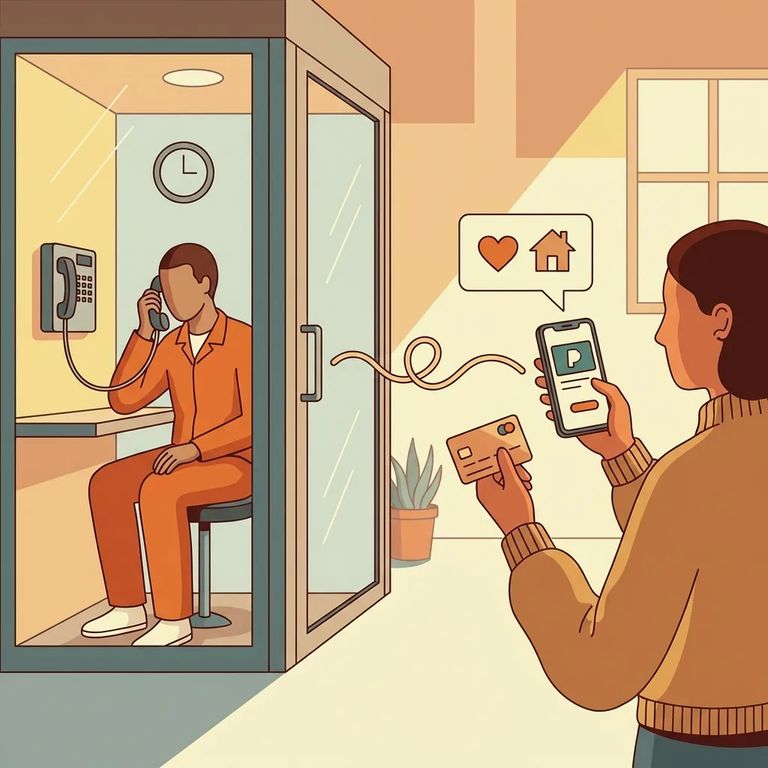
Usually, the person incarcerated at FMC Butner pays for calls. In some cases, the person receiving the call can pay instead - but by default, the cost falls on the inmate. Phone access comes with limits and conditions, which the facility enforces as part of its management responsibilities.
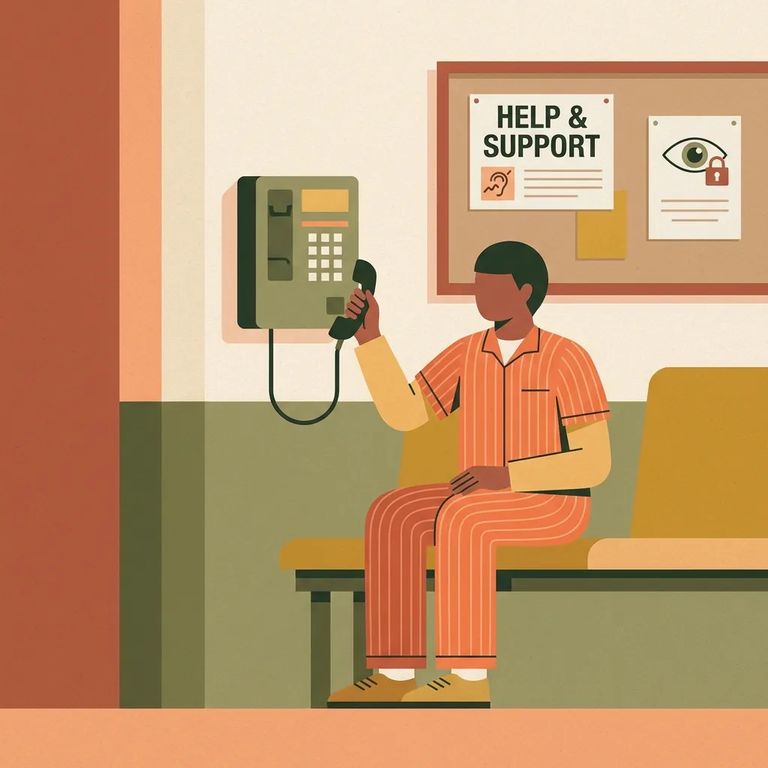
Inmates at FMC Butner are told upfront that phone calls are monitored. A notice is posted next to each telephone making this clear. Assume any regular call may be listened to or reviewed.
Attorney calls work differently. Unmonitored calls to attorneys are allowed in certain circumstances, giving inmates the ability to have confidential legal conversations when applicable.
Third-party or alternative call arrangements aren't allowed. If you want to stay in touch, stick with the normal calling process - don't try routing calls through another person or setup.
The Bureau of Prisons uses a system called TRUFONE to manage inmate phone communications. TRUFONE collects and stores call data, including contact information tied to those communications.
Record retention: Call recordings in TRUFONE are deleted after 180 days, or sooner if no longer needed for legal or administrative purposes.
Find an Inmate at FMC Butner, NC
Search for a loved one and send messages and photos in minutes.