
What You Can (and Can't) Mail to Someone at FMC Butner: Books, Magazines, and Packages
Mail rules at FMC Butner are strict—but manageable once you know the system. Understanding the difference between general mail, special mail, and
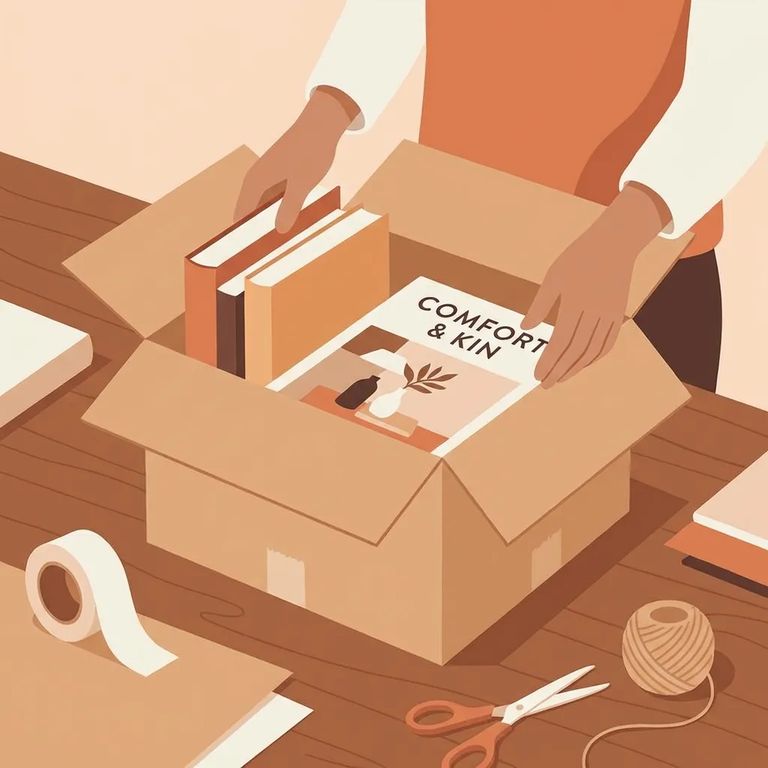
Most letters you send are treated as general mail. General correspondence is opened and inspected by staff, both for physical contraband and for content that could threaten the security or good order of the institution. If you’re mailing a regular note, photos, or other everyday correspondence, assume it will be handled this way as part of normal mailroom screening.
Special mail is handled differently, but it isn’t “no inspection.” Incoming mail that’s marked as special mail may only be opened in the inmate’s presence. Staff can still inspect it for physical contraband, and they can also check whether anything enclosed actually qualifies to be treated as special mail. The key difference is when it’s opened and who is present - not whether it’s screened.
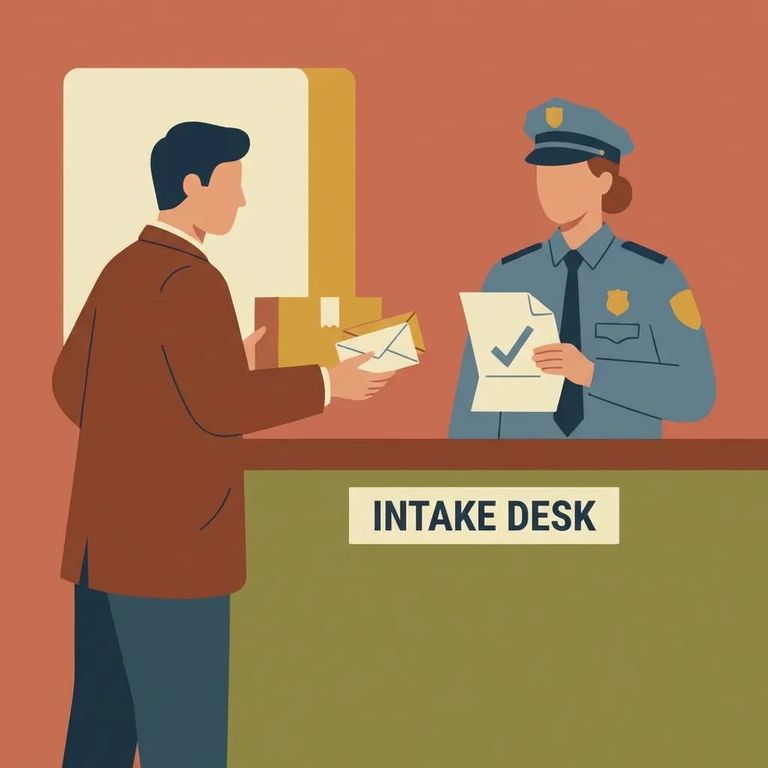
For most people, the biggest surprise is packages. At FMC Butner, inmates are not allowed to receive packages from home unless there’s prior written approval from the inmate’s unit team or another authorized staff member. So before you spend money boxing things up, make sure your loved one has the needed written approval on their end - otherwise the package can be refused.
- ✓ Release clothing
- ✓ Authorized medical devices
Books and subscriptions are usually the safest way to send something meaningful - if you follow the source rules. Hardcover publications and newspapers can only be received if they come directly from the publisher, a book club, or a bookstore. In other words, don’t mail a hardcover from your own home or ship one that looks “secondhand” from a personal return address.
Softcover items can be just as strict, depending on the institution type. At medium security, high security, and administrative institutions, softcover publications - like paperback books, magazines, and newspaper clippings - may only be received from the publisher, a book club, or a bookstore. If you’re ordering a paperback or magazine for someone at FMC Butner, the simplest way to avoid problems is to have it shipped directly from an approved commercial seller rather than sending it yourself.
There is an exception in the federal system for lower-security settings: at minimum and low security institutions, inmates may receive softcover publications (other than newspapers) from any source. That’s not a blanket rule you can count on everywhere, though, and it doesn’t change the newspaper restriction. When you’re unsure which rules apply to your loved one’s specific setting, ordering directly from a publisher, book club, or bookstore is the safest choice.
If a book, magazine, or other publication is rejected, there is a defined process. The Warden must advise the publisher or sender that they can request an independent review of the rejection by writing to the Regional Director within 20 days of receiving the rejection letter. That 20-day window matters - if you want to challenge the decision, you’ll want to act quickly once the rejection notice goes out.
When material can’t be distributed because of statutory restrictions, the Warden (or a designee) returns it to the publisher or sender. In practice, mailroom staff return publications found to be non-distributable with the appropriate notification attachment, so the sender has documentation showing why the item didn’t make it in. If you’re the one who ordered it, watch for that returned package and paperwork - it’s usually the clearest explanation you’ll get.
Note: When a publication is rejected and an appeal is in play, staff keep one copy on file for appeal/record purposes.
Find an Inmate at FMC Butner, NC
Search for a loved one and send messages and photos in minutes.