
Understanding ADOC Classification Reviews: What Families Should Know About Custody and Placement

If your loved one is in ADOC custody, classification shapes nearly everything - where they're housed, their custody level, and the opportunities available to them inside. Here's what you need to know about how ADOC classification reviews work, when they happen, and how your loved one can get questions in front of the right person.
ADOC conducts a formal classification review at least once a year. This yearly review is a useful benchmark for understanding when custody level or placement decisions might be reconsidered.
Beyond the annual review, your loved one's file gets reviewed every six months specifically to assess eligibility for custody and placement changes. So movement decisions aren't just a once-a-year thing - there's a built-in six-month checkpoint focused on whether a change in custody level or housing is warranted.
Classification covers more than just "minimum vs. medium vs. close custody." The six-month review focuses on custody and placement eligibility, but classification decisions also shape the broader plan - where someone is housed and what they're working toward while incarcerated. This includes security level and how placement aligns with both institutional needs and the individual's situation.
When a review leads to a change, daily life can shift significantly - especially if it affects placement or opens up new options. Work assignments are one example: ADOC uses a Job Placement Board to assign institutional jobs. If your loved one is waiting on a job change or hearing about one, it's often tied to this broader classification process.
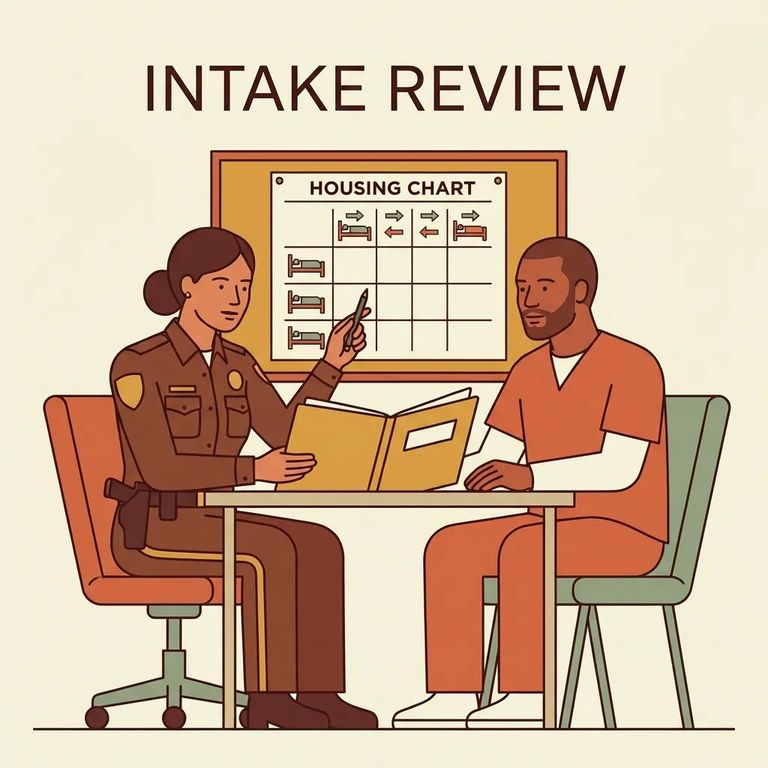
After reception, each person is assigned a Classification Specialist. This is the key contact inside for classification recommendations and ensuring your loved one is properly classified and connected to the programs they need.
- Write a request to classification - Your loved one can contact their assigned Classification Specialist by submitting a request slip.
- Be specific about the question - It helps to ask about the exact issue (custody level, placement questions, or where they are in the review cycle) so the specialist can respond to the right topic.
- ✓ Sign up for the Classification Specialist’s Open House meetings to speak with them directly.
Note: ADOC handbook language explains how inmates are reviewed and how they can contact classification, but it doesn't outline a family-facing process for requesting reviews or getting updates directly.
- ✓ Ask your loved one to submit a request slip to their Classification Specialist with the specific question you’re trying to answer (for example: whether a six-month review has occurred, or whether they’re eligible for a custody/placement change).
- ✓ Encourage them to sign up for Open House if they need a real-time conversation rather than waiting for a written response.
- ✓ Keep a simple timeline on your end (arrival/reception date, major program completions, detainer changes you know about, and approximate six-month/annual marks) so your questions to your loved one are clear and easy to pass along.
- ✓ If you need policy clarification beyond what your loved one can request internally, contact the facility or ADOC administration and ask what the approved family communication path is for classification questions.
Find an Inmate at Frank Lee Work Release, AL
Search for a loved one and send messages and photos in minutes.