
How to Contact an Inmate at Facility
Staying in touch is usually straightforward once you know the call limits and how phone funding works. Below are the details we have from the facility, plus what you should confirm before setting anything up.

Mail, photos, messaging, and phone/call options for staying in touch.
Greensville Corrections Center handles inmate calls through GTL/ConnectNetwork. To pay for calls, set up a prepaid AdvancePay account. For billing or account support, call 1-800-483-8314. All calls on the VADOC inmate phone system are recorded and monitored, except properly verified attorney calls. Phone privileges can be revoked for prohibited actions like trying to place incoming calls to an inmate, calling international numbers, using 700/800/888/900 toll-free numbers, or charging calls to third parties. For video visits, timing matters. Log into the GTL system about 15 minutes early for home visits, and arrive at least 20 minutes early if you're using the AFOI Visitor Center. Before getting started, confirm the vendor, create the required account, and complete identity verification. Contact the vendor (not facility staff) for technical or billing issues.
Search for a loved one and send messages and photos in minutes.
Staying in touch is usually straightforward once you know the call limits and how phone funding works. Below are the details we have from the facility, plus what you should confirm before setting anything up.

If your letter is missing key details or includes something that's not allowed, it can get rejected before it ever reaches your loved one. Use the format and "do not send" list below to keep your mail moving through Virginia DOC.
Phone calls at Greensville come down to two things: the inmate's approved call list and the PIN/ID they use to access the system. Here's how setup works, how families can fund calls, and what to do if a PIN gets lost.
Phone calls in the Virginia Department of Corrections (VADOC) follow a set system for security, time limits, and payment. Once you understand the rules and funding options, staying in touch gets a lot easier.
Staying in phone contact with someone at Greensville Corrections Center? There are three ways to pay for calls: AdvancePay (a prepaid account you fund), PIN-debit deposits (money added to the incarcerated person's phone account), and traditional collect calls (limited). Here's how each works and what you'll need to get started.
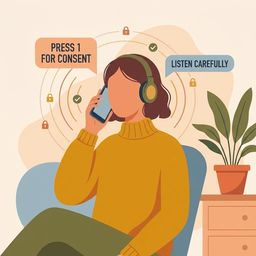
That first phone call can catch you off guardâespecially when a recorded voice starts asking you questions. Here's what those automated consent prompts mean at Greensville, what you need to say, and how monitoring works (including the exception for attorney calls).
If your loved one at Greensville says your number "isn't active," it usually comes down to one thing: the phone system won't turn on a number until the person who owns that phone line gives consent. Once you understand how consent and the 15-number limit work, troubleshooting gets much easierâand you won't waste weeks wondering what went wrong.
Use GTL/ConnectNetwork AdvancePay to fund calls with a prepaid account. For billing or account help, contact the vendor at 1 (800) 483-8314.
Yes. Calls on the VADOC inmate phone system are recorded and monitored, except for properly verified attorney calls.
Prohibited actions include trying to place incoming calls to an inmate, calling international numbers, using 700/800/888/900 toll-free numbers, or charging calls to third parties. Any of these can lead to revoked phone privileges or other sanctions.
For home video visits, log into the GTL system about 15 minutes before the scheduled start time. If you're using the AFOI Visitor Center, arrive at least 20 minutes early to check in.
Once you have written approval from the Central Visitation Unit (CVU), you're not quite done yet. There are still a couple of steps before you can walk in for your first in-person visit. Here's how scheduling works, what days visits are typically offered for general population, and what to bring so you don't get turned away at check-in.
Visiting someone at a Virginia Department of Corrections (VADOC) facility starts with getting approved through the Central Visitation Unit (CVU). Once you understand the steps, the process is pretty straightforward.
If you're trying to help someone incarcerated with calls or video visits, you'll want to understand the payment method tied to each service. Here are the two money-related systems documented for this facility.