
How to Request Inmate Records from Harris County Jail (Georgia): Steps Under State Open-Records Law
Need jail records from Harris County, Georgia? The state's Open Records Law gives you a clear path to get them. Here's how to make a request, what to expect, and what to do if you hit a wall.

Georgia's Open Records Law gives you the right to access public records held by government agencies. You can request to inspect records in person, ask for copies, or even photograph documents during an inspection. This guide covers the basics - if you're dealing with something complicated or a denial that doesn't seem right, consulting an attorney may be worth your time.
Think in terms of "records," not just "information." Under Georgia law, public records are the documents an agency creates or keeps while doing public business - and jail records often fall into that category. That said, not everything in a jail file is automatically releasable. Some records (or portions of them) may be withheld or redacted if release could interfere with an investigation, reveal protected personal information, or fall under another legal exemption. A smart request asks for what you need while acknowledging that lawful redactions may apply.
Once you submit a request, the agency must respond within the timeframes Georgia's Open Records Law sets. "Respond" doesn't always mean you get the full packet right away - often it means the agency acknowledges your request and tells you when records will be ready, or explains any delay, redaction, or denial. Broad requests, long date ranges, or files needing review for exempt material will take longer than simple ones.
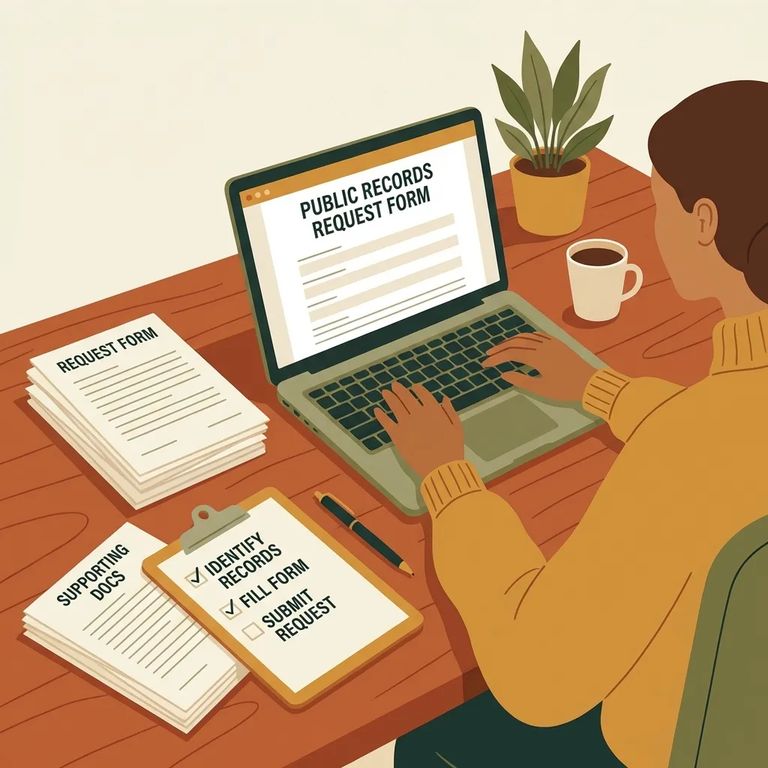
Written Request Content
- ✓ The person’s identifying details (full name, and any other identifiers you have)
- ✓ A clear description of the records you want (for example: booking record, incident report, disciplinary report)
- ✓ The date range you want searched (even an approximate range helps)
- ✓ Whether you want to inspect the records, receive copies, or both
- ✓ Your preferred format for copies (paper or electronic, if available)
- ✓ Your contact information (email, phone number, mailing address)
- ✓ The date you’re making the request
- ✓ Your signature (especially if you’re sending a paper request)
- ✓ A copy of the request saved for your own records (print or screenshot)
Clear, narrow requests move faster. Name the exact record type and give a date range - this lets the records custodian find what you need without guessing or sending back a "too broad" reply that stalls everything. Not sure what exists? You can still be specific: describe the event, the approximate date, and what kind of document you believe was created.
Georgia law lets you choose between inspecting records and requesting copies. Inspection works well if you're trying to figure out what's in a file - you can identify the pages that matter before paying for copies. If you already know exactly what you want, or can't easily visit in person, requesting copies is more practical. Either way, the underlying right is the same: access to public records, with lawful redactions where required.
Denied or stuck in limbo? Treat it like a paper trail problem first. Keep copies of what you sent, note dates, and save every response - those details matter if you need to challenge the outcome. Georgia's Open Records Law provides ways to enforce your rights when an agency doesn't respond properly or improperly withholds records. If the denial cites an exemption you don't understand, or the stakes are high (say, it relates to a criminal case), talking with an attorney about next steps may be worthwhile.
Find an Inmate at Harris County C.I.
Search for a loved one and send messages and photos in minutes.