
Understanding the Prison Grievance Process: What Families Should Know
If someone you love is incarcerated in North Carolina, the grievance process is one of the main ways they can formally report a problem and push for a resolution. Understanding the basic steps and deadlines helps you support them — without accidentally creating delays.

The grievance process isn't just paperwork. It can shape what options are available later. Under state and federal law, incarcerated people must exhaust administrative remedies before filing a lawsuit against the State of North Carolina, the NC Department of Adult Correction (NCDAC), or its employees. If a problem is serious enough that legal action might be considered down the road, completing every grievance step protects that path.
The Inmate Grievance Resolution Board (IGRB) handles appeals that make it through the earlier steps. It has jurisdiction over grievances filed under the Administrative Remedy Procedure established in Article 11A of Chapter 148 of the North Carolina General Statutes. Think of it as the "outside the facility" review stage.
Your loved one shouldn't have to figure out the grievance process from scratch. Upon admission, each person receives written notification and a verbal explanation of how it works. If they're unsure what to do next, remind them: the facility is supposed to provide this information.

Timing can make or break a grievance. With some exceptions, grievances must be filed within 90 days of the incident. Wait too long, and your loved one may lose the chance to use the process for that specific issue - even if the underlying problem is real.
- ✓ Step 1 (after the grievance is accepted): A designated staff member reviews the grievance, investigates the facts, and files a written response with supporting documentation within 15 days.
- ✓ Step 2 (after an appeal to Step 2): Within 20 days, the facility head or designee reviews the Step 1 findings, does any necessary additional investigation, and provides a written response to the person who filed the grievance.
When a grievance reaches Step 3, it moves beyond the facility. The prison electronically transmits the appeal to the IGRB, where a grievance examiner reviews it. For families, this is a meaningful shift: the appeal has reached the Board stage, not just the prison's internal decision-makers.
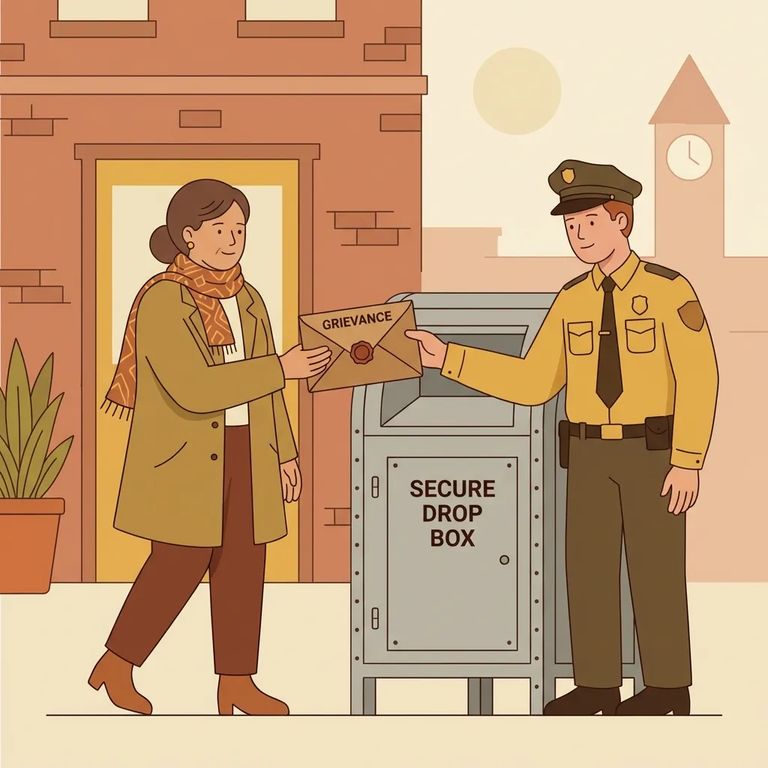
Note: Grievance information is confidential under North Carolina law and isn't public record. This limits what details your family can get directly - whether a grievance was filed, what it says, or how it turned out.
- ✓ Ask your loved one to use the written and verbal instructions they received when they were admitted, especially if they’re unsure how to start.
- ✓ Encourage them to act quickly - with some exceptions, a grievance generally needs to be filed within 90 days of the incident.
- ✓ Help them track timing once it’s accepted: Step 1 includes an investigation and a written response with supporting documentation within 15 days.
- ✓ If they appeal to Step 2, remind them the facility head (or designee) must review the Step 1 findings, do any additional investigation needed, and provide a written response within 20 days of the Step 2 appeal.
- ✓ If they move to Step 3, know that the facility electronically transmits the appeal to the IGRB, where it’s assigned to a grievance examiner.
Following the steps can feel frustrating when something is clearly wrong. But the grievance process is the system in place - and it matters more than it might seem. The IGRB has jurisdiction over appeals filed through the Administrative Remedy Procedure, and state and federal law require people in custody to exhaust those remedies before filing a lawsuit. Even when the goal is simply getting an issue addressed, moving through the process correctly keeps future options open.
Find an Inmate at Hyde Correctional Institution
Search for a loved one and send messages and photos in minutes.