
Meeting with a Lawyer at Irwin County Detention Center: Hours, Privacy, and What to Expect
Legal visits are meant to be accessible and private—but you'll save time and stress by confirming the schedule and entry requirements before you travel. Here's what standards require at Irwin County Detention Center and how to plan around them.
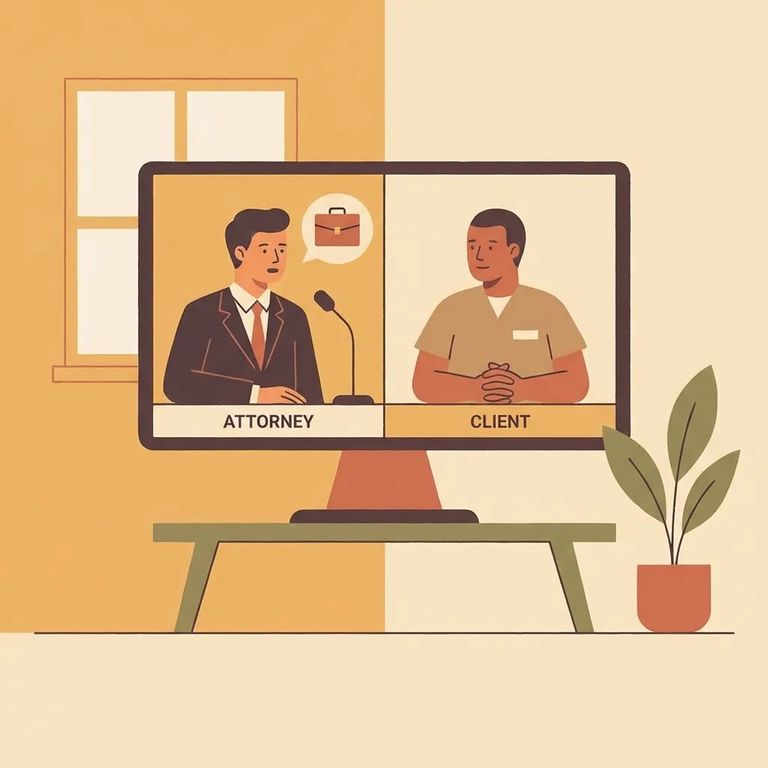
Irwin County Detention Center must post visitation rules and hours where detainees can easily see them, including in housing units. The schedule and procedures also have to be available to the public and by phone - either a live voice or a recording - so you can verify details before showing up.
On regular business days, the facility must allow at least eight hours for legal visits. That means there's a substantial window during the day when attorneys and legal assistants can meet with a detained client. Plan your arrival around the posted legal-visitation hours rather than assuming a quick drop-in will work.
Legal visitation is available seven days a week, including holidays - at least four hours per day on weekends and holidays. If you're traveling from out of town or need to meet on a non-business day, confirm the posted hours first. Weekend and holiday windows are often shorter.
- ✓ Check the facility’s posted legal-visitation hours before you leave, since the rules and hours must be posted for detainees and publicly available.
- ✓ Call the facility and listen for (or request) the visitation rules and hours by phone.
- ✓ If you’re planning a weekend or holiday visit, confirm the shorter minimum window still works for your schedule.
- ✓ Ask for anything you’ll need to know to get the visit completed smoothly (for example, whether the person is available to be brought to legal visitation when you arrive).
Before each legal visit, legal representatives and legal assistants must present appropriate identification. That can include a state bar card, a DOJ/EOIR accreditation document, or a letter of authorization showing you're working under an attorney's supervision. Bring your credentials every time - ID is checked before each visit, and missing paperwork slows things down.
- ✓ State bar card (from any state)
- ✓ DOJ/EOIR accreditation documentation (if applicable)
- ✓ Letter of authorization from the supervising attorney (if you’re a legal assistant)
- ✓ Backup copies of key credentials, in case staff need to review verification details
Legal meetings are private. Visits between legal service providers (or legal assistants) and a detainee are confidential and not subject to auditory supervision. This matters when you need to discuss sensitive facts, strategy, or deadlines.
The facility must make private consultation rooms available for attorney-client meetings. If there's a delay getting a room when you arrive, be clear: you're there for a legal visit and need a private consultation space.
Note: Routine official counts should not terminate attorney visits, but staff may still end a visit to maintain security. If your meeting is interrupted, ask what steps you need to take to resume as soon as possible.
If you bring documents to share during a legal visit, the facility may inspect written materials for safety reasons - but staff may not read them. Detainees are also entitled to keep legal materials they receive for their personal use, so you should be able to leave copies with your client when appropriate.
- ✓ Keep legal paperwork organized so it can be inspected quickly without staff flipping through more than necessary.
- ✓ Bring duplicate copies of anything time-sensitive you’re leaving with your client.
- ✓ If a document needs to stay confidential, state clearly that it’s legal material being provided during a legal visit.
- ✓ If you believe staff are reading (not just inspecting) legal documents, write down the date/time and what happened so you can address it through the appropriate channels.
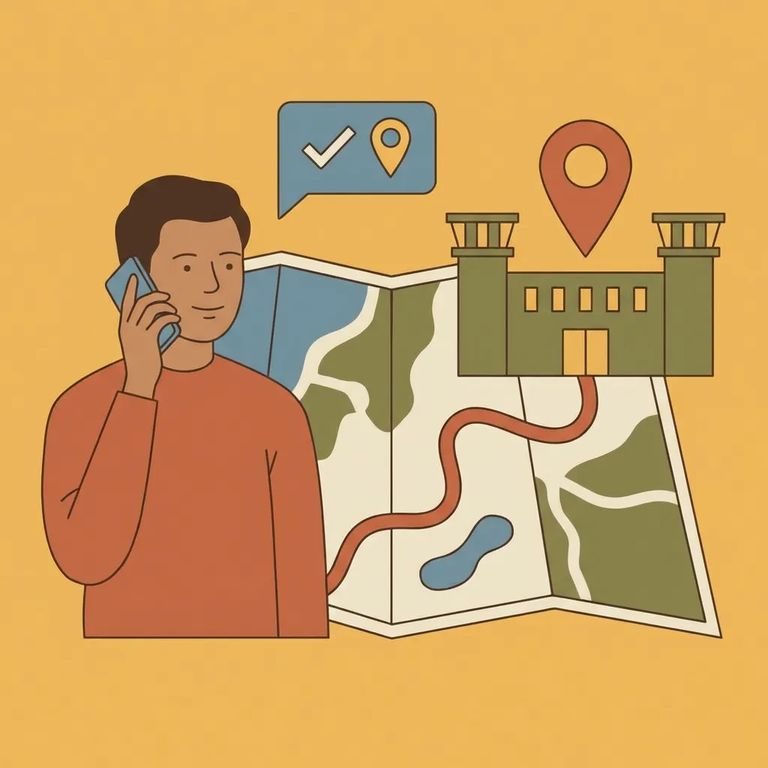
Call ahead before you travel. The facility must have a written procedure that lets legal service providers and legal assistants phone in advance to confirm whether someone is detained there. This prevents wasted trips when someone has been moved or released.
- Call ahead before you drive out - ask whether the person is currently detained at the facility.
- Confirm the legal-visitation schedule by phone - the facility must provide the rules and hours to telephone callers via live voice or recording.
- Verify what you need for entry - double-check what identification you’ll be expected to show at check-in so you aren’t turned away for missing credentials.
Find an Inmate at Irwin County Detention Center, GA
Search for a loved one and send messages and photos in minutes.