
Restorative Justice Programs in California Prisons: Can You Participate in a Victim‑Offender Dialogue?
Victim-Offender Dialogues (VODs) are a specific type of restorative justice process available in California correctional settings. If you're a survivor, a surviving family member, or supporting someone considering a dialogue, here's what VODs are, who facilitates them in California, and what support you can expect.
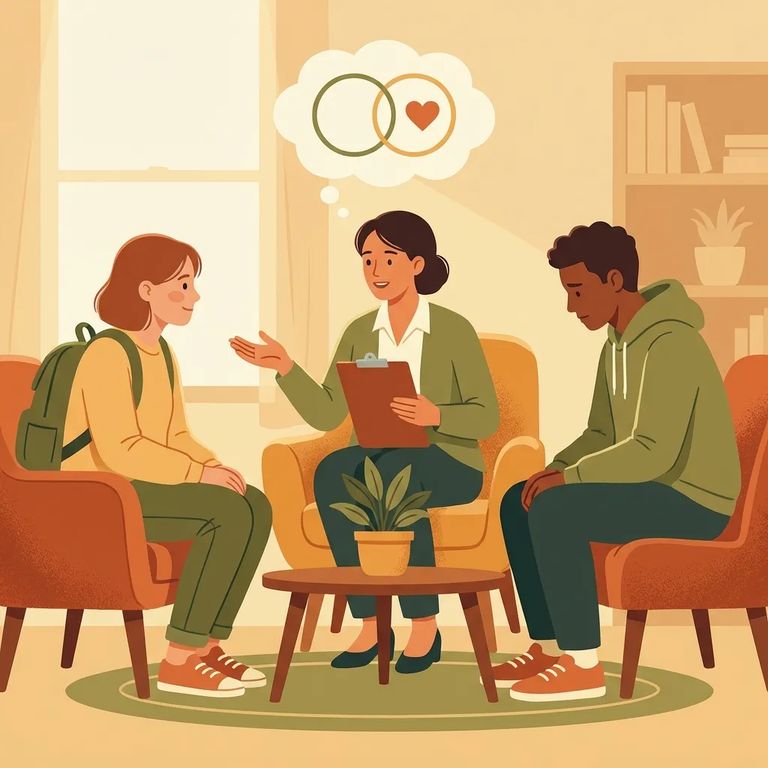
A Victim-Offender Dialogue (VOD) is a structured, facilitated conversation between the person harmed and the person who caused harm. The goal isn't forgiveness or reconciliation - it's creating a carefully supported space where questions can be asked, experiences shared, and accountability addressed directly. In California, these dialogues may happen at a correctional facility. Some programs also facilitate them in the community. The setting and format depend on the provider and circumstances, but the core idea stays the same: a trained facilitator helps everyone communicate safely and respectfully.
Several organizations facilitate Victim-Offender Dialogues in connection with California's prison system. Mend Collaborative facilitates VODs at California correctional facilities. They also work in federal facilities and communities throughout California - worth knowing if you're exploring options beyond a single institution. Restorative Justice for Me (RJMP) offers dialogues between victims or surviving family members and an offender who is currently incarcerated or on parole. They partner with the California Department of Corrections and Rehabilitation (CDCR). If the person who caused harm is still in custody or out on parole, this partnership typically shapes how the process gets coordinated.
Note: Program availability and the way a dialogue is arranged can vary by facility and situation. Confirm current options directly with the provider and, when needed, the specific CDCR facility or parole office.
A well-run VOD centers on preparation and support - not just a single conversation in isolation. Mend Collaborative describes preparing and supporting survivors who share their experiences through in-prison restorative justice programs. That preparation helps you think through what you want from the process, what you don't want, and what you need to feel grounded before, during, and after any dialogue. Mend also facilitates survivor support groups and provides ongoing support in collaboration with other VOD providers. For many people, having a space to talk with others who understand the complexity - and support that continues after the dialogue - is what makes participation feel possible. VODs typically involve the person harmed and the person who caused harm. But sometimes the responsible person hasn't been identified, isn't available, or lacks capacity. In those cases, a dialogue may still happen with incarcerated or formerly incarcerated people responsible for similar harm who want to engage.
Tip: Ask what “preparation” and “ongoing support” look like in practice - including any survivor groups, one‑on‑one support, and what follow‑up is available after a dialogue.

4
- ✓ What do you want from a dialogue (answers, being heard, accountability, a specific request, or something else)?
- ✓ What would make the process feel emotionally and physically safe for you?
- ✓ What topics are you not willing to discuss, and what boundaries do you need respected?
- ✓ What would a “good outcome” look like - and what outcomes would feel harmful or unhelpful?
- ✓ Do you have support lined up for before and after (a trusted person, a counselor, a support group)?
- ✓ Is the timing right for you, or do you need more time before taking any steps?
- ✓ If you’re supporting someone else, are you clear on whose needs and goals are leading the decision?
If you're on the fence, that's normal. A VOD is a significant step. The right choice depends on your goals, your support system, and your specific circumstances. The best next move is usually a conversation with a provider. They can explain their process, what preparation and support look like, and what needs to be confirmed with CDCR or a parole office for the particular person and location involved.
If you want to explore a Victim-Offender Dialogue connected to California prisons, two starting points are Mend Collaborative and Restorative Justice for Me (RJMP). Mend Collaborative facilitates VODs at California correctional facilities, federal facilities, and in communities across California. RJMP offers meetings between victims or surviving family members and an offender who is incarcerated or paroled, partnering with CDCR. When you reach out, ask practical questions: Are dialogues currently available for the facility or supervision status involved? What does preparation look like? What support is available to survivors and family members? What are the next steps to see if a dialogue is right for you?
Reminder: Logistics and approval steps can differ depending on the facility and whether the person is incarcerated or on parole. Confirm availability and the process with the provider and the relevant CDCR facility or parole office.
Find an Inmate at Lancaster Prison, CA
Search for a loved one and send messages and photos in minutes.