
Understanding Trauma-Informed Care in Federal Women's Prisons: What It Means for Your Loved One
If your loved one is in a federal facility that houses women, you've probably heard phrases like

In the Bureau of Prisons (BOP),
Note: The Female Offender Manual sets the BOP’s baseline expectation: facilities that house female offenders should operate with gender-responsive, trauma-informed, and culturally sensitive programs, services, and policies.
The BOP organizes its expertise on women's incarceration through the Women and Special Populations Branch. According to the Female Offender Manual, this branch serves as the agency's source of expertise for classification, management, and intervention programs and practices for females in Bureau custody. Why does this matter? It shows how the BOP aims to build consistency across facilities that house women, including Lawton Corrections. Rather than each facility creating its own approach, a dedicated branch develops and supports the overall framework. This context helps when you're trying to figure out who's responsible for women's programming. When questions come up about women-specific interventions or how trauma-informed care should look in practice, this branch sets the direction behind the scenes.
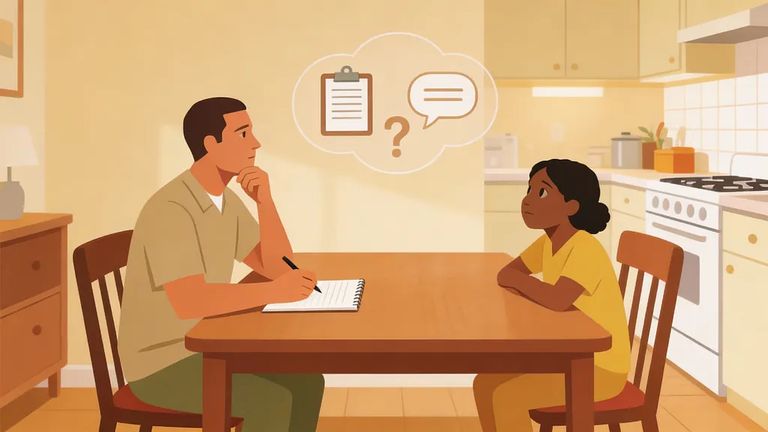
One of the clearest policy expectations families can point to is staff training. The Female Offender Manual requires all staff at institutions that house female offenders - including Lawton Corrections - to complete training developed by the Women and Special Populations Branch, plus a trauma-informed correctional care module. Beyond that initial training, staff receive refresher information locally on an annual basis. The BOP's expectation isn't just that
- ✓ Ask whether staff at the facility are required to complete Women and Special Populations Branch training for institutions housing female offenders
- ✓ Ask whether the trauma-informed correctional care module is part of required training for staff at the institution
- ✓ Ask whether local annual refresher information is provided, and what that refresher typically covers
- ✓ When something goes wrong, ask what trauma-informed practices staff are expected to use in situations like your loved one’s (without arguing the case in the first conversation)
At the policy level, trauma-informed and gender-responsive care shapes how programs and services are designed for women in custody. The Female Offender Manual frames this as providing programs, services, and policies tailored to women's unique needs - with an approach that's trauma-informed and culturally sensitive. In practice, this shows up in many ways: how staff communicate, how interventions are structured, how women's needs factor into classification decisions, and how programming is framed. The Women and Special Populations Branch serves as the organizational backbone for this approach. What policy doesn't tell you is exactly which groups, classes, or services are available at a particular facility right now. Local offerings vary, even when policy expectations are clear.
Tip: Start with the policy standard, then verify what's actually available locally. If you're asking about Lawton Corrections, get specifics from the facility about current programming and how trauma-informed practices play out day to day.

- Start with the people who know your loved one’s plan - Ask your loved one who their primary point of contact is (often unit staff or a case manager) and focus your questions on what services and programming they’re actually being offered.
- Ask directly about the policy expectations - Bring up that institutions housing female offenders are expected to use gender-responsive, trauma-informed, culturally sensitive programs, services, and policies, and ask how that shows up in the facility’s current programming.
- Ask about staff training in plain language - Confirm whether staff are required to complete Women and Special Populations Branch training and the trauma-informed correctional care module, and whether annual refreshers are provided locally.
- Request specifics you can track - Instead of “Do you have trauma-informed programs?”, ask “What program is she eligible for right now, what are the requirements, and how does she get on the list?”
- Compare what you hear with what your loved one experiences - If your loved one describes interactions that feel punitive, dismissive, or triggering, use the training and policy expectations as a framework for follow-up questions - calm, concrete, and focused on process.
Note: The BOP sets policy-level requirements for trauma-informed, gender-responsive practices and staff training in facilities that house women, but you’ll still need to confirm how those expectations are implemented at the local level.
Find an Inmate at Lawton Correctional Facility, OK
Search for a loved one and send messages and photos in minutes.