
Reentry and In-Prison Programs: What FDC Offers — Guidance for Families of People at Liberty Correctional Inst.
Understanding what the Florida Department of Corrections prioritizes system-wide—and knowing how to verify what's actually available at Liberty Correctional Institution—puts you in a stronger position to help your loved one.

If your loved one is at Liberty Correctional Institution, you're likely wondering what programs exist now and which ones will matter most when release comes. This article covers the Florida Department of Corrections' (FDC) public, system-wide approach to reentry, shares documented program examples from other FDC facilities, and walks you through practical ways to confirm what Liberty actually offers.
FDC publicly states that it
Note: A system-wide commitment doesn’t mean every institution offers the same programs. Always verify what Liberty currently provides and what your loved one is eligible for.

To get a sense of what
- ✓ Heavy equipment program - highlighted by FDC in a tour at Lowell Annex
- ✓ WOOF (canine) program - highlighted by FDC in a tour at Lowell Annex
- ✓ Equine program - highlighted by FDC in a tour at Lowell Annex
Keep in mind: These are documented examples from another FDC facility, not a list of programs at Liberty. Use them as conversation starters when you’re checking what’s available.
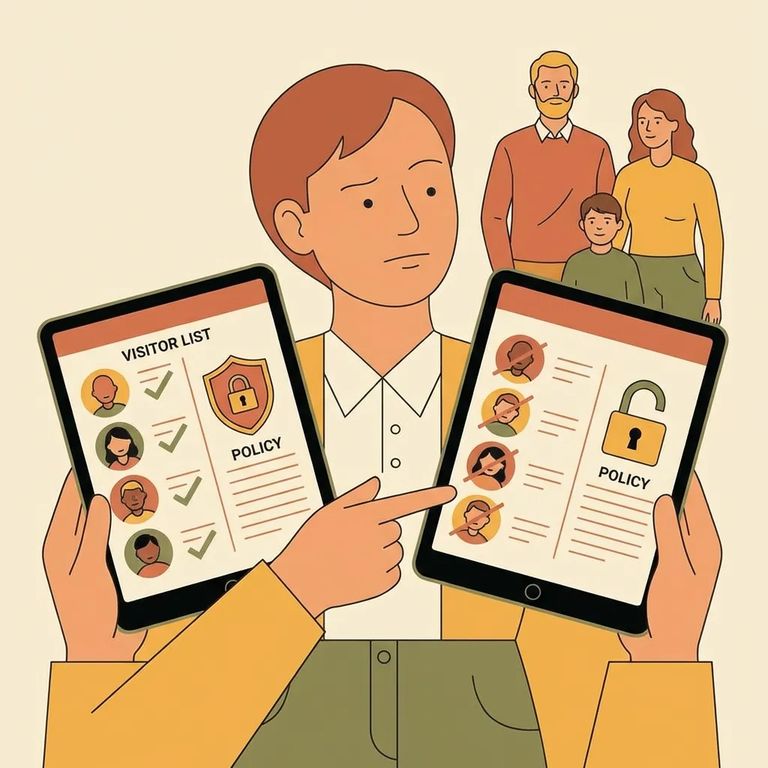
- Ask your loved one what programs are being offered right now - Have them tell you what’s posted in the dorm, what’s being announced, and what they’ve already applied for.
- Have them request the current program list through their facility contacts - Case managers, classification staff, or other designated staff can usually tell them what exists and how enrollment works.
- Get clear on eligibility and timing - Ask what the requirements are (custody level, disciplinary status, medical clearance, time left on sentence) and whether there’s a waitlist.
- Confirm the enrollment path - Find out whether sign-up happens by written request, a class call-out, a referral, or an interview.
- Follow up on barriers - If they were denied or removed, ask what the stated reason was and what would allow them to reapply.
- Keep notes and dates - Program availability and schedules can change; a simple log helps you track what was requested, when, and what response they got.
- ✓ A current program roster or “program menu” for the institution (names of programs and how to enroll)
- ✓ Any written eligibility criteria (who can apply, disqualifiers, and required clearances)
- ✓ A copy of any orientation materials or handbooks your loved one can obtain inside
- ✓ A record of applications submitted (dates, the program requested, and any response)
- ✓ Any certificates or completion paperwork they earn (useful for reentry planning later)
- ✓ The name/title of the staff role that handles programming where they are housed (so your loved one knows who to ask)
FDC occasionally spotlights tours and outreach at specific institutions. The Reception and Medical Center in Lake Butler, for example, hosted more than 45 Florida clerks of circuit courts for a tour of intake and medical operations, followed by a Q&A. That doesn't mean Liberty offers tours or outside access to programming - but it shows FDC facilities sometimes engage outside stakeholders and highlight operations in structured ways.
FDC frames reentry programming as part of reducing recidivism and supporting people returning to the community. Your support works best when it aligns with that same goal - helping your loved one stay focused on completing what they start, especially programs tied to work skills, steady routines, and documented achievements. Families often make the biggest difference on the practical side: keeping track of program names and completion dates, saving certificates and paperwork, and talking through what comes next after release. If your loved one is building a work plan, help them think through realistic job options, the training they're completing, and what documentation they'll need ready on the outside. The point isn't to pressure them - it's to make the time inside count toward a safer, more stable return.
Tip: Don’t promise a specific program is available at Liberty based on what you’ve seen elsewhere. Verify the current offerings and eligibility first, then help your loved one plan around what’s actually accessible.
FDC says it's focused on evidence-based programs that reduce recidivism and support reentry. Public updates show some facilities run hands-on training and structured animal programs. For Liberty, verification is key: use the steps above to confirm what's currently offered, what your loved one qualifies for, and how to get on the list. Then support them by keeping good records and connecting program participation to a realistic plan for release.
Find an Inmate at Liberty Correctional Inst.
Search for a loved one and send messages and photos in minutes.