
Getting Medical Records Released for Someone at Loxley: Consent, Sensitive Info, and Fees
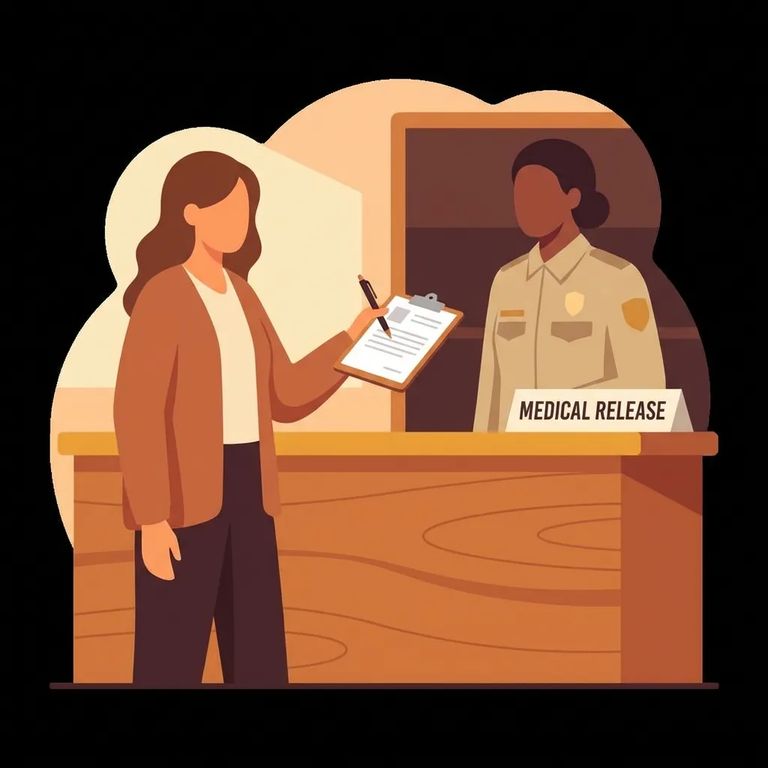
Trying to get medical records for someone at Loxley Community Work Center? Here's the baseline rule: health records can't be released without written consent (unless a federal or state law exception applies). You'll need a signed authorization before the Alabama Department of Corrections (ADOC), the health contractor(s), or the facility can share any health information with you or anyone else.
That authorization doesn't last forever - it's valid for one year from the date it was signed. If you're requesting records for an ongoing issue, keep track of that date so you don't hit delays when the consent expires.
Note: The person who signed can revoke the authorization anytime by submitting a written revocation to ADOC, the health contractor(s), or the institution. Revocation won't undo disclosures that already happened.
Sensitive Categories
- ✓ HIV (AIDS virus) testing, diagnosis, and/or treatment
- ✓ Sexually transmitted diseases testing, diagnosis, and/or treatment
- ✓ Psychiatric disorders/mental health information
- ✓ Drug and/or alcohol use history (including counseling)
Expect possible costs. State law allows a reasonable fee for producing health records. Ask what the fee will be before you submit your request - it'll save you from hold-ups later.

- Get the written authorization ready - Medical records generally won’t be disclosed without written consent, so start by using the ADOC authorization process/form.
- Decide what you’re asking for - Be clear about the health records you need. If the request involves any sensitive categories, make sure the authorization covers them.
- Include expressed consent for sensitive information (if needed) - The form requires expressed consent to release information related to HIV, sexually transmitted diseases, psychiatric/mental health disorders, and drug or alcohol use.
- Sign and date the authorization - Once signed, it’s valid for one year from the signature date.
- Submit it to the right place - Provide the signed authorization to ADOC, the health contractor(s), or the institution so they can process the disclosure.
- Keep track of changes - If the signer later wants to stop future releases, they can revoke the authorization in writing (but it won’t reverse records already disclosed under the authorization).
- Ask about fees before you wait - State law permits a reasonable fee for producing records, so confirm the amount early.
Tip: Need mental health, drug/alcohol history, HIV, or STD-related records? Make sure the authorization specifically includes consent for those categories. Missing that detail is a common reason releases get delayed.
Tip: Confirm any fees up front so you can plan for them. Keep a copy of the signed authorization - you may need to reference it during the one-year validity period.
Find an Inmate at Loxley Community Work Center
Search for a loved one and send messages and photos in minutes.