Visitation
How to Visit Facility
NCDAC offers video visiting through the Getting Out Visits app. If getting to the facility is difficult, video visits let you stay connected without the travel and check-in hassle of an in-person visit.
How to visit, scheduling, dress code, and visitor requirements
Marion Correctional Institution allows both in-person and video visits. In-person visits are by appointment only. Call or email the prison to schedule, then confirm the day before you go. Before visiting, you must be approved through a completed visitation application. Adults (16+) need an approved photo ID, and minors under 16 need a birth certificate. Incomplete or false applications can be disapproved. Each offender may have up to 18 approved visitors, with open enrollment to update the list every six months. Certain officials and approved clergy (DC-949P) do not count toward the limit. Visits are typically limited to one session per week, up to two hours, usually with up to three approved visitors per session. Expect metal detectors, searches, prohibited devices, and a strict dress code.
Search for a loved one and send messages and photos in minutes.

NCDAC offers video visiting through the Getting Out Visits app. If getting to the facility is difficult, video visits let you stay connected without the travel and check-in hassle of an in-person visit.
North Carolina prisons cap how many people can be approved to visit someone who is incarcerated. That limit affects both in-person and video visits. Once you understand the 18-person cap and the six-month open enrollment windows, planning ahead gets much easier.
North Carolina Department of Adult Correction (NCDAC) prisons offer two ways to visit an incarcerated loved one: in-person visits and video visits. The right choice usually comes down to distance, schedule flexibility, and your comfort level with the rules and tech involved.
If your money order gets rejected for Marion CI, the reason might have nothing to do with the amount or how you filled it out. North Carolina Department of Adult Correction (NCDAC) only allows trust-account deposits from people already listed as the offender's approved visitors. ViaPath/TouchPay processes these deposits, and when a money order arrives from someone not on that list, they reject it outright. This surprises a lot of families. You can be a real, supportive person in someone's life and still not be "approved" in the system. Before mailing anything, make sure the sender is on the approved visitor list. Otherwise, you're looking at delays while the payment bounces back.

Marion Correctional Institution offers both in-person and video visits. Whether a visit is contact or non-contact depends on security threat group validation and your relationship to the offender.
First, you must be on the offender’s approved visitor list with an approved visitation application. In-person visits are by appointment only, so call or email the prison to schedule and confirm the day before your visit.
You must clear a metal detector and comply with searches. Visitors 16+ are subject to pat/frisk and electronic device searches; refusing means no entry. Cellphones, smartwatches, cameras, and recording devices are prohibited. A strict dress code is enforced.
Staying in touch usually comes down to three channels: tablet messaging (including digitized mail), phone calls, and sending mail through the facility's mail processing system. Here's how it works for NCDAC facilities, and what to do first so your message doesn't get delayed or returned.

- A money order (maximum $300.00) issued in U.S. dollars - Money order made payable to “TouchPay Holdings” - The detached NCDAC deposit form included in the envelope (the form must accompany the money order) - Offender’s full name and the correct OID number filled in (double-check the OID before you mail)
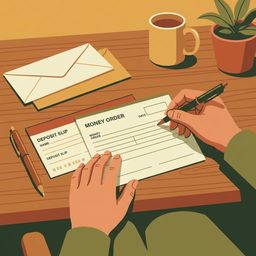
Before buying a money order or filling out the deposit slip, confirm the inmate's full legal name and OID number. Getting these exactly right prevents delays or misapplied deposits. You can verify this information through North Carolina's offender search—just search by name or offender number. The tool includes filters for status, gender, race, ethnic group, birth date, and age range to help you find the correct record.