
Why Phone Calls from Minnesota Prisons Are Now Free (And What the 15-Minute Wait Rule Means for You)
If you’ve noticed phone calls from Minnesota state prisons got easier to afford—but sometimes harder to time—you’re not imagining it. Here’s what changed in July 2023, why the 15-minute wait rule exists, and how to plan around it.

As of July 1, 2023, phone calls from people incarcerated in Minnesota Department of Corrections (DOC) facilities became no-cost. That means the person calling you isn’t charged for the call, and you aren’t charged for receiving it. For many families, this removes one of the biggest barriers to staying in touch - especially if calls were getting rationed because of cost.
Around the same time calls became free, the DOC also put a 15-minute interval between phone calls in place. The reason isn’t to make communication harder - it’s tied to safety and fairness in shared phone areas. The DOC has said the wait period helps incarcerated people access phones in a more meaningful way without being exploited or threatened by certain security threat groups (STG), and it helps staff manage phone access more safely and fairly overall.
What this means for you: After one call ends, there’s a mandatory 15-minute gap before another call can happen.
3
- ✓ Three-way calls aren’t allowed
- ✓ Call forwarding isn’t allowed
It also helps to assume phone and video conversations aren’t private. Calls can be monitored or recorded by staff, and communication between incarcerated people and the outside is monitored for security purposes. If you’re ever unsure whether something is safe to discuss, keep it general and save sensitive topics for appropriate channels.
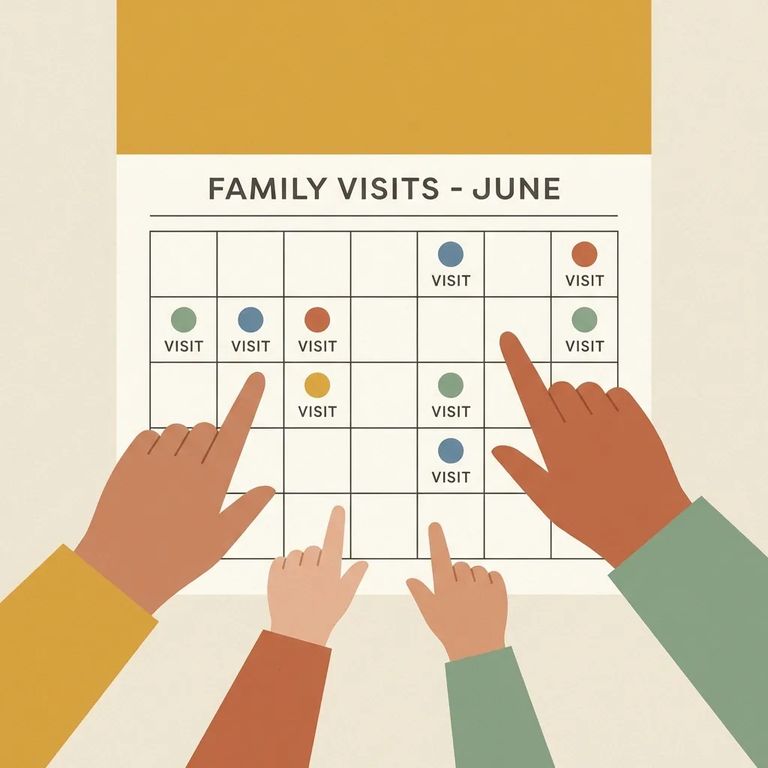
- Coordinate call windows, not exact minutes - The 15-minute interval can turn “call me right back” into a long wait. Pick a wider window you’ll both aim for so missed calls don’t spiral into repeated attempts.
- Keep the first call focused - Since calls are free, it’s tempting to hang up and try again later. But with the built-in wait, it often works better to cover the essentials in one call instead of splitting things up.
- Plan for the 15-minute gap - If a call drops or ends quickly, expect a pause before another call can go through. Use that time to write down questions, check your schedule, or get to a quieter spot.
- Remember calls may be monitored or recorded - Talk like someone else could hear it. Stick to family updates, logistics, and support, and avoid sharing sensitive details.
- Use the “free calls” change strategically - Since there’s no charge to you or the caller, you can focus on consistency - regular check-ins that fit your day - rather than trying to stretch minutes because of cost.
Reminder: Because calls and video conversations can be monitored or recorded, avoid discussing anything you wouldn’t want reviewed by staff.
- ✓ Don’t try to add a third person or use call forwarding - both can get the call blocked
- ✓ Expect a 15-minute wait between calls, especially if you’re hoping for a quick callback
- ✓ Have a backup plan for missed connections (for example, agree on a later call window instead of repeated rapid attempts)
Find an Inmate at MCF Rush City, MN
Search for a loved one and send messages and photos in minutes.