
Why Your Loved One Can’t Call You Back (And How Phone Calls Actually Work)
Waiting on a call that never comes? It's usually not personal — it's how prison phone systems work. Here's what you need to know about calls at MCF-Stillwater and Minnesota DOC facilities: why only your loved one can dial out, why there are built-in delays, and what "monitored" actually means.
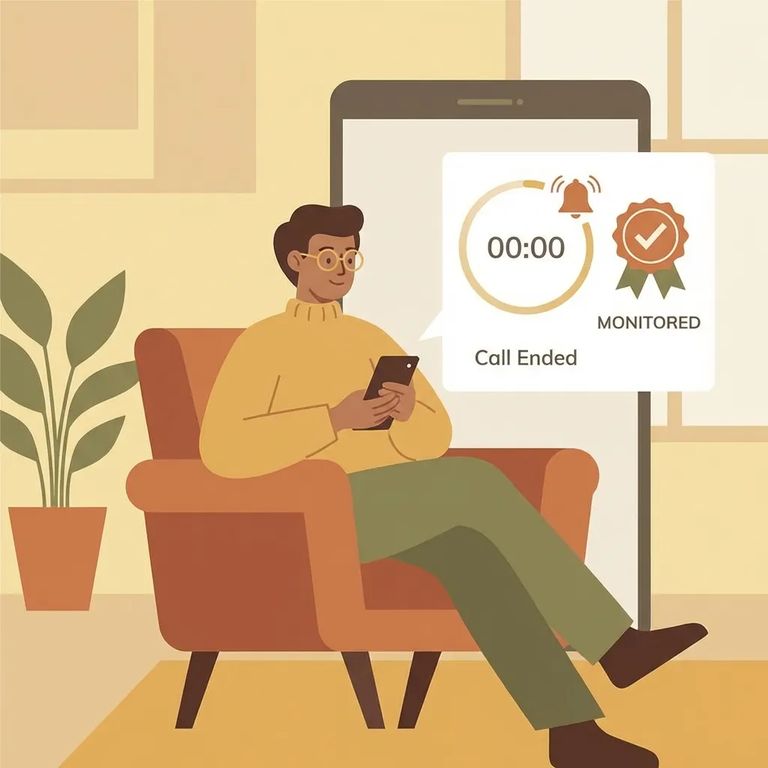
At MCF-Stillwater (and other Minnesota DOC facilities), your loved one has to place the call. You can't dial the facility and get transferred to them, and there's no "calling back" like you would outside. Calls are outgoing only, and they're limited to certain times. So if you miss one, the next opportunity depends entirely on when your loved one can access the phones again.
Tip: If you keep missing each other, use the next call you do get to agree on a rough time to try again. If you’re communicating by electronic message, keep it simple and focused on planning the next call.
Minnesota DOC's policy is simple: calls from an incarcerated person are free. But "free" doesn't mean "no rules." The DOC still enforces safety policies that control phone access - including limits on how often calls can happen and how phone areas are managed.
Good to know: You are not charged for phone calls placed by your loved one from a Minnesota DOC facility.
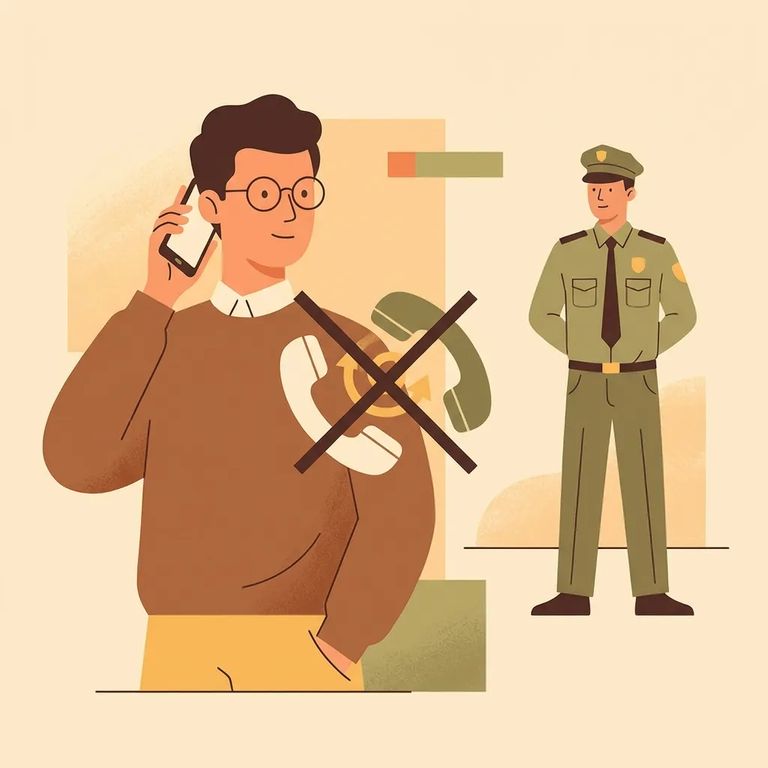
One of the biggest frustrations? The 15-minute wait between calls. Minnesota DOC says this interval exists for safety reasons - specifically to reduce exploitation and threats linked to security threat groups. The goal is fairer phone access, so no one person or group can dominate the phones or pressure others.
- Your loved one places an outgoing call during allowed times - you can’t call in and be connected to them, so the timing always starts on their side.
- When the call ends, a wait period applies before the next call - the DOC uses a 15-minute interval between phone calls as part of managing phone access safely.
- Free doesn’t change the safety rules - calls are still no-cost, but the DOC can add policies like the interval to control access and keep phone areas safer and more orderly.
Planning tip: If a call drops or ends quickly, don’t assume they can immediately dial you back. Build in extra time, and treat “I’ll call you right back” as “I’ll try again when I’m allowed to.”
Phone and video calls are not private. Minnesota DOC monitors and records these conversations, and your loved one is notified in writing. There's also a notice posted by each phone - a reminder that staff may be listening or reviewing recordings.
Electronic messages work the same way. Minnesota DOC monitors all messages, including those sent through JPay. They're screened for words or phrases that could threaten facility security or public safety. Messages that don't meet these guidelines may never be delivered.
- ✓ Don’t treat calls or video chats as private - assume they can be monitored or recorded.
- ✓ Keep electronic messages simple and calm; they’re screened before delivery.
- ✓ Avoid language that sounds like threats, pressure, or coordination that could raise security concerns.
- ✓ Don’t discuss anything that could be interpreted as a plan to break rules or bypass safety procedures.
Find an Inmate at MCF-Stillwater, MN
Search for a loved one and send messages and photos in minutes.