
How Moore County Detention Center Handles Reports of Sexual Abuse — What Families Should Know
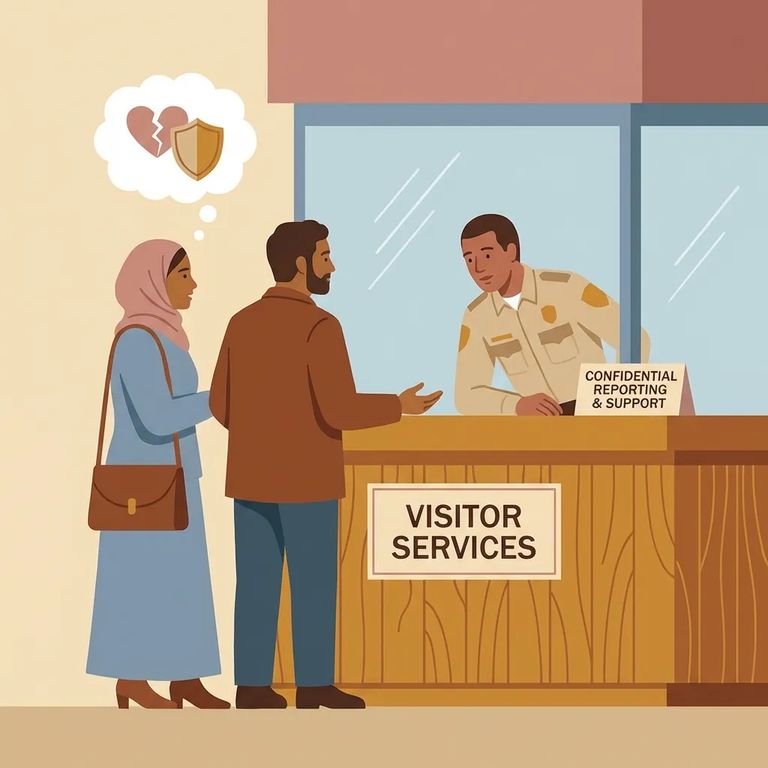
If your loved one reports sexual abuse or harassment at Moore County Detention Center, you probably want to know two things: what the facility says it will do to keep them safe, and what happens next. This guide breaks down the Moore County Sheriff's Office PREA policy - covering zero tolerance, immediate protection, investigations, and retaliation. It's meant to help you understand the stated process and know what questions to ask. This isn't legal advice.
The Moore County Sheriff's Office states it has a zero-tolerance policy for sexual abuse and sexual harassment involving people in custody. What does that mean? The agency says it won't tolerate inmate-on-inmate sexual assault, staff sexual abuse, sexual misconduct, or sexual harassment toward any inmate. This scope matters. It sets the expectation that reports - whether the alleged behavior involves another incarcerated person or staff - are treated as serious safety issues, not just rule violations.
The policy also requires immediate action to protect inmates who are reasonably believed to be at substantial risk of imminent sexual abuse. For families, this is often the part that matters most: the facility's stated responsibility isn't just to investigate what happened - it's to act quickly when there's a credible safety risk right now. What that looks like day-to-day can vary, but the core promise is immediate protection when staff believe an inmate faces imminent danger.
Once a report is made, the Moore County Sheriff's Office says it will thoroughly investigate every allegation of sexual abuse. Allegations aren't supposed to be brushed aside or handled informally - they're treated as incidents requiring a full investigation through the Sheriff's Office.
The policy also addresses consequences. When evidence supports it, the agency can impose sanctions and pursue outcomes up to and including criminal prosecution. The stated end points range from internal discipline to criminal charges, depending on what investigators find.
A common fear after someone reports sexual abuse is retaliation - pressure to recant, threats, or punishment for speaking up. Moore County's policy says retaliatory measures against employees or inmates who report incidents will not be tolerated. It specifically calls out coercion, threats of punishment, and other actions meant to discourage or prevent a report.
Watch for retaliation: The policy says retaliation can lead to disciplinary action and/or criminal prosecution. If your loved one mentions threats, coercion, or pressure to stop reporting, treat that as urgent.

Your role as family is often less about investigating and more about helping your loved one keep reporting and stay safe. Moore County's policy sets a few clear expectations you can lean on: zero tolerance for sexual assault, abuse, misconduct, and harassment; immediate action when someone faces substantial risk of imminent abuse; and protection against retaliation for those who report. The publicly available policy language doesn't spell out a step-by-step process for families - like who to call for updates or how often you'll be notified. Focus your questions on the core commitments: What safety measures are in place? Is this being handled as an allegation that will be thoroughly investigated? Is anyone monitoring for retaliation?
- ✓ Ask what immediate protective actions have been taken if your loved one is believed to be at risk of imminent sexual abuse.
- ✓ Ask whether the allegation is being treated as something the Sheriff’s Office will thoroughly investigate, and what the next checkpoint for an update will be.
- ✓ Keep notes on dates, names, and what you were told, especially if safety concerns continue.
- ✓ Pay attention to signs of retaliation (threats, coercion, pressure to stay quiet) and report those concerns promptly.
- ✓ If you feel your loved one’s safety isn’t being protected, consider speaking with an attorney or a victim-advocacy organization for guidance.

If you're trying to confirm what's happening after a report, the most reliable information will come directly from the detention center and the Sheriff's Office. The policy establishes the commitments - zero tolerance and thorough investigation - but it doesn't provide family hotlines, outside reporting contacts, or a detailed notification schedule. You may need to be persistent, clear, and organized when asking for confirmation that protective steps are in place and that the report is being investigated.
- Ask for confirmation of safety steps - Request confirmation that immediate action has been taken if your loved one is reasonably believed to be at substantial risk of imminent sexual abuse.
- Ask how the allegation is being handled - Confirm the report is being treated as an allegation that will be thoroughly investigated, and ask what the next update point will be.
- Document everything you can - Write down dates, times, names, and summaries of what you were told so you can track changes and follow up accurately.
- Escalate outside the facility if needed - If you still believe your loved one is unsafe or being retaliated against, consider reaching out to legal counsel or an advocacy organization for next-step advice.
Find an Inmate at Moore County Detention, NC
Search for a loved one and send messages and photos in minutes.