
Before your first visit to a Louisiana DOC facility: what to bring and what to leave behind
Your first visit can feel overwhelming, but the rules are actually pretty simple. This guide covers exactly what ID to bring, what you can keep with you, and what to leave at home so you don't get turned away at the door.
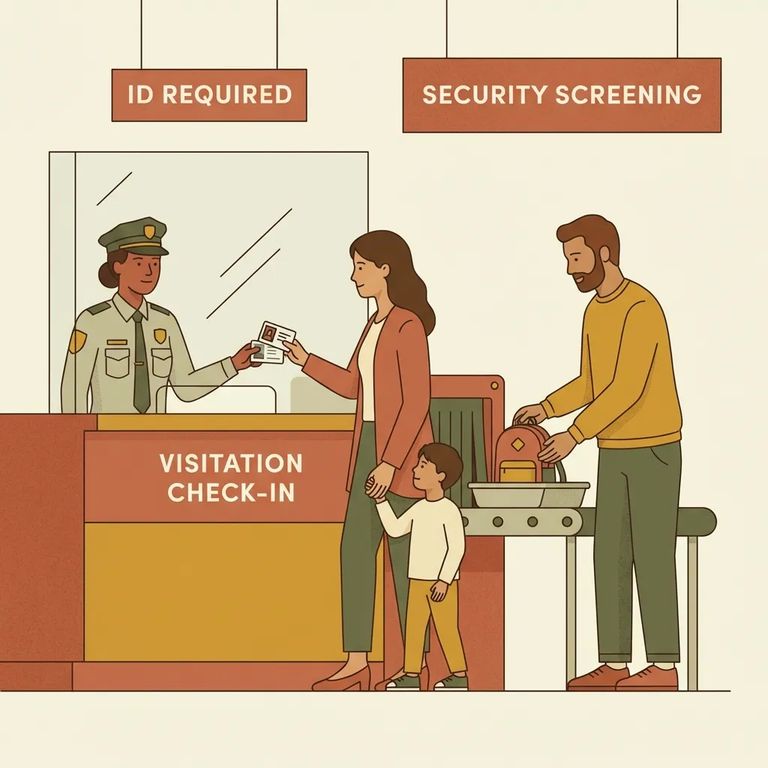
You'll need to register with staff before entering the visiting area. This happens every visit - staff will confirm your identity and log you in before you can go any further.
Note: If you’re bringing anyone under 18, they must stay with a parent or legal guardian at all times while on facility grounds.
Bring photo ID if you're 18 or older - you'll show it every time. Louisiana DOC accepts a valid driver's license from your state of residence, a state photo ID card from your state of residence, an active-duty military photo ID, or a passport.
Prohibited Items
- ✓ Controlled substances
- ✓ Alcoholic beverages
- ✓ Marijuana
- ✓ Tobacco or tobacco-related items
- ✓ Cameras
- ✓ Video recording equipment
- ✓ Audio recording equipment
- ✓ Electronic devices, including (but not limited to) cellular phones, pagers, BlackBerries, radios, and tape recorders
Only life-saving or life-sustaining prescription medication is allowed in the visiting area - things like nitroglycerine pills, inhalers, or oxygen. Bring just what you'll need for the visit, and let staff at the visiting desk know you have it before you go in.
Infant Items
- ✓ Up to four diapers
- ✓ Up to two jars of vacuum-sealed baby food
- ✓ Up to two plastic bottles of milk or juice
- ✓ One change of clothing
- ✓ One baby blanket (maximum width and length not to exceed 48 inches)
- ✓ One clear plastic bag of baby wipes
Clothing and Dress Code
- ✓ Clothing that resembles imprisoned people’s uniforms
- ✓ Clothing that resembles correctional officers’ clothing (for example, camouflage or blue BDU-style clothing)
- ✓ Sheer or transparent clothing
- ✓ Swim suits
- ✓ Strapless, tube, or halter tops
- ✓ Tank tops
- ✓ Tops that expose the midriff
- ✓ Skirts, shorts, skorts, culottes, and dresses shorter than three inches above the kneecap
- ✓ Skirts, shorts, skorts, culottes, and dresses with deep or revealing slits
- ✓ Tight-fitting pants such as stirrup pants, spandex, Lycra, spandex-like athletic pants, aerobic/exercise tights, or leotards
- ✓ Exposed undergarments (undergarments must be worn and cannot be visible)
- ✓ Clothing with revealing holes or tears higher than one inch above the kneecap
- ✓ House slippers
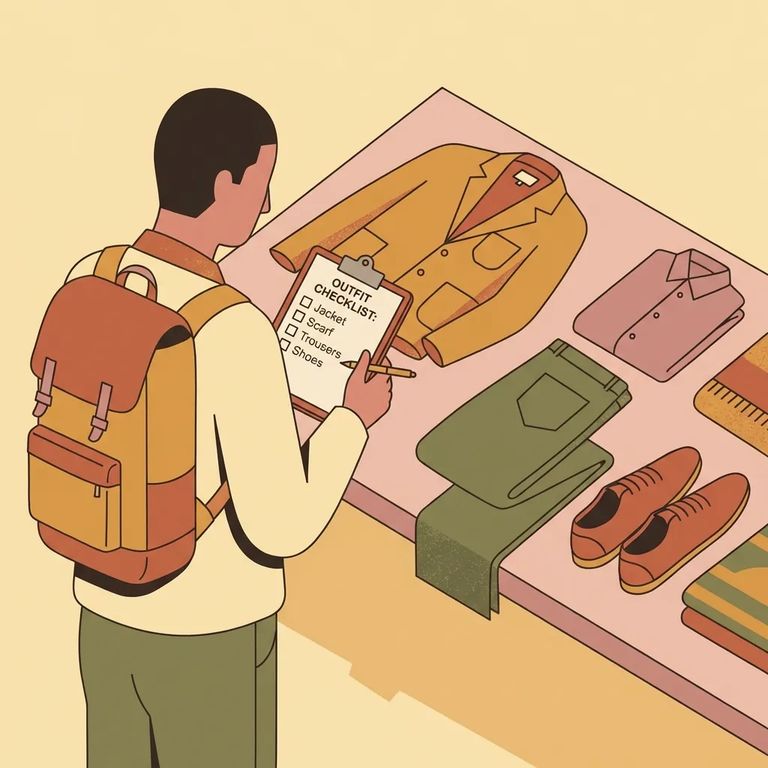
Keep your outfit simple and conservative. Wear a top that covers your midriff completely - nothing sheer, strapless, or tank-style, and skip anything that looks like swimwear. For bottoms, avoid tight athletic or stretch pants. Skirts and shorts need to be no more than three inches above the knee, with no deep slits.
Printable Checklist
- ✓ Bring an accepted photo ID if you’re 18+ (driver’s license, state photo ID, active-duty military ID, or passport)
- ✓ Leave behind controlled substances, alcohol, marijuana, and tobacco/tobacco-related items
- ✓ Leave behind phones, cameras, and any recording or electronic devices
- ✓ If you must carry life-saving/life-sustaining prescribed medication, bring only what you need for the visit and declare it at the visiting desk
- ✓ If you’re bringing an infant, stick to the allowed baby items and quantities (diapers, vacuum-sealed baby food, plastic bottles, one change of clothes, blanket within size limit, wipes)
- ✓ Dress conservatively: no sheer clothing or midriff-baring tops; keep skirts/shorts to an appropriate length
Find an Inmate at Napoleonville Detention Center, LA
Search for a loved one and send messages and photos in minutes.