
Broward County Detention Center, FL
Need to reach someone at Broward County Detention Center? Look up an inmate, send messages or mail, add commissary funds, or schedule a visit.
Explore
Find an Inmate at Broward County Detention Center, FL
Search for a loved one and send messages and photos in minutes.

Guides for This Facility
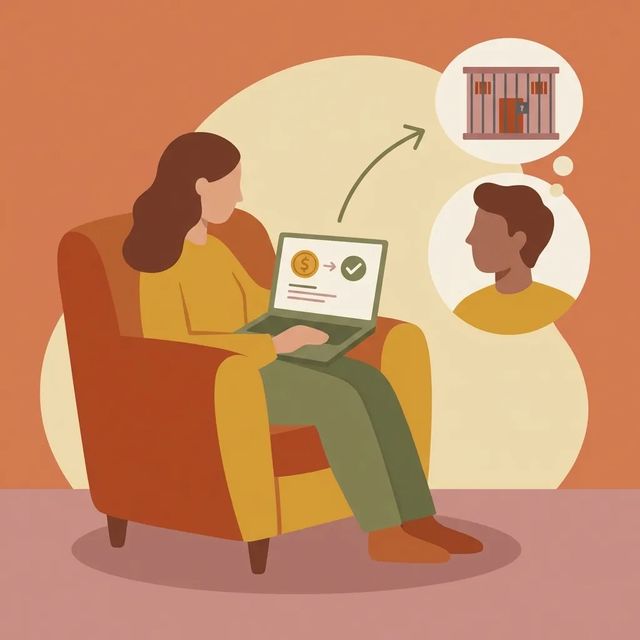
How to Send Money to Broward County Detention Center (FL)
Sending money to someone at a juvenile detention center can be confusing, especially when facility rules limit what a detained youth can possess. Here's what you should know (and verify) before trying to put funds on an account.
Read Guide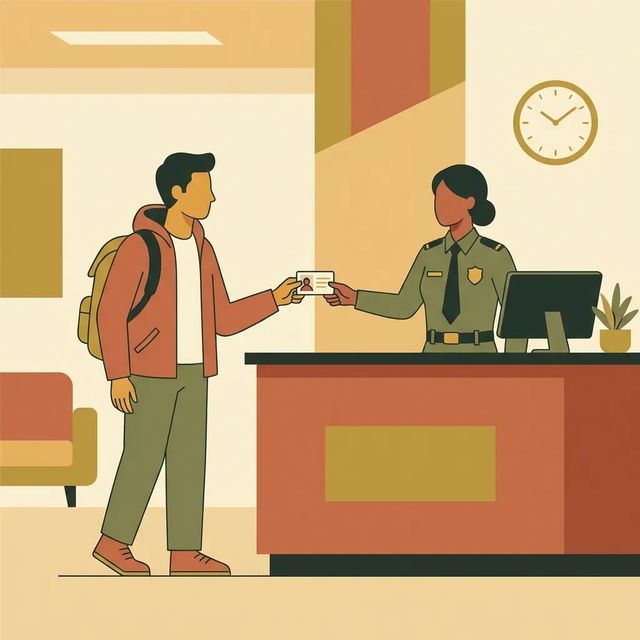
How to Visit Broward County Detention Center (FL)
Visiting someone in detention goes a lot smoother when you know the rules ahead of time. Here are the key requirements so you don't get turned away at the door.
Read Guide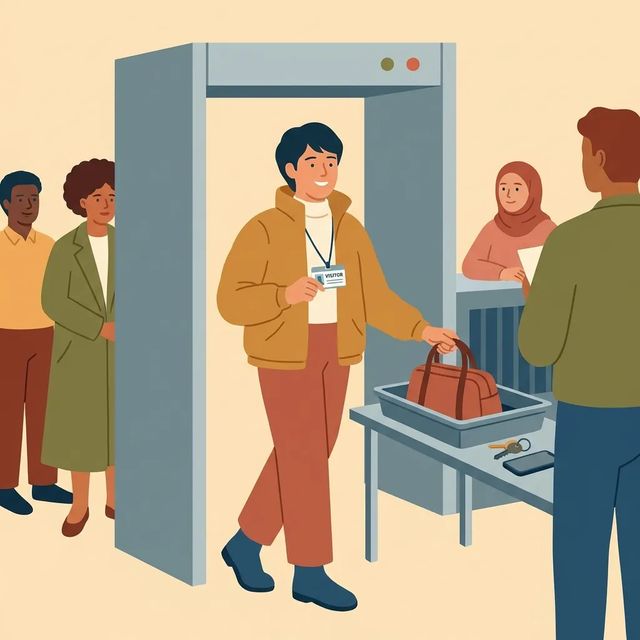
Before You Visit Broward County Detention Center: Sign-in, Prohibited Items, and What Gets You Turned Away
Your visit can go smoothly if you know what staff check for at the door. This guide covers what not to bring, the steps you can't skip, and what gets people turned away before they reach the visitation area.
Read GuideAt a Glance
Visitation
- Parents, grandparents, and legal guardians are approved visitors; other visitors need a court order or Superintendent/designee approval.
- All visitors must sign in and sign out on the youth's Visitor’s Log.
- Visitors can be denied entrance for reasons such as lacking photo ID, refusing a search or officer instructions, appearing intoxicated, attempting to bring contraband, or wearing prohibited items.
Sending Commissary
- Detained youth at Broward County Detention Center are not permitted to have money, and gifts are discouraged; snacks are provided nightly.
- You can typically add money to an inmate’s account via online portals, lobby kiosks, phone deposits, or by mailing a money order or cashier’s check.
- Available deposit methods, vendor rules, and fees vary by facility and vendor—check vendor instructions and the facility page before sending funds.
Based on official sources and community feedback.Learn how we verify
Topic Overviews
Visitation
Visiting a youth at Broward County Detention Center starts with getting approved. Parents, grandparents, and legal guardians are automatically on the approved list. Anyone else needs a court order or approval from the Superintendent or a designee. When you arrive, you'll sign the youth's Visitor's Log at check-in and again at check-out. Staff can deny entry for several reasons: no photo ID, refusing a search or officer instructions, appearing intoxicated, attempting to bring in contraband, or wearing prohibited items. If your visit gets terminated for disruptive or non-compliant behavior, the Superintendent may suspend your future visitation privileges. Before making the trip, complete the visitor-approval process and any required application, wait for confirmation, and verify scheduling or video-visit rules.
Sending Commissary
Detained youth at Broward County Detention Center cannot have money, and gifts are generally discouraged. The facility provides nightly snacks instead. If you're trying to add funds for an adult detainee, common options typically include online payment portals, lobby kiosks, phone deposits, and mailed money orders or cashier's checks. The exact steps vary based on the vendor and facility rules, so check the facility's guidance or vendor instructions before sending money. Pay attention to fees and accepted deposit types. To avoid delays, have the inmate's full name and booking number or ID ready, fill out the deposit form completely, and include clear contact information so a payment can be processed or returned if needed.
Read full guideCommon Questions
Who is allowed to visit a youth at Broward County Detention Center?
Parents, grandparents, and legal guardians are listed as approved visitors. All other visitors must have a court order or be approved by the Superintendent or a designee. Make sure you are on the approved list before you go.
VisitationWhat can get my visit denied or ended at Broward County Detention Center?
Entry can be denied for several reasons: lacking photo ID, refusing a search or officer instructions, appearing intoxicated, attempting to bring in contraband, wearing prohibited items, or being disruptive. A visit can also be terminated for disruptive or non-compliant behavior, and future visitation privileges may be suspended after a termination.
VisitationDo visitors need to sign a log when visiting a youth at Broward County Detention Center?
Yes. All visitors must sign in and sign out on the youth’s Visitor’s Log during check-in and check-out.
VisitationCan detained youth at Broward County Detention Center receive money or gifts?
No. Detained youth at Broward County Detention Center cannot have money, and gifts are discouraged. The facility provides nightly snacks instead.
Sending CommissaryWhat methods can I use to send money to an inmate at Broward County Detention Center?
Common methods include online payment portals, lobby kiosks, phone deposits, or mailing a money order or cashier’s check. Methods and fees vary by facility and vendor, so confirm the current instructions before sending funds.
Sending CommissaryWhat information do I need when sending funds to an inmate?
Have the inmate's full name and booking number or ID ready, and fill out the vendor's deposit form completely. Include legible contact details so the vendor can process the payment or return it if needed.
Sending CommissaryMore Guides
Ready to Connect?
Search for your loved one to start communicating today
Did You Know?
Broward County Detention Center in Florida allows parents, grandparents, and legal guardians to visit. If you're not in one of those categories, you must have a court order or obtain approval from the Superintendent or a designee.
This guide is based on feedback from dozens of families and official facility documentation. Learn how we verify