
What Happens to a Forensic Exam Kit in Florida — Timeline and How to Track It (Guide for Osceola Families)
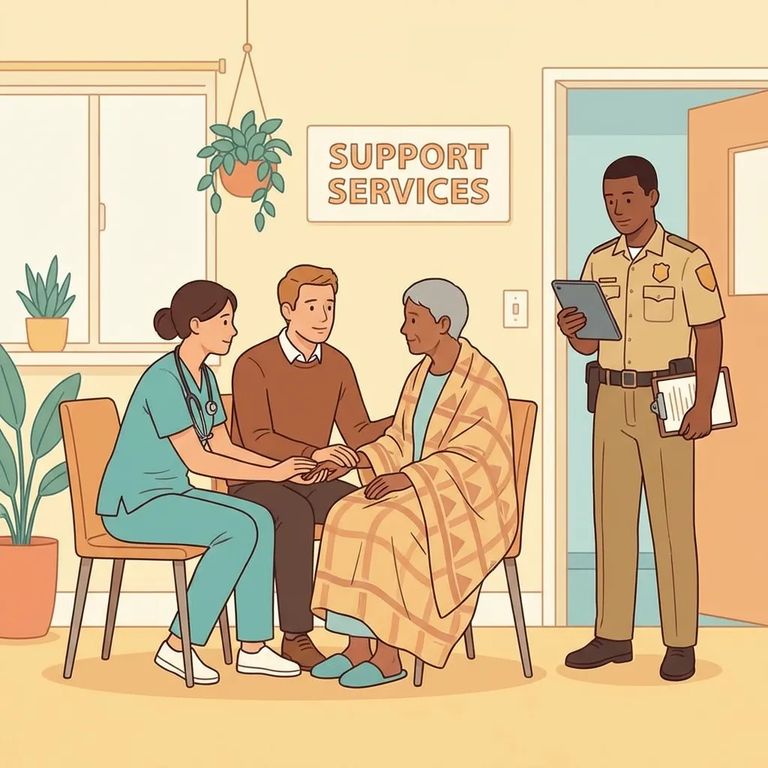
After a medical forensic exam, what happens next hinges on one decision: whether the victim reports to law enforcement at the time of the exam. In Florida, a kit connected to a report follows a defined schedule - it's sent to a regional or statewide lab within 30 days. If the victim doesn't report at that time, the kit can be stored anonymously for up to 50 years instead. Understanding which path applies helps you set realistic expectations and ask the right questions, rather than spending weeks wondering if anything is happening behind the scenes.
If the victim chooses not to report the assault to law enforcement at the time of the exam, the kit isn't sent out for testing right away. Instead, it's stored anonymously for up to 50 years. For some people, that breathing room matters - especially if they're not ready to make a report but want the evidence preserved.
When the victim does report to law enforcement, the timeline becomes more structured. The kit must be sent to a regional or statewide lab within 30 days. That 30-day window is a key checkpoint - it's usually the first timeline families ask about when trying to track where the kit is.
Once the kit reaches the lab, Florida law sets a processing deadline. Under F.S. 943.326, the lab must process reported kits within 120 days. This is separate from the earlier "sent within 30 days" step - it's the lab's own timeframe once they have the kit in hand.
Quick timeline (reported kits): If a report is made to law enforcement, the kit is sent to a regional or statewide lab within 30 days, and the lab is required to process it within 120 days under F.S. 943.326.
You don't have to guess. After the exam, victims receive a card with log-in information for a secure kit-tracking database. If you're supporting someone, encourage them to keep that card somewhere safe. Having it later makes checking the kit's status much easier than making a lot of phone calls.
For more background on how the secure tracking system works, FDLE provides information on its Forensics webpages at fdle.state.fl.us/Forensics. If you're trying to understand what different status updates mean, start there.

Practical Steps
- ✓ Keep the kit-tracking card somewhere safe (take a photo of it if that feels easier, but don’t share it widely).
- ✓ Use the card’s log-in to check the kit’s status in the secure tracking database when you need an update.
- ✓ Ask the medical staff how to contact the tracking system and confirm whether the kit was reported to law enforcement at the time of the exam.
- ✓ Call the Florida Council Against Sexual Violence referral hotline at 1-888-956-7273 to be connected with local services and support.
Note: Hospital and county practices can vary. If you’re in Osceola, verify the exact follow-up steps and who to contact through the provider that performed the exam or through the statewide referral hotline.
This guide covers statewide Florida timelines and the general tracking process, but doesn't name specific Osceola providers or local follow-up contacts. For Osceola-specific questions - like which local services to call or what your next step should be - call the Florida Council Against Sexual Violence referral hotline at 1-888-956-7273 and confirm details with the hospital or clinic that handled the exam.
Find an Inmate at Osceola County Corrections, FL
Search for a loved one and send messages and photos in minutes.