
What Happens During Your Child’s Typical Day at Palm Beach Regional Juvenile Detention Center
If your child is at Palm Beach Regional Juvenile Detention Center, their days follow a set routine: basic care, school, structured activities, and court appearances when scheduled. Understanding this rhythm helps you ask better questions and advocate for what your child needs.
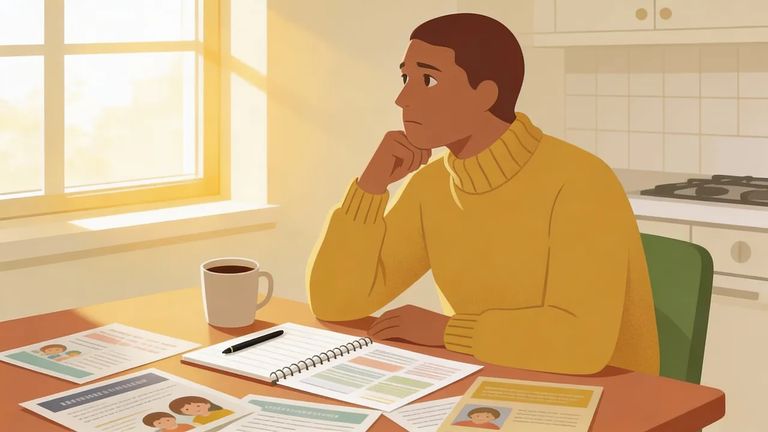
A typical day at Palm Beach Regional Juvenile Detention Center follows a predictable structure. Your child will have time for hygiene, regular meals, school, and supervised physical and educational activities. Court appearances get worked into the schedule when they're on the calendar. The specifics may shift day to day, but those core pieces - care routines, learning time, and structured activities - anchor most days.
Most youth here are waiting for the next step in their case - pending adjudication, disposition, or placement in a commitment facility. This waiting period is usually short. The average stay in secure detention at this facility is about 11 days. For some families, that means this routine applies for only a couple of weeks. Still, understanding it helps you track school, health, and court dates while your child is there.
Education is part of daily life in detention. School is built into the schedule alongside meals, hygiene, and other programming. If you're trying to picture what your child does hour to hour, school time is one of the main anchors.
The facility's educational services are funded by the Florida Department of Education through local school districts. This isn't an informal, optional activity - it's tied into the district system. Keep that in mind when asking about what your child is working on academically.
Medical and mental health services are available, but they're provided through contracted providers rather than directly by the facility. If your child has a current diagnosis, takes medications, needs counseling, or has substance abuse concerns, bring those up with staff as early as possible so care can be coordinated during detention.
Secure detention is often a holding period while the court process moves forward or placement gets decided. That's why court appearances are a normal part of the routine - when court is scheduled, it becomes part of your child's day alongside hygiene, meals, school, and activities. If your child mentions the schedule "changed," court-related movement is usually the reason.

Family Visits
- ✓ Parents, grandparents, and legal guardians are approved visitors.
- ✓ Other visitors may only be allowed if ordered by the court or specifically approved by the Superintendent or designee.
- ✓ To add someone to your child’s visitation list, contact your child’s assigned Juvenile Probation Officer (JPO) for approval.
- ✓ For special visitation arrangements, start with the assigned JPO - those approvals go through the JPO as well.
Who to contact: Questions about your child’s case or charges should go to the assigned Juvenile Probation Officer. Other visitation questions should be directed to the on-duty JJDO Supervisor.
Need to understand what your child is doing day to day? Want to flag a health or school concern? Start with the same contacts used for visitation questions. Education is provided at the facility, and medical and mental health care go through contracted services. The quickest path is usually asking the assigned JPO - or, for general visitation logistics, the on-duty JJDO Supervisor - who can route your question to the right person. Be specific about what you need: current school participation, a learning need you want documented, or a medical concern that should be addressed during detention.
Find an Inmate at Palm Beach County Main Detention, FL
Search for a loved one and send messages and photos in minutes.