
Contact vs. Non‑Contact Visits at PNM: What They Mean and Who Qualifies
PNM offers two types of in-person visits: contact visits with limited physical touch, and non-contact "barrier" visits where no touching is allowed. The catch? Barrier visits are the default. To qualify for contact, you need to be immediate family—and you'll have to prove it.
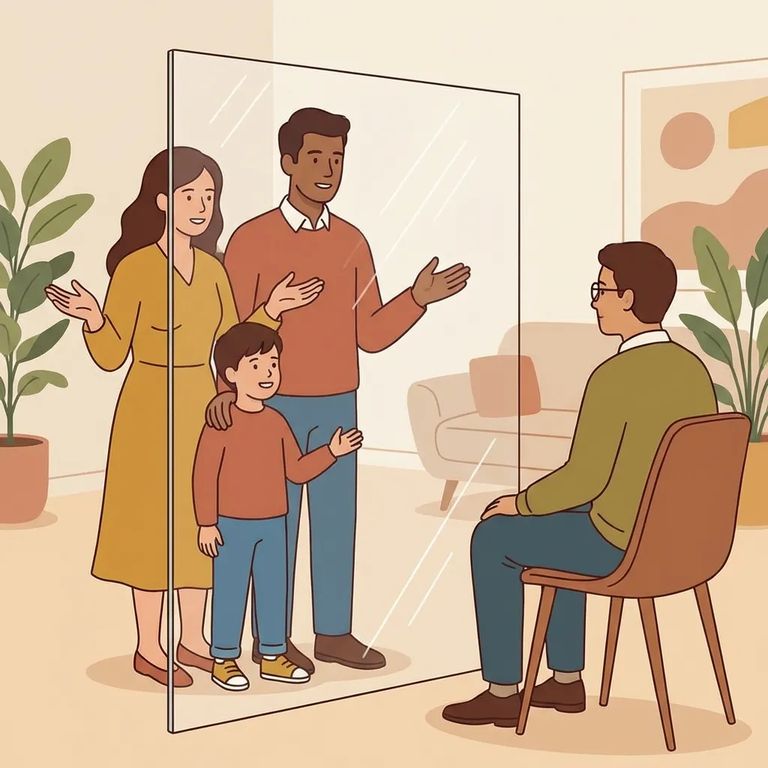
A "contact visit" at PNM allows limited physical contact - but don't expect to hug freely or hold hands throughout. These visits are still controlled and structured. Only specific types of contact are permitted.
- ✓ A brief hug and/or kiss at the beginning of the visit
- ✓ A brief hug and/or kiss at the end of the visit
- ✓ An inmate may hold his or her own children
Non-contact visits are exactly what they sound like: you can see each other, but you can't touch. PNM uses barriers - concrete, glass, Plexiglas, or screens - to keep visitors and incarcerated people physically separated.
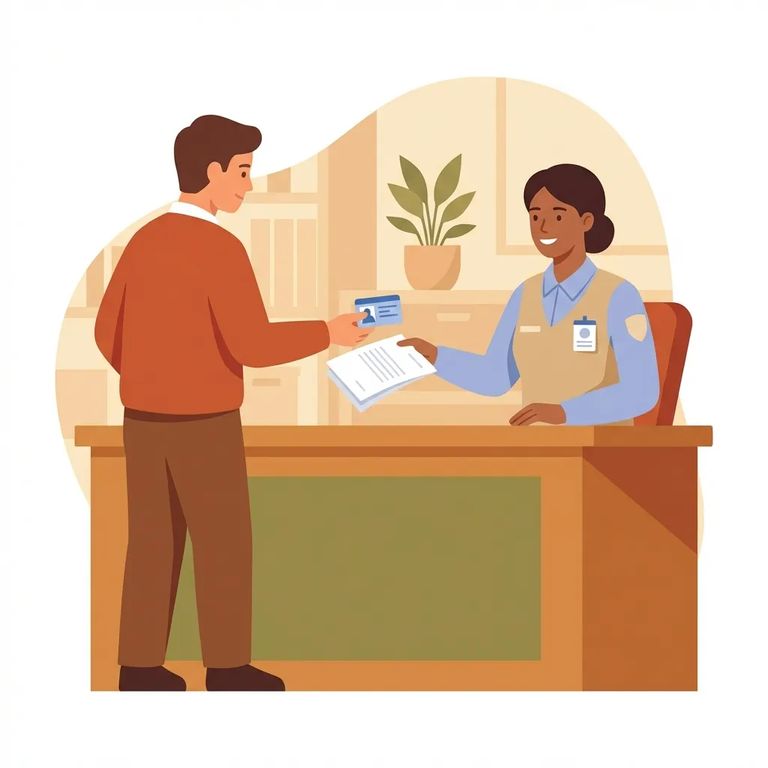
Here's what matters most when planning your visit: all in-person visits at PNM are non-contact by default. The only exception? If you're immediate family and can prove the relationship, your visit may qualify as contact instead.
- ✓ Legal spouse
- ✓ Natural parents
- ✓ Adoptive parents
- ✓ Stepparents
- ✓ Foster parents
- ✓ Grandparents
- ✓ Brothers and sisters
- ✓ Children (natural or adopted)
- ✓ Stepchildren
- ✓ Grandchildren
Note: At PNM, immediate family status isn’t enough by itself - proof of kinship has to be provided for a visit to move from non-contact to contact.
Want a contact visit? Plan around the proof-of-kinship requirement. Barrier visits are standard, and the only way to upgrade is by being immediate family with documentation on file.
- ✓ Bring documents that clearly show the family relationship you’re claiming (and bring copies if you have them)
- ✓ If your relationship is through marriage, bring paperwork that supports that relationship
- ✓ If your relationship is parent/child, bring paperwork that supports that relationship
- ✓ If you’re a step- or adoptive relative, bring paperwork that supports that relationship
- ✓ When in doubt, confirm with PNM what documentation they will accept before you go
- Ask what type of visit you’re approved for - confirm whether your visit is being treated as non-contact by default or whether contact is available based on your status.
- Verify your immediate-family status and proof of kinship - if you’re immediate family, make sure the relationship has been recognized with proof of kinship as required.
- Use the formal process if you need an exception - if your situation fits a “special visit” category, request it using the facility’s Special Visit Request process and follow the approval chain.
Need something different than what you're being offered? Know the paperwork. Visitor registration goes through the Visitor Application for Visiting Privileges (CD-100201.1). For special circumstances - visitors traveling over 500 miles, prospective employers, or law enforcement - you'll need the Special Visit Request form (CD-100201.3). These require approval from the Unit Manager, Programs Director, or Classification Supervisor, with final sign-off from the Deputy Warden.
Find an Inmate at Penitentiary of New Mexico (PNM)
Search for a loved one and send messages and photos in minutes.